Error Codes



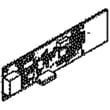
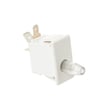
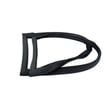
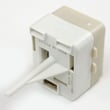

How to find GE appliance parts?
To find the right replacement parts for your GE GFE28GYNJFS bottom-mount refrigerator, match parts by the model number first, then narrow by the exact system you are repairing (ice maker, water dispenser, door gasket, evaporator fan, or control). This prevents ordering look-alike parts that do not fit.
- Locate the model number tag inside the fresh food compartment (commonly on a side wall or ceiling area).
- Confirm the model number is GFE28GYNJFS (letters and numbers must match exactly).
- Identify the symptom and the system involved (cooling, water, ice, doors, lights).
- Use the model-based parts list to filter by part category (for example: water filter, dispenser, ice maker, fan motor).
- Compare photos, descriptions, and any notes for color, revision, or left/right orientation.
- If multiple similar parts appear, cross-check by the component location on your refrigerator before ordering.
| What is not working? | Most common part categories to check | Quick clue |
|---|---|---|
| No ice or slow ice | Ice maker, water inlet valve, fill tube/heater | Ice maker mold stays dry |
| No water from dispenser | Water filter, inlet valve, dispenser switch | Hums but no flow |
| Warm fridge or freezer | Evaporator fan motor, thermistor, control board | Fan noise changes or stops |
| Door not sealing | Door gasket, hinge, mullion/flipper | Moisture or frost near door |
Refrigerator parts are highly model-specific. Using GE GFE28GYNJFS as your starting point helps ensure the correct fit, proper electrical connectors, and correct mounting style for components like the dispenser and French door mullion.
If your goal is to identify the failing system before ordering parts, we use these guides often:
Last updated: February 2026
How to remove bottom grille on GE refrigerator?
On the GE GFE28GYNJFS bottom-mount refrigerator, the bottom grille (toe grille) typically comes off by releasing its retaining clips or removing a couple of screws (model variations exist). Once it is free, pull the grille straight out and lift it away from the cabinet.
- Unplug the refrigerator or switch off power at the breaker (safer around wiring and fans).
- Open both fresh food doors for better access.
- Look along the top edge of the bottom grille for retaining clips; pull the grille forward near each clip to release.
- If you see Phillips-head screws at the ends or along the bottom edge, remove them first.
- Pull the grille straight toward you; if it hangs up, re-check for a hidden screw or an un-released clip.
- Set the grille aside flat to avoid cracking the plastic.
| What’s holding it on | What to do | Common mistake |
|---|---|---|
| Spring clips/tabs | Pull forward near each clip, then lift off | Pulling from one corner and snapping a tab |
| Phillips screws | Remove screws, then pull grille forward | Missing a screw at one end |
| Side hooks | Pull forward, then slide slightly to unhook | Forcing it straight up |
- Line up the grille with the lower front opening.
- Engage any side hooks first (if present), then press along the top edge until clips snap in.
- Reinstall screws snug (do not overtighten).
We remove the bottom grille to access the condenser area for cleaning, checking airflow, and inspecting for water leaks or unusual noises. Keeping that area clear helps cooling performance and can reduce compressor run time.
For related GE steps that often come up during front-panel work, use how to disassemble the ice and water dispenser on a GE refrigerator.
Last updated: February 2026
Is it worth repairing a GE refrigerator?
Yes, repairing a GE refrigerator like model GFE28GYNJFS is worth it when the unit is under about 10 years old and the fix is a common, non-sealed-system problem (cooling fan, door seal, ice maker, dispenser); replacement makes more sense for sealed-system or compressor problems and repeated breakdowns.
- Repair if the refrigerator cools inconsistently due to airflow issues (evaporator fan, frost buildup, blocked vents).
- Repair if the problem is convenience-related (door alarm, dispenser, ice maker) and the cabinet is in good shape.
- Repair if the estimated repair is less than about 50% of the cost of a comparable new refrigerator.
- Replace if you have a sealed-system/compressor diagnosis, especially with poor cooling in both sections.
- Replace if you have multiple failures in a short time (for example, cooling plus water/ice plus control issues).
- Replace if the doors, liner, or insulation are damaged (these are not cost-effective repairs).
These issues are typically straightforward and often cost-effective compared to replacement:
| Symptom | Common cause | Typical next step |
|---|---|---|
| Warm fridge, freezer still cold | Airflow problem (fan/ice blockage) | Check fan noise, clear vents, inspect for frost |
| Door won’t seal, moisture or frost | Worn or dirty gasket, door alignment | Clean gasket, warm and reshape, align doors |
| Water/ice tastes bad or slow flow | Clogged water filter, air in line | Replace filter, purge air, verify supply pressure |
| Door alarm keeps sounding | Door not closing fully, settings | Reset alarm, check bins and gasket contact |
Related help: how to reset the door alarm on a GE refrigerator, how to replace the water filter in a GE refrigerator.
- Compressor not starting or locked up
- Sealed-system leak or restriction
- Repeated cooling failures after prior repairs
Sealed-system work is labor-intensive and expensive; even when it restores cooling, it rarely improves overall reliability the way a new refrigerator does. For everyday failures (fans, gaskets, filter, dispenser issues), repair usually restores performance at a much lower total cost.
Last updated: February 2026
What are the features of the GFE28GYNJFS refrigerator?
The GE GFE28GYNJFS is a 36-inch French door, bottom-freezer refrigerator designed for large-capacity food storage and everyday convenience. Key highlights typically include about 27.7 cu. ft. of total capacity, TwinChill evaporators, quick cooling modes, and an external ice and water dispenser.
- French door, bottom-mount layout for wide fresh-food access
- Approximately 27.7 cu. ft. total capacity (large-family size)
- TwinChill cooling system (separate fresh food and freezer evaporators)
- Turbo Cool and Turbo Freeze style quick-temp recovery modes
- External ice maker plus ice and water dispenser
- Advanced water filtration for the dispenser and ice system
- LED interior lighting (often described as “showcase” style)
| Feature | What it helps with | When you notice it most |
|---|---|---|
| TwinChill | More stable temps and humidity control | Produce staying fresher, fewer odor transfers |
| Turbo Cool/Freeze | Faster recovery after door openings | Grocery loading, parties, frequent use |
| Ice and water dispenser | Convenience and filtered water access | Daily hydration and entertaining |
| LED lighting | Better visibility with less heat | Night use, full shelves |
GE sometimes ships feature variations by production run and configuration (finish, dispenser style, and internal options). To match features to your exact refrigerator:
- Check the model tag inside the fresh-food compartment for GFE28GYNJFS
- Compare your control panel options (Turbo Cool, Turbo Freeze, alarm, etc.)
- Note whether you have an air filter housing and a water filter location
- If you see a code or unusual behavior, use GE refrigerator error codes
Knowing the exact features helps you troubleshoot faster (cooling performance, dispenser issues, alarms) and choose the right maintenance steps for filtration, odor control, and ice maker performance.
Related help: how to replace the water filter in a GE refrigerator
Last updated: February 2026
What is the most common problem with a GE refrigerator?
The most common GE refrigerator problem (including the GE GFE28GYNJFS) is a cooling complaint: the fresh food section gets warm, temperatures swing, or the unit runs constantly. The most frequent causes are dirty condenser coils, airflow problems, or a fan/defrost issue; ice maker and water dispensing problems are also very common.
- Confirm the refrigerator is set to normal temps (most households use about 37°F fresh food and 0°F freezer).
- Make sure vents inside the compartments are not blocked by food packages.
- Clean the condenser area (dust buildup is a top cause of weak cooling and long run times).
- Listen for the evaporator fan (freezer) and condenser fan (near compressor) running.
- Check door gaskets for gaps, tears, or areas that do not seal.
- If the issue is ice or water, replace the water filter on schedule and purge air after filter changes.
| Symptom | Most common causes | What to do next |
|---|---|---|
| Fresh food warm, freezer OK | Restricted airflow, evaporator fan issue, iced-over evaporator | Clear vents; check fan noise; look for frost buildup |
| Both sections warm | Dirty condenser coils, condenser fan issue, compressor/start device problem | Clean coils; verify fan runs; check for error codes |
| Runs all the time | Dirty coils, door not sealing, warm room, frequent door openings | Clean coils; inspect gasket; reduce door-open time |
| Ice maker slow or not making ice | Clogged filter, low water pressure, frozen fill tube, inlet valve issue | Replace filter; verify supply; inspect fill tube |
Cooling and airflow problems can spoil food quickly and force the compressor to run longer than normal, which increases energy use. Catching a dirty-coil or airflow issue early often prevents bigger repairs.
- Use our GE refrigerator error codes guide if your display shows a code or the unit is beeping.
- If the problem is ice or water quality/flow, follow how to replace the water filter in a GE refrigerator.
Last updated: February 2026
What water filter does a GE model GFE28GYNJFS use?
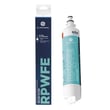
GE refrigerator model GFE28GYNJFS uses the GE RPWFE style refrigerator water filter (the same filter type commonly listed as “RPWFE compatible”). Replacing it on schedule helps protect water taste, ice quality, and dispenser flow.
Use these quick checks before you buy:
- Match the filter type to RPWFE (not a generic “universal” filter)
- Check the old filter label for RPWFE or “RPWFE compatible” wording
- Confirm the filter location inside the fresh food compartment (typical for this GE French door style)
- If your dispenser flow is slow, replace the filter first before troubleshooting valves or lines
- After installing, flush water to clear carbon fines and trapped air
Most GE French door refrigerators that use RPWFE follow a similar process:
- Remove the old filter (twist or pull, depending on the housing).
- Install the new RPWFE style filter until fully seated.
- Dispense and discard several minutes of water to flush the system.
For a step-by-step walkthrough and filter type guidance, use how to replace the water filter in a GE refrigerator.
A clogged refrigerator water filter is the most common cause of:
- Slow water dispenser flow
- Small or hollow ice cubes
- Cloudy water right after dispensing
- Off taste or odor in water and ice
| Symptom | Most likely filter-related cause | What we recommend |
|---|---|---|
| Water dispenses slowly | Filter media is restricted | Replace RPWFE style filter, then flush |
| Ice maker slows down | Reduced water supply through filter | Replace filter, verify household water pressure |
| Water tastes off | Filter is overdue | Replace filter and flush several minutes |
Last updated: February 2026