Owner’s manual
 Error Codes


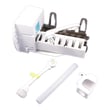
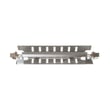
Why is my GE side by side freezer freezing up?
Freezer frost buildup on your GE DSHS9NGYACSS side-by-side refrigerator almost always happens when warm, moist air keeps getting into the freezer or when airflow is restricted. Start by checking for a door that is not sealing or closing fully, then confirm vents are not blocked and temperatures are set correctly per the owner's manual.
Most common causes (and what to check first)
- Door left slightly open: Look for packages or bins preventing a full close.
- Worn or warped door gasket: Inspect for gaps, tears, or areas that do not grip the cabinet.
- Frequent or long door openings: Adds humidity that turns into frost.
- Blocked airflow: Do not pack food tightly against rear-wall vents and louvers.
- Temperature set too cold: Overcooling can increase frost and ice buildup.
Quick troubleshooting steps
- Do the paper test: Close the door on a sheet of paper and pull. If it slides out easily at any spot, the seal is leaking.
- Check door alignment: Make sure the door sits square and closes on its own from a few inches open.
- Clear the vents: Keep items from covering the freezer rear-wall air tunnel and refrigerator air tower louvers.
- Reset loading habits: Leave space around vents for circulation.
- Defrost and observe: After manually defrosting, watch how quickly frost returns; fast return usually points to an air leak.
Parts that commonly solve freezer frost issues
If your checks point to a sealing problem, replacing the gasket is a common fix.
| Symptom you notice | Most likely area | What to do |
|---|---|---|
| Frost mainly near the door edge | Door not sealing | Inspect gasket, clean sealing surfaces, replace if damaged |
| Frost all over, especially after heavy use | Humidity from openings | Reduce door-open time, confirm door closes fully |
| Frost plus uneven temps | Airflow restricted | Clear vents, avoid blocking louvers |
A model-matched option to consider is the refrigerator door gasket (white) WR24X10155.
Why it matters
Heavy frost forces the evaporator fan to work harder, reduces airflow, and can make the freezer temperature swing. Fixing the air leak or airflow restriction restores stable cooling and helps prevent repeat freeze-ups.
Last updated: February 2026
What is the most common problem with a GE refrigerator?
Inadequate cooling is the most common GE refrigerator complaint, and on the GE DSHS9NGYACSS it is often tied to restricted airflow, dirty heat-exchange surfaces, or a fan/defrost issue that prevents steady temperatures. Start by confirming the controls are set correctly and that air vents are not blocked (see the owner's manual).
Quick checks that fix many cooling complaints
- Make sure neither temperature control is set to OFF.
- Give the refrigerator 24 hours to stabilize after plugging in or changing settings.
- Keep food packages from blocking the rear-wall airflow tower and freezer air tunnel louvers.
- Clean dust from the condenser area (unplug first).
- Listen for the evaporator fan; a failed fan can cause warm fridge temps and uneven cooling.
Parts that commonly relate to cooling symptoms
If basic airflow and cleaning do not help, these model-matched parts are often involved in cooling or temperature-control problems:
| Symptom | Common system involved | Example model-matched part |
|---|---|---|
| Fridge too warm, temps swing | Temperature sensing/control | GE profile refrigerator temperature sensor WR55X10025 |
| Frost buildup, warm fridge | Defrost system | Refrigerator defrost heater WR51X10055 |
| Warm temps, weak airflow | Evaporator fan system | Refrigerator evaporator motor WR60X10307 |
Why it matters
When cooling is weak, the compressor and fans tend to run longer, food quality drops faster, and temperatures can vary from shelf to shelf. Keeping airflow paths clear is especially important on this model because the Performance Air-Flow System relies on unobstructed louvers to maintain stable compartment temperatures.
When to use special features
If you just loaded groceries or the refrigerator was without power, using TurboCool can help the refrigerator compartment pull down temperature faster (details and control layouts are in the owner's manual).
Last updated: February 2026
How to defrost GE DSHS9NGYACSS side by side?
Your GE DSHS9NGYACSS side-by-side refrigerator defrosts automatically; when it’s in a defrost cycle, cooling pauses and it typically resumes in about 30 minutes. If you’re trying to clear heavy frost or an ice blockage, a safe manual defrost is simply powering the unit off and letting the ice melt.
Safe manual defrost steps (recommended)
- Move perishable food to a cooler with ice.
- Turn the temperature controls to OFF (or unplug the refrigerator).
- Leave the freezer door open to speed melting.
- Place towels at the base to catch meltwater.
- Let frost melt naturally; do not chip ice with sharp tools.
- Restore power and allow up to 24 hours for temperatures to fully stabilize.
For control locations and care-and-cleaning guidance specific to this model, use the owner's manual.
What “defrost mode” looks like on this model
During normal operation, you may notice signs that look unusual but are normal during defrost:
| What you notice | What it usually means | What to do |
|---|---|---|
| Refrigerator not cooling briefly | Unit is in defrost cycle | Wait about 30 minutes |
| Orange glow in the freezer | Defrost heater is on | No action needed |
| Temps drift slightly after restart | System stabilizing | Allow up to 24 hours |
If frost keeps coming back (what to check)
Recurring frost buildup usually points to an airflow or defrost-system issue. Check these common causes first:
- Door not sealing well or door left ajar (warm, moist air causes frost).
- Frequent door openings or overpacked freezer blocking vents.
- Dirty condenser area reducing overall cooling efficiency.
- Defrost system component problem (heater, thermostat, sensor, control).
Model-matched parts that are commonly involved include the refrigerator defrost heater WR51X10055, refrigerator defrost bi-metal thermostat WR50X10065, and GE profile refrigerator temperature sensor WR55X10025.
Why it matters
Excess frost restricts airflow across the evaporator, which can cause warm temperatures, longer run times, and ice maker or dispenser issues. A proper defrost restores airflow and helps the refrigerator hold steady set temperatures.
Last updated: February 2026
Are GE side by side refrigerators good?
Yes. GE side-by-side refrigerators like model DSHS9NGYACSS are a solid choice for everyday reliability and convenience; they typically offer easy organization with adjustable shelving plus popular features like an ice maker and water dispenser. Use the owner's manual to get the most from the controls and features on your exact model.
What “good” usually means for a side-by-side
A good side-by-side refrigerator keeps steady temperatures, seals tightly, and circulates air well so both compartments cool evenly.
Common strengths many owners value:
- Easy access to both fresh food and freezer sections at eye level
- Adjustable shelves and bins for flexible storage
- Built-in ice and water dispenser convenience
- Bright interior lighting (many GE models use LED lighting)
What to watch for (and what to check first)
If performance feels “not so good,” these are the most common, fixable causes:
- Warm temps or uneven cooling: confirm temperature settings, avoid blocking vents, and listen for the evaporator fan
- Noisy operation: check for items vibrating on shelves, ice maker cycling, or a fan blade rubbing ice
- Slow water dispensing or odd taste: replace the water filter and flush the system
- Frost buildup or warming freezer: inspect the defrost system components
Helpful parts that affect performance on DSHS9NGYACSS
If you are troubleshooting, these model-matched parts are commonly involved:
| Symptom | Common part to check | Example part for this model |
|---|---|---|
| Warm or inconsistent temps | Temperature sensor | GE profile refrigerator temperature sensor WR55X10025 |
| Frost buildup, poor cooling | Defrost heater or defrost thermostat | Refrigerator defrost heater WR51X10055, refrigerator defrost bi-metal thermostat WR50X10065 |
| Weak water flow, no ice | Water filter or inlet valve | GE refrigerator water filter MWFP, refrigerator water valve WR57X33326 |
| Warm fridge, fan noise | Evaporator fan motor or blade | Refrigerator evaporator motor WR60X10307, refrigerator evaporator fan blade WR60X30922 |
Why it matters
A side-by-side can seem “bad” when a single airflow, defrost, or water-supply part is failing. Addressing those early helps protect food temperatures, reduces frost issues, and keeps the dispenser and ice maker working normally.
For feature-specific tips (like dispenser and ice maker upkeep), we recommend how to prevent water dispenser and ice maker problems.
Last updated: February 2026