Owner’s manual
 Error Codes




Are bottom mount fridges better?
For many households, yes: a bottom-mount refrigerator like the KitchenAid KFIS20XVMS00 is “better” because the fresh-food section sits at eye level, so you bend less and find everyday items faster. The tradeoff is you’ll bend more often to reach frozen foods.
When a bottom-mount fridge is the best choice
Bottom-mount designs work especially well when you use the refrigerator compartment more than the freezer.
- You want fresh food at a comfortable height (less bending)
- You prefer wider refrigerator shelves for meal prep and leftovers
- You open the fridge many times per day (snacks, drinks, produce)
- You want a freezer drawer that can hold bulky items (pizza boxes, bags)
- You like a cleaner look with the freezer hidden below
When another style may be better
A bottom-mount is not the best fit for every kitchen or household.
- You use the freezer more than the fridge (you’ll bend more)
- You want the lowest possible purchase price (top-freezer models often cost less)
- You have limited floor space for a freezer drawer to pull out fully
- You want the simplest layout with fewer door seals and moving parts
Quick comparison
| Layout | Best for | Main downside |
|---|---|---|
| Bottom-mount (freezer on bottom) | Fresh-food access and daily convenience | More bending for frozen items |
| Top-freezer | Budget and frequent freezer use | More bending for fresh food |
| Side-by-side | Narrow door swing, equal access | Narrower shelves for wide platters |
Why it matters for performance and upkeep
No refrigerator style is automatically “colder” or “more reliable”; what matters most is good airflow, stable temperatures, and proper installation clearances. For example, our KFIS20XVMS00 manual calls for about 1/2 inch of space at the top and behind the refrigerator for ventilation, plus extra room if you have an ice maker water line. Check your owner's manual for the exact guidance for your kitchen setup.
Last updated: February 2026
What is the most common problem with KitchenAid refrigerators?
The most common KitchenAid refrigerator problems are ice maker and water dispensing issues, temperature swings (not cooling enough or freezing food), and water leaks. On the KitchenAid KFIS20XVMS00, these symptoms often trace back to airflow problems, a clogged drain, or water filtration and supply issues; our owner's manual troubleshooting section helps narrow it down.
Most common symptoms we see
- Ice maker not making ice, slow ice production, or clumped ice
- Water dispenser flow is weak, sputters, or stops
- Fresh food section warm while freezer seems OK (or the reverse)
- Frost buildup on the back wall or in the freezer
- Water pooling under crisper drawers or on the floor
- Unusual fan noise or humming that changes when doors open
Quick checks that solve many “common problems”
- Confirm temperatures: set refrigerator near 37°F and freezer near 0°F; allow 24 hours to stabilize.
- Check airflow: do not block vents with food packages; make sure drawers and shelves are seated correctly.
- Replace the water filter on schedule: a restricted filter can reduce water flow and affect ice production; use the refrigerator water filter EDR4RXD1.
- Clean condenser area: dust buildup makes the compressor run longer and can cause warm temps.
- Look for a defrost drain issue: puddles and recurring frost often point to a drain that needs clearing.
Common causes and what they usually affect
| Likely cause | What you notice | What to do first |
|---|---|---|
| Restricted water filter | Weak dispenser flow, small/slow ice | Replace filter; flush several gallons |
| Airflow or evaporator fan issue | Warm fridge, uneven temps, fan noise | Check vents; inspect fan area for ice |
| Dirty condenser coil | Long run times, warm temps | Clean coil and fan area |
| Clogged/iced drain | Water under drawers, ice on freezer floor | Clear drain and melt ice safely |
Why it matters
Ice maker, leak, and temperature complaints are often connected. A small restriction (like a clogged filter) or poor airflow can force longer run times, create frost, and eventually lead to leaks or inconsistent cooling.
Helpful DIY guidance
- For filter-related ice and water issues, follow how to replace the water filter in a KitchenAid refrigerator.
Last updated: February 2026
What's the life expectancy of a KitchenAid refrigerator?
KitchenAid refrigerators typically last 12 to 15 years in normal home use, and many run 10 to 17 years with good care. For your KitchenAid KFIS20XVMS00 bottom-mount refrigerator, regular maintenance and prompt repair of cooling or sealing issues has the biggest impact on real-world lifespan; see the owner's manual for model-specific care and operating guidance.
What most often shortens refrigerator life
These issues make the compressor and sealed system work harder, which accelerates wear:
- Dirty condenser coil or restricted airflow around the cabinet
- Door gaskets not sealing (warm air leaks, excess run time)
- Evaporator fan problems (poor airflow, warm sections)
- Ice maker or water system leaks that cause corrosion or icing
- Overpacked shelves blocking vents and circulation
Maintenance that helps you reach the high end of the range
We recommend these habits for KFIS20XVMS00 and similar KitchenAid bottom-mount models:
- Keep condenser area clean and maintain a few inches of clearance for airflow
- Confirm doors close fully and the gasket seals all the way around
- Replace the water filter on schedule to protect water flow and taste
- Keep freezer and fresh food vents clear of food packages
- Address unusual noises, warming, or heavy frost early
Parts that commonly affect longevity (and what they do)
If performance drops, these are common “life expectancy” parts because they influence cooling load and efficiency:
| Symptom | Likely system involved | Example part on this model page |
|---|---|---|
| Warm fridge/freezer, long run times | Sealed system | Refrigerator compressor W10160407 |
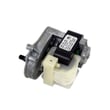
| Poor cooling airflow, noise from freezer | Evaporator fan area | Evaporator motor W10850438 |
| Water tastes/flows poorly | Filtration | Refrigerator water filter EDR4RXD1 |
| Moisture, frost, or warm spots near doors | Door sealing | Refrigerator gasket panel (gray) W10830055 |
Why it matters
A refrigerator that runs longer to hold temperature uses more energy and puts extra stress on the sealed refrigeration system (compressor, evaporator, condenser, dryer). Keeping airflow and door sealing in good shape is the simplest way to extend service life.
Last updated: February 2026
What are the disadvantages of a bottom freezer refrigerator?
Bottom-freezer refrigerators like the KitchenAid KFIS20XVMS00 keep fresh food at eye level, but the tradeoffs are more bending for frozen items, heavier freezer drawers that can wear glides and seals faster, and sometimes higher purchase and repair costs compared with simpler top-freezer designs.
Common downsides you may notice
- More bending for frozen food: You access the freezer from a lower drawer, so frequent freezer use can be less comfortable.
- Heavier drawer loads: A fully stocked freezer drawer puts more stress on drawer glides, rails, and door alignment over time.
- Potential for seal and frost issues: Drawer-style freezers rely on a strong gasket seal; if the drawer is slightly out of level, warm air leaks in and frost can build.
- Less “grab-and-go” organization: Deep drawers can bury items, so it takes more effort to keep food sorted.
- Often higher repair complexity: Many bottom-mount designs use multiple fans, sensors, and air channels; troubleshooting can take longer.
What to check on your KFIS20XVMS00 if the freezer feels “annoying”
Use these quick checks before assuming a part has failed:
- Make sure the refrigerator is tilted slightly to the rear so doors and drawers close easily (leveling guidance is in the owner's manual).
- Confirm there is proper ventilation clearance (the manual calls out about 1/2 inch at the top and behind).
- Listen for normal operating sounds (buzzing, pulsating, gurgling) that are common with modern high-efficiency compressors and fans.
- If the drawer does not seal evenly, inspect the gasket for gaps, folds, or hardened sections.
Parts that commonly relate to bottom-freezer “pain points”
If you’re seeing air leaks, frost, or poor closing, these model-matched parts are often involved:
| Symptom | What it often points to | Example part on this model page |
|---|---|---|
| Frost near the drawer edge | Freezer door gasket not sealing | Refrigerator gasket panel WPW10714545 |
| Door or drawer not closing smoothly | Unit not level, hinge/closure wear | Refrigerator closure WP12028505AP |
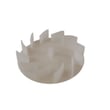
| Warm temps, odd airflow noises | Fan airflow issue | Refrigerator evaporator fan blade WP67006337 |
Why it matters
A bottom-mount freezer depends on good alignment and a tight seal. When the drawer is heavy or slightly out of level, it can leak air, run longer, and create frost, which reduces efficiency and food quality.
Last updated: February 2026