


What are the dimensions of a GE dryer?
Most full-size GE dryers are about 27 inches wide, 38 to 39 inches tall, and 30 to 32 inches deep (depth can increase a few inches with the door and vent connection). For the GE DX4500GA2WW gas dryer, use these as planning dimensions and confirm your exact fit by measuring the cabinet.
These ranges cover most standard, full-size GE front-load dryers.
- Width: 27 inches (most common)
- Height: 38 to 39 inches
- Depth (cabinet): 30 to 32 inches
- Depth (with door open): often 50 inches or more
- Clearance behind dryer: plan 4 to 6 inches for venting and gas hookup
| Measurement | Typical range | What can change it |
|---|---|---|
| Width | ~27 in. | Rarely varies on full-size models |
| Height | ~38 to 39 in. | Leveling legs, pedestal (if used) |
| Depth | ~30 to 32 in. | Door shape, rear vent elbow |
Measure the dryer itself and the space so you avoid a tight install.
- Measure width at the widest cabinet points (left to right)
- Measure height from floor to top; include leveling legs
- Measure depth from the back panel to the front edge; then add room for the door swing
- Measure the closet opening and any trim that narrows the entry
- Leave space for the exhaust duct and gas line so the dryer is not pushed hard against the wall
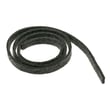
Correct dimensions help prevent crushed venting (long dry times), kinked gas connections, and vibration noise. If your dryer is already tight in the space and you notice squealing or thumping, worn drum support parts such as the slide drum WE03X37318 can also contribute to noise and rubbing.
Last updated: January 2026
What does DX4500GA2WW stand for?
DX4500GA2WW is the GE model number that identifies a specific GE gas dryer. It is mainly a product identifier used to match the correct replacement parts and diagrams; it is not a plain-language “code” where every character reliably translates to a feature.
GE model numbers like DX4500GA2WW typically combine a series identifier with a fuel type and a color/finish code. For parts and repair, the most important thing is using the full model number exactly as shown.
- Use DX4500GA2WW to look up compatible parts (belt, igniter, gas valve, timer).
- The GA portion commonly indicates a gas configuration in many GE dryer model families.
- The ending letters often relate to color/finish (for example, white variants commonly end in “WW” across many appliances).
- The middle digits usually identify the series and design revision, not a single feature.
Small model-number differences can change the drum support system, belt length, or burner components. When you are troubleshooting noise, no-heat, or no-start issues, matching parts to DX4500GA2WW prevents ordering the wrong component.
| Repair symptom | Common related part on this model | Example part anchor |
|---|---|---|
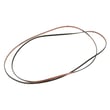
| Drum not turning, squealing | Belt or idler pulley | Drive belt WE03X29897 |
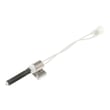
| Runs but no heat | Ignition system or gas valve | Igniter WE04X25996 |
| Won’t start when door closes | Door switch circuit | Door switch WE4M415 |
- Copy the model number exactly: DX4500GA2WW (no spaces).
- If the dryer has a data tag, match the model number there, not just the control panel styling.
- For heat problems on a gas dryer, start with airflow and ignition checks before replacing parts.
Using the correct model number is the fastest way to get the right GE dryer parts the first time, especially for gas-heating components where fit and electrical connectors must match.
Last updated: January 2026
What is the most common problem with a GE dryer?
For the GE DX4500GA2WW gas dryer, the most common problems are no heat, long dry times, or a drum that will not turn. In many cases, the root cause is restricted airflow (lint buildup or venting issues) or a worn drive system part such as the belt or idler.
- Drum not turning: worn or broken belt, seized idler pulley, or a failed motor
- No heat: ignition system issue (igniter or sensor), gas valve issue, or a safety device opening due to overheating
- Long dry times: clogged lint screen, crushed or long vent run, blocked exterior vent hood
- Will not start: door switch not closing, timer/control issue, or motor problem
- Clean the lint screen before every load and wash it with mild soap if you see residue.
- Check airflow at the outside vent hood; it should be strong and steady.
- Inspect the vent line for kinks, crushing, or heavy lint buildup.
- Listen for the burner sequence: motor runs, igniter glows, then flame lights.
- If the drum is hard to turn by hand (with power off), suspect a drive component binding.
| Symptom | Likely part to inspect | What it does |
|---|---|---|
| Drum will not turn | Drive belt WE03X29897 | Turns the drum using motor and idler tension |
| Squealing, thumping, drum drag | Idler pulley WE03X31620 | Maintains belt tension and supports smooth rotation |
| No heat (ignition failure) | Igniter WE04X25996 | Lights the gas burner when heat is called for |
| Will not start when door closes | Door switch WE4M415 | Confirms the door is shut so the dryer can run |
Airflow problems can cause overheating, shutdowns, and repeated no-heat complaints on gas dryers. Fixing venting and lint buildup first often prevents unnecessary part replacement and restores normal drying performance.
Related help: gas dryer wont heat troubleshooting video
Last updated: January 2026
Why does my GE dryer keep saying clean lint filter?
On the GE DX4500GA2WW gas dryer, the “clean lint filter” message usually means the dryer is sensing restricted airflow, not just lint on the screen. Cleaning the lint screen is step one, but lint buildup in the filter housing, blower area, or venting can keep the warning on and can also cause long dry times.
- Remove the lint screen; wash it with warm water and a soft brush if you use dryer sheets (film can block airflow).
- Vacuum the lint screen housing as far down as you can reach.
- Check the outside vent hood; make sure the flap opens strongly while the dryer runs.
- Inspect the vent hose behind the dryer for kinks, crushing, or heavy lint buildup.
- Run a timed dry cycle for 5 to 10 minutes with the vent disconnected (blowing into a bucket or safe area). If airflow improves a lot, the home vent run is restricted.
Restricted airflow is the most common cause, but these issues can contribute:
- Lint buildup on the blower wheel or in the air ducting
- Moisture sensor bars coated with residue (can confuse dryness sensing)
- Door not fully closing or an intermittent door switch
If the door switch is inconsistent, replacing the door switch WE4M415 restores reliable “door closed” sensing so the dryer can run and monitor cycles normally.
| What you notice | Most likely cause | What to do |
|---|---|---|
| Clothes take too long to dry | Vent restriction | Clean/shorten vent run; clear outside hood |
| Dryer runs hot, shuts off early | Poor airflow overheating | Clean lint housing, venting, and internal lint paths |
| Message appears even with clean screen | Residue or internal lint buildup | Wash screen; vacuum housing; clean moisture sensors |
| Rattling plus airflow issues | Loose lint, blower issue | Inspect blower area; check wheel condition |
Good airflow protects the gas burner system, helps prevent overheating, and keeps drying times and energy use under control. A persistent “clean lint filter” warning is often the first sign the vent system needs attention.
For step-by-step maintenance habits that reduce repeat warnings, use how to clean and maintain your clothes dryer.
Last updated: January 2026





