Error Codes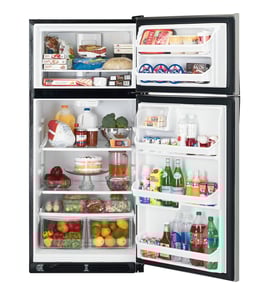


What are the dimensions of an 18 cubic foot refrigerator?
Most 18 cu. ft. top-mount refrigerators are about 65 to 68 inches tall, 28 to 30 inches wide, and 30 to 32 inches deep. For your Frigidaire FRT18B4AW2, use these as planning ranges, then confirm the exact cabinet opening and door-swing clearance before installation.
Typical size ranges (what to expect)
These are the most common exterior measurements we see for 18 cu. ft. top-freezer units:
- Height: 65 to 68 in.
- Width: 28 to 30 in.
- Depth (case): 30 to 32 in.
- Depth with handles: often 1 to 3 in. deeper than the case
- Depth with doors open: varies widely; plan extra clearance for full crisper access
Clearance checklist for a good fit
Even when the cabinet fits, doors and airflow clearances are what usually cause surprises.
- Leave space behind and above for airflow (condenser heat needs to escape).
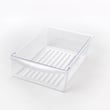
- Confirm the door can open far enough to slide out crispers and shelves.
- Measure the path into the kitchen (doorways, turns, and flooring transitions).
- Account for hinge-side clearance so the door does not bind against a wall.
- If the door does not seal well after moving, inspect the gasket and hinges.
Quick planning table
| What you are measuring | What to measure | Why it matters |
|---|---|---|
| Cabinet opening | Width, height, depth | Prevents a tight squeeze and vibration noise |
| Door swing | Hinge-side clearance | Ensures full door opening |
| Working depth | Depth with handles and doors open | Avoids blocked walkways and stuck drawers |
Why it matters
A refrigerator that is even 1 inch too tall or too deep can prevent proper ventilation, make doors hit cabinets, or keep drawers from sliding out. Getting the fit right also helps the door seal stay tight, which supports stable temperatures and lower energy use.
Related DIY help
If you are also troubleshooting cooling or airflow while planning a replacement or move, we recommend reviewing how to use your refrigerator efficiently for practical setup and loading tips.
Last updated: February 2026
What is the most common problem with a Frigidaire refrigerator?
The most common problem we see with Frigidaire refrigerators like model FRT18B4AW2 is a cooling complaint, especially “freezer is cold but the fresh food section is warm.” This usually traces back to airflow issues (evaporator fan, air damper), dirty condenser coils, or a defrost problem that lets frost block airflow.
Most common symptoms and what they usually mean
- Freezer OK, fridge warm: restricted airflow or failed airflow components
- Frost or ice buildup on the freezer back wall: defrost system issue
- Noisy humming or rubbing from freezer area: fan blade hitting ice or a failing fan
- Temps swing up and down: airflow restriction, door seal leak, or control sensing issues
- Water under the fridge or in the crisper area: defrost drain restriction
Quick checks we recommend first (no parts guessing)
- Confirm airflow: you should feel cold air entering the refrigerator section from the damper area.
- Inspect for frost: heavy frost on the freezer rear panel points to a defrost issue.
- Clean condenser coils: dust buildup reduces cooling capacity and raises run time.
- Check door sealing: look for gaps, torn gasket areas, or doors not closing fully.
- Listen for the evaporator fan: it should run when the compressor is running (door switch may need to be held in).
Parts that commonly solve “warm fridge” complaints on FRT18B4AW2
If your checks point to airflow or defrost, these model-matched parts are common fixes:
- Refrigerator air damper 240362601
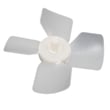
- Refrigerator evaporator fan blade 5308000010
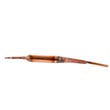
- Refrigerator defrost bi-metal thermostat 5303918202
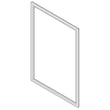
- Refrigerator gasket 242193213
What each part affects
| If you notice this | Most likely area | Example model-matched part |
|---|---|---|
| Fridge warm, freezer cold | Airflow from freezer to fridge | Air damper |
| Fan noise, weak airflow | Evaporator fan area | Fan blade |
| Heavy frost, airflow blocked | Defrost system | Defrost bi-metal thermostat |
| Moisture, warm spots near door | Door sealing | Door gasket |
Why it matters
A top-mount refrigerator cools the fresh food section by moving freezer air through vents. When frost blocks the evaporator, a fan cannot move air, or the damper sticks, the freezer can still feel “fine” while the refrigerator warms into the unsafe food zone.
For model-specific troubleshooting patterns (including any displayed codes on models that use them), we use the steps in Frigidaire refrigerator error codes.
Last updated: February 2026
What is the average lifespan of a Frigidaire refrigerator?
Most Frigidaire refrigerators average 10 to 15 years of service life. With steady upkeep (good airflow, clean condenser area, and tight door seals), many units run longer; when cooling parts start failing, repairs can extend the life of your Frigidaire FRT18B4AW2.
Typical lifespan and what affects it
A refrigerator’s lifespan depends more on operating conditions than brand alone.
- Heat and ventilation: Hot garages and tight cabinets shorten compressor life.
- Dirty condenser area: Dust buildup makes the system run longer and hotter.
- Door seal condition: Air leaks force longer run times and can cause frost issues.
- Defrost performance: Defrost failures can lead to ice buildup and warm temps.
- Usage habits: Frequent door openings and overpacking reduce airflow.
Quick maintenance that helps you reach (or beat) the average
These steps are safe for most top-mount refrigerators like the FRT18B4AW2.
- Vacuum dust from the condenser area and floor vents regularly.
- Keep space around the cabinet for airflow (especially behind the unit).
- Set temps to typical targets: 37°F to 40°F fresh food, 0°F freezer.
- Keep food from blocking interior vents and the air damper.
- Inspect and clean the door gasket; replace it if it is torn or won’t seal.
Parts that commonly impact longevity
If you’re troubleshooting warm temperatures, frost buildup, or poor airflow, these model-matched parts are often involved:
| Symptom | Common area to check | Example part for FRT18B4AW2 |
|---|---|---|
| Frost buildup, warm fridge | Defrost system | Refrigerator defrost bi-metal thermostat 5303918202 |
| Warm fridge, weak airflow | Airflow control | Refrigerator air damper 240362601 |
| Noisy or weak circulation | Evaporator fan area | Refrigerator evaporator fan blade 5308000010 |
| Moisture, poor sealing | Door seal | Refrigerator gasket 242193213 |
Why it matters
Once a refrigerator starts running hot or constantly, energy use rises and food safety becomes harder to maintain. Catching airflow and sealing problems early often prevents bigger failures like compressor damage.
For additional Frigidaire-specific troubleshooting patterns, use our Frigidaire refrigerator error codes guide.
Last updated: February 2026
How to read a Frigidaire refrigerator model number?
To read a Frigidaire refrigerator model number, we use the full model code exactly as it appears on the rating label inside the fresh food compartment. For your top-mount refrigerator, the model number is FRT18B4AW2; each group of letters and numbers identifies the series, size class, and design version.
Where to find the model number on a Frigidaire top-mount refrigerator
We look for a paper or foil rating label in one of these common spots:
- On the left interior wall of the refrigerator section
- On the right interior wall of the refrigerator section
- Near the crisper area or lower side wall (still inside the fresh food compartment)
- Occasionally along the door frame edge (refrigerator side)
How we “read” the model number (what the characters usually mean)
Frigidaire model numbers are built in chunks. The exact meaning can vary by production run, but this is the practical way we interpret it for parts and service:
- Prefix letters: product family/series (helps identify the platform)
- Number group: size class or capacity family (often tied to the cabinet design)
- Middle letters/numbers: feature set or configuration (top-mount vs. other layouts)
- Ending characters: revision/version code (important for matching the correct replacement parts)
Example breakdown (typical)
| Model number chunk | What we use it for | Why it matters |
|---|---|---|
| Prefix (letters) | Identifies the product family | Narrows parts diagrams to the right platform |
| Size/series (numbers) | Indicates the cabinet series | Helps match shelves, drawers, and liners |
| Suffix (ending) | Identifies the version/revision | Prevents ordering a part that looks right but does not fit |
Why it matters for ordering parts
We match parts to the exact model number because small revisions can change fit, wiring, or mounting points. If you are troubleshooting cooling or airflow issues, model accuracy is especially important when selecting parts such as the refrigerator defrost bi-metal thermostat 5303918202 or the refrigerator evaporator fan blade 5308000010.
Last updated: February 2026