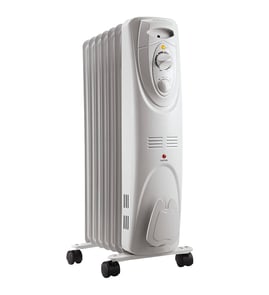

Are any propane heaters safe indoors?
Yes, some propane heaters are safe to use indoors, but only models specifically designed and certified for indoor use. For a Reddy RCP25 propane construction heater, treat it as an outdoor or well-ventilated jobsite heater unless the rating label explicitly states indoor use.
What “safe indoors” means
Indoor-safe propane heaters are built to reduce (not eliminate) common hazards like carbon monoxide buildup, oxygen depletion, and tip-over fires.
Look for these features on the heater label and in the product literature:
- Indoor-use certification (the key requirement)
- Oxygen depletion sensor (ODS)
- Tip-over shutoff switch
- Overheat protection
- Stable base and protective guard
Indoor use checklist (do this every time)
Even with an indoor-rated heater, we recommend these basics:
- Use a working carbon monoxide (CO) alarm in the same area
- Keep fresh-air ventilation (for example, a cracked window and some air exchange)
- Maintain clearances from combustibles (paper, sawdust, solvents, curtains)
- Keep the heater away from foot traffic and pets
- Never use it while sleeping or unattended
Quick comparison: indoor-rated vs construction heaters
| Heater type | Typical intended location | Key risk indoors | Best practice |
|---|---|---|---|
| Indoor-rated propane heater | Homes, cabins, enclosed spaces with ventilation | CO and oxygen depletion | Use CO alarm and ventilation |
| Propane construction heater (like many jobsite units) | Open or well-ventilated worksites | Rapid CO buildup | Use only where ventilation is strong |
Why it matters
Propane heaters consume oxygen and can produce carbon monoxide. In a tight room, dangerous conditions can develop quickly, even if the heater seems to be running “normally.”
Parts and model help
If you are confirming the exact model before ordering parts or looking up specifications, use how to find your appliance model number (and what it means for parts).
Last updated: February 2026
Do you need ventilation for an indoor propane heater?
Yes. Any propane heater used indoors needs fresh-air ventilation because combustion consumes oxygen and can create carbon monoxide and nitrogen dioxide; even “vent-free” designs still require adequate airflow to keep indoor air safe.
Safe ventilation basics (what we recommend)
- Open a window or door slightly to provide a steady source of fresh air.
- Never run a propane construction heater in a tightly sealed room.
- Keep the heater away from curtains, cardboard, sawdust, and other combustibles.
- Use a working carbon monoxide (CO) alarm in the same general area.
- Shut the heater off immediately if you notice headaches, dizziness, nausea, or unusual odors.
Indoor-rated vs construction heaters (important difference)
Many Reddy RCP25 units are propane construction heaters, which are typically intended for well-ventilated jobsite spaces, not finished living areas.
| Heater type | Typical intended space | Ventilation need |
|---|---|---|
| Indoor-rated propane heater | Larger rooms with controlled use | Fresh air required at all times |
| Propane construction heater (like RCP25) | Garages, workshops, jobsite areas | High ventilation required; avoid tight indoor spaces |
Quick safety checks before you run it
- Confirm you have strong airflow (cracked opening plus air exchange).
- Inspect the hose and regulator for cracks, soft spots, or leaks.
- Keep the heater on a stable, level surface.
- Do not use in bedrooms, bathrooms, or other small enclosed rooms.
Why it matters
Propane heaters can warm a space quickly, but the same flame that makes heat also changes the air you breathe. Ventilation protects oxygen levels and reduces the risk of dangerous combustion byproducts building up.
For general DIY safety guidance before troubleshooting wiring, switches, or ignition components, use our are diy appliance repairs safe tips.
Last updated: February 2026
How long does a Reddy Heater last?
A Reddy RCP25 propane construction heater typically lasts 5 to 10 years with normal seasonal use and basic maintenance (cleaning, proper storage, and correct fuel supply). Heavy jobsite use, dusty conditions, and running at maximum output shorten service life.
What “lasts” means for a propane construction heater
Most owners notice end-of-life as repeated shutdowns, hard starting, weak heat output, or unreliable ignition. On the Reddy RCP25, the most common wear points are the ignition system, safety controls, and wiring connections.
Typical lifespan by use pattern
| Use pattern | Typical lifespan | What usually fails first |
|---|---|---|
| Occasional (weekends, short seasons) | 8 to 12 years | Igniter, wiring, switches |
| Regular seasonal (garage or shop) | 5 to 10 years | Thermostat/control, ignition parts |
| Heavy jobsite (daily, dusty) | 2 to 5 years | Controls, wiring, burner/airflow issues |
How to make your RCP25 last longer
- Keep the heater clean; blow out dust from air inlets and around the burner area when cool.
- Inspect the power cord and internal wiring for heat damage, pinches, or loose terminals.
- Use the correct propane supply and regulator setup; low gas pressure causes poor combustion and overheating.
- Store it dry and covered; moisture drives corrosion and electrical problems.
- Check fasteners and guards so vibration does not loosen components.
Quick checks when it starts acting “worn out”
These steps help you decide whether you are dealing with a simple fix or a heater nearing the end of its service life:
- Verify the outlet power and extension cord gauge (undersized cords cause low voltage).
- Look for a weak or intermittent spark at ignition.
- Confirm the fan runs smoothly without scraping or squealing.
- Check for burnt wire insulation or discolored connectors.
For safe electrical testing steps, use our guide: how to use a multimeter to test electrical parts video.
Why it matters
A propane construction heater that is nearing end-of-life can cycle off unexpectedly or run inefficiently, which wastes fuel and reduces heat output. Catching wiring, ignition, and airflow issues early usually extends the heater’s usable life.
Last updated: February 2026