Error Codes

How heavy is a 30 inch wall oven?
Most 30-inch built-in wall ovens weigh about 140 to 220 lb before installation; for the Dacor ECPS230, plan on that range and use a two-person lift (or an appliance dolly) because the cabinet cutout and wiring make handling harder than the raw weight.
Typical weight ranges (what to expect)
Wall-oven weight varies mainly by single vs. double oven, convection hardware, and insulation.
- Single 30-inch wall oven: ~140 to 200 lb
- Double 30-inch wall oven: ~200 to 300 lb
- Shipping weight: often 10 to 30 lb higher than the installed unit
- Heaviest parts to handle: door, racks, and trim pieces
| Oven type | Typical installed weight | Notes |
|---|---|---|
| Single 30-inch | 140 to 200 lb | Most common category |
| Double 30-inch | 200 to 300 lb | Often requires 3 people |
| Shipping weight | +10 to 30 lb | Packaging adds weight |
How we recommend moving it safely
- Shut off power at the breaker before touching wiring.
- Remove the oven door (if your design allows) to reduce weight and improve grip.
- Pull out racks and pack them separately.
- Protect the cabinet edges with cardboard or a moving blanket.
- Use an appliance dolly or lifting straps; keep the oven upright.
- Avoid lifting by trim or the handle; those parts are not designed as lift points.
Why it matters
Weight affects more than lifting. It also impacts cabinet support, how smoothly the oven slides into the cutout, and the risk of bending trim or damaging wiring during installation.
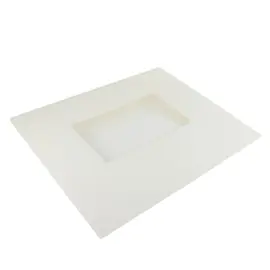
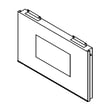
If you are replacing cosmetic pieces after a move or reinstall, match parts to your model, for example the wall oven door frame, stainless steel 27088B or door handle 13127R.
Last updated: January 2026
Is Dacor wall oven good?
Yes. Dacor wall ovens are generally a good choice when you want premium build quality, strong baking performance, and a high-end look. For the Dacor ECPS230 electric wall oven, long-term satisfaction usually comes down to proper installation, steady power supply, and using the correct replacement parts when service is needed.
What “good” typically means for a wall oven
Most customers judge a wall oven on these points:
- Even heating for baking and roasting
- Temperature stability (less swing once preheated)
- Quiet, reliable airflow from the cooling or convection fan system
- Solid door feel and sealing (helps maintain heat)
- Parts support for repairs over time
Common ownership pros and what to watch for
Dacor is positioned as a premium brand, so expectations are higher. Here is what we see most often.
| Area | What’s typically good | What to watch for |
|---|---|---|
| Cooking results | Consistent baking when preheated fully | Calibration issues can show up as “runs hot/cold” |
| Fit and finish | High-end trim and door appearance | Cosmetic parts can be model-specific |
| Serviceability | Many components are replaceable | Electrical issues require careful diagnosis |
If you’re evaluating reliability, check these parts first
When a wall oven has performance complaints (slow preheat, uneven baking, noisy operation), these are common starting points for inspection on many models:
- Cooling or convection fan blade condition (cracks, wobble): Dacor fan blade 82651
- Heat management and shielding around the cabinet: Dacor heat shield 26640
- Power connection integrity (burn marks, loose lugs): Dacor terminal block 83556
Why it matters
A wall oven is a high-heat, high-current appliance. Small issues like a loose terminal connection or a damaged fan blade can turn into bigger problems such as poor temperature control, overheating around the cabinet, or repeated shutdowns.
Last updated: January 2026
How long should a Dacor oven last?
A Dacor electric wall oven like model ECPS230 typically lasts 15 to 20 years with normal household use and basic upkeep. Consistent cleaning, good airflow around the oven, and fixing small issues early help you reach the full life expectancy.
Typical lifespan (what to expect)
Most wall ovens fall into a predictable range based on use and maintenance:
- 15 to 20 years: typical for a well-maintained premium wall oven
- 10 to 15 years: common if the oven sees heavy daily use or frequent high-heat cooking
- 20+ years: achievable when heating performance stays stable and repairs are handled promptly
Quick guide: what shortens or extends oven life
| Factor | Shortens lifespan | Extends lifespan |
|---|---|---|
| Heat exposure | Frequent self-clean cycles, constant max-temp baking | Moderate self-clean use, avoid unnecessary high-heat runs |
| Airflow | Blocked vents, grease buildup | Keep venting clear and surfaces clean |
| Electrical | Loose connections, heat-damaged wiring | Tight, clean connections and prompt repair of hot spots |
| Repairs | Ignoring noises, burning smells, slow preheat | Replacing worn parts before they stress other components |
Maintenance habits that make the biggest difference
We recommend these practical steps for the ECPS230:
- Keep the oven vent area clear and wipe away grease before it bakes on.
- Use self-clean only when needed; high heat accelerates wear on door components and wiring.
- If you notice a hot electrical smell, flickering display, or intermittent power, inspect and repair the power connection area promptly.
- Address unusual fan noise early; a worn fan can reduce cooling and raise internal temperatures.
- Use a surge protector rated for the circuit only if approved for your installation; stable power helps protect controls.
Parts that commonly affect longevity
When an oven runs hot internally or loses cooling, other components age faster. These parts are often involved in long-term reliability:
- Dacor terminal block 83556: helps deliver stable power to the oven; heat damage or loose connections can cause intermittent operation.
- Dacor fan blade 82651: supports airflow for cooling; damage or imbalance can lead to noise and reduced cooling.
- Dacor heat shield 26640: helps protect surrounding components from heat exposure.
Why it matters
A wall oven is a high-heat, high-current appliance. When airflow and electrical connections stay in good shape, the oven holds temperature better, runs cooler behind the scenes, and avoids the cascading failures that shorten service life.
Last updated: January 2026
Why is my Dacor oven not heating up?
If your Dacor ECPS230 electric wall oven is not heating, the most common causes are a loss of power to the oven, a failed heating circuit (element, wiring, or terminal connections), or a control problem that is not sending voltage to the elements. Start with power and simple checks before testing parts.
Quick checks we recommend first
- Confirm the oven is getting full power (a wall oven typically needs 240 volts; a tripped breaker can leave you with partial power).
- Make sure the oven is not in a timed or delayed-start mode.
- Verify the door is fully closed; some modes can limit heating if the door switch does not read closed.
- Try both Bake and Broil; if one works and the other does not, the problem is usually in that specific heating circuit.
- If the display is blank or resets, suspect a power supply or connection issue.
Parts and areas that commonly cause “no heat”
On an electric wall oven like the Dacor ECPS230, these are the most frequent failure points:
- Loose or burned power connections at the terminal block 83556
- Damaged wiring or overheated connectors (especially near the control area)
- Failed control or relay that is not sending power to the heating elements
- Cooling or convection airflow problems that trigger overheating protection (fan issues can contribute)
What to test (basic troubleshooting path)
Turn off power at the breaker before opening panels.
- Power supply: Check for a tripped double breaker and verify proper voltage at the junction/terminal area.
- Terminal connections: Look for discoloration, melted insulation, or loose screws at the terminal block.
- Fan operation: If the oven overheats or shuts down, check whether the fan runs normally; a damaged fan blade 82651 can reduce airflow.
Symptom-to-likely-cause guide
| What you notice | What it usually points to | What to check next |
|---|---|---|
| Display works but no heat in Bake or Broil | Control not sending power, power issue, or main connection problem | Breaker/voltage, terminal connections, control output |
| Broil works but Bake does not (or vice versa) | Failure in that heating circuit | Element circuit, wiring, control relay for that mode |
| Oven heats briefly then stops | Overheat protection, airflow issue, or failing control | Fan operation, vents, wiring condition |
Why it matters
A “no heat” condition is often electrical. Catching a loose or overheated connection early (especially at the terminal block) helps prevent repeated shutdowns and damage to wiring and controls.
Last updated: January 2026