Owner’s manual
 Error Codes


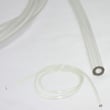
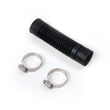
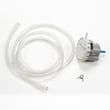
How to unclog drain hose on Kenmore washer?
To unclog the drain hose on your Kenmore washer model 11021892000, we unplug the washer, remove standing water, then clear blockages from the drain hose and pump path. Most clogs are lint, coins, or small clothing items lodged at the pump inlet or hose bends; use the owner's manual for access details.
Step-by-step: unclog the drain hose safely
- Unplug the washer (and turn off both water supply valves).
- Bail out the tub or use a wet/dry shop vacuum on the standpipe to pull water out of the drain hose.
- Pull the washer forward and inspect the external drain hose for kinks, crushing, or a clogged end.
- Remove the cabinet or access panel as shown in the owner's manual.
- Place towels and a shallow pan under the pump area.
- Loosen the hose clamps and remove the hose from the pump; clear debris with needle-nose pliers.
- Check the pump inlet and impeller area for obstructions; replace the pump if the impeller is damaged or the pump leaks.
Parts that commonly relate to “won’t drain” symptoms
If the hose is clear but the washer still will not drain, these parts are the most common next checks for model 11021892000:
| Symptom | Most likely area | What to check next |
|---|---|---|
| Hums but won’t drain | Pump jammed | Debris in pump, damaged impeller; consider washer drain pump WP3363394 |
| Drains slowly | Hose restriction | Kinked hose, clogged standpipe, lint buildup |
| Won’t drain and won’t spin | Drive system issue | Coupling/clutch issues; inspect coupling 285753A and clutch |
Why it matters
A partially clogged drain hose makes the pump work harder, can leave water in the tub, and often prevents a full spin. Clearing the blockage restores proper drain and spin performance and helps prevent repeat clogs.
Last updated: February 2026
How to read Kenmore washer model numbers?
Kenmore washer model numbers are structured so you can identify who built the washer and which design family it belongs to. For Kenmore model 11021892000, the 110 prefix identifies the manufacturer, and the remaining digits narrow down the exact series and version for correct parts and service info.
What each section of the model number means
Most Kenmore washer model numbers break down like this:
- Prefix (first 3 digits): identifies the manufacturer behind the Kenmore brand
- Base model (next group of digits): identifies the core platform or design family
- Suffix (last digits): identifies specific variations (feature set, color, production revision)
This matters because two washers can look similar but use different components such as a drain pump, inlet valve, or drive system.
How to use the model number to get the right parts
When you search parts for 11021892000, always use the full model number (all digits) so diagrams and part lists match your exact washer.
Common parts that vary by model version include:
Quick check: model number vs. serial number
Use this table to avoid mix-ups when ordering parts or looking up troubleshooting steps:
| Item | What it tells you | Where it’s used |
|---|---|---|
| Model number | Exact washer design and parts match | Parts diagrams, part compatibility, manuals |
| Serial number | Production details (varies by unit) | Service history, manufacturing info |
Why it matters
Using the correct Kenmore model number prevents ordering the wrong replacement part and helps ensure repair instructions match your washer’s design (controls, basket/agitator setup, and drive components). For feature and control details specific to this washer family, use the owner's manual.
Last updated: February 2026
What is the average lifespan of a Kenmore washer?
A Kenmore washer typically lasts 10 to 15 years. For your Kenmore 11021892000 top-load washer, consistent maintenance (correct water level, proper loading, and periodic cleaning) is what most directly determines whether it lands closer to 10 years or pushes past 15.
Typical lifespan by use level
How long a washer lasts is mostly about cycles per week and how hard it is worked.
- Light use (1 to 3 loads/week): 12 to 15 years
- Average use (4 to 7 loads/week): 10 to 13 years
- Heavy use (8+ loads/week): 8 to 11 years
| What affects lifespan most | What to do | What it prevents |
|---|---|---|
| Overloading | Keep loads balanced and avoid packing the basket | Clutch and gear case wear, out-of-balance shaking |
| Poor draining | Clear clogs and check drain flow | Drain pump strain, standing water odors |
| Agitation wear | Don’t wash heavy items on high agitation every load | Agitator and drive wear |
| Vibration | Level the washer and keep it stable | Suspension and tub wear |
Maintenance that adds years (and reduces repairs)
These steps fit the design and features shown for this model in the owner's manual.
- Use the lowest water level that still fully covers the load.
- Choose water temperature appropriate for the fabric; avoid unnecessary hot washes.
- Keep loads evenly distributed (mix small and large items).
- If the washer starts to leave water behind, check for a partial clog before continuing to run cycles.
- Address new noises early; worn drive components can cascade into bigger wear.
Parts that commonly wear as the washer ages
When performance changes (no agitation, weak spin, or poor draining), these are common wear items for Kenmore top-load designs like model 11021892000.
- Agitator dog 80040 (helps the agitator “grab” and move clothes)
- Coupling 285753A (connects motor power into the drive system)
- Washer drain pump WP3363394 (moves water out during drain)
- Clutch 285785 (helps the basket reach spin speed)
Why it matters
Once a washer is past the 10-year mark, small symptoms (slipping agitation, slow drain, increased vibration) are the best predictors of remaining life. Fixing a simple wear part early often prevents secondary damage to higher-cost assemblies like the gear case.
Last updated: February 2026
How many cubic feet is a Kenmore 11021892000 washer?
The Kenmore washer model 11021892000 is a Super Capacity Plus top-load design; the exact tub volume in cubic feet varies by version and is best confirmed from the model’s documentation. Use the 11021892000 owner's manual to match capacity and load guidance to your specific washer.
How to confirm the correct capacity for your exact washer
We recommend using the model and serial information on your washer to ensure you are looking at the right spec.
- Check the model and serial tag (commonly under the lid) and confirm it reads 11021892000
- Look in the specifications section of the 11021892000 owner's manual
- If your manual lists “Super Capacity Plus” without cubic feet, use the load-size guidance charts as your capacity reference
- Compare your basket style (agitator vs. no agitator) to the diagrams in the manual
Practical load guidance (works even without a cu. ft. number)
For Super Capacity Plus top-load Kenmore washers, these loading rules prevent poor cleaning and out-of-balance spinning:
- Load items loosely; do not pack or press clothes down
- Keep the load even around the basket
- Mix large and small items in the same load
- Choose the water level that matches the load size
- For bulky items, wash 1 or 2 pieces at a time and add a few small items to help balance
Quick reference: what “Super Capacity Plus” typically supports
| Load type | Typical examples | What to watch |
|---|---|---|
| Medium mixed load | Shirts, underwear, light pants | Keep items loose for good turnover |
| Heavy load | Jeans, towels | Balance evenly to reduce vibration |
| Bulky load | Bedding, hoodies | Avoid overfilling; use higher water level |
Why it matters
Capacity affects how well the washer agitates, rinses, drains, and spins. Using the manual’s load and water-level guidance prevents overloading, which is a common cause of poor cleaning and excessive shaking.
Last updated: February 2026