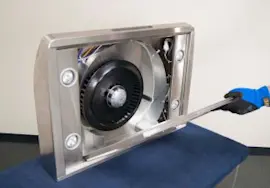
Owner’s manual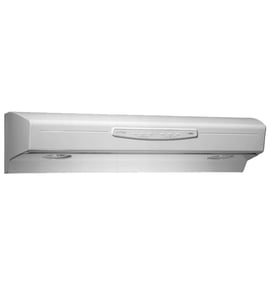


Do ductless range hoods really work?
Yes, ductless (recirculating) range hoods really work for reducing cooking odors and capturing some airborne grease by pulling air through a grease filter and a charcoal filter, then returning the cleaned air to the kitchen. On the Ikea IH6302YS0 30" professional hood, performance depends most on using the right filters and replacing them on schedule; see the IH6302YS0 owner's manual for your exact setup.
What a ductless hood does well (and what it cannot do)
Ductless hoods are a practical choice when you cannot vent outside, but they are not the same as a ducted hood.
- Reduces everyday odors from light to moderate cooking
- Captures some grease before it settles on cabinets
- Helps keep the kitchen air feeling fresher between cleanings
- Does not remove heat and humidity the way a ducted hood does
- Does not clear heavy smoke as quickly as a properly ducted system
Filters are the difference between “works” and “doesn’t”
For ductless operation, the charcoal filter is the key odor-control component. If odors linger, the charcoal filter is usually saturated or missing.
- Confirm the hood is configured for recirculation (not vented mode)
- Clean the grease filter regularly (per your cooking frequency)
- Replace the charcoal filter on a routine schedule
- Run the hood a few minutes before cooking and 10 to 15 minutes after
- Use a higher fan speed for frying, searing, or wok cooking
Common filter options for IH6302YS0
| Filter type | What it targets | Typical maintenance |
|---|---|---|
| Grease filter | Grease and larger particles | Clean regularly (often monthly for average use) |
| Charcoal filter | Odors and some VOCs | Replace periodically (often every 3 to 6 months) |
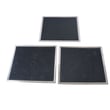
For this model, a common replacement is the range hood charcoal filter kit, 3-pack W10412939.
Why it matters
A ductless hood that is underpowered for your cooking style or running with an old charcoal filter will recirculate air without removing much odor. Keeping filters fresh and using the right fan speed gives you the best real-world results.
Last updated: February 2026
How many sones is a quiet range hood?
A quiet range hood is typically 1 to 4 sones. For an Ikea IH6302YS0 30-inch professional hood, that range is considered low-noise enough for normal conversation; 4 to 6 sones is more noticeable but still reasonable for many kitchens.
Quick sone guide (what “quiet” means)
- 1 to 2 sones: very quiet, soft background sound
- 3 to 4 sones: quiet, clearly audible but not disruptive
- 4 to 6 sones: moderate, you will notice it during cooking
- 6+ sones: loud, often used for high airflow or heavy cooking
Why sones can change in real kitchens
Even with the same hood model, perceived noise varies based on installation and airflow resistance.
- Longer duct runs and extra elbows increase turbulence and noise
- Undersized ducting can make the blower sound louder
- Dirty filters restrict airflow and raise noise
- Loose mounting screws or panels can cause vibration
- A stuck or misaligned damper can rattle
Common “quiet hood” targets by cooking style
| Cooking style | Typical goal | What to prioritize |
|---|---|---|
| Light cooking (simmering) | 1 to 3 sones | lower speed use, clean filters |
| Everyday cooking | 2 to 4 sones | smooth ducting, proper damper |
| High-heat searing | 4 to 6+ sones | higher airflow, accept more noise |
Parts that affect noise and airflow on IH6302YS0
If your hood suddenly seems louder than it used to, start with airflow restrictions and rattles.
- Check and clean/replace the grease filter; see filter W10169961A
- If you run in recirculation mode, replace the charcoal filters on schedule; see range hood charcoal filter kit, 3-pack W10412939
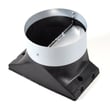
- Inspect the venting flap for sticking or rattling; see range hood damper WPW10313841
Why it matters
Lower sones usually means you will actually use the hood more often, which improves smoke and odor removal and helps protect cabinets and finishes from grease buildup.
For model-specific operating details and filter access, use the IH6302YS0 manual.
Last updated: February 2026
What are the disadvantages of recirculating hoods?
Recirculating (ductless) range hoods like the Ikea IH6302YS0 can reduce odors and some smoke, but they do not exhaust air outdoors. That means they are typically less effective at removing heat, humidity, and heavy grease compared with a ducted hood, and they depend on regular filter maintenance.
Main disadvantages to expect
- Weaker removal of heat and moisture: Steam and heat stay in the kitchen, which can lead to lingering humidity.
- Odors can linger longer: Filters help, but strong cooking smells often take longer to clear than with outdoor venting.
- More frequent filter upkeep: You must clean grease filters regularly and replace charcoal filters on schedule.
- Performance drops as filters load up: Airflow and odor control decline when filters are dirty or saturated.
- Grease can build up faster on cabinets and walls: Because grease is not being vented outside.
Filter maintenance (what usually drives the “downsides”)
For ductless operation, the charcoal filter is the key wear item. On the IH6302YS0, plan on replacing the charcoal filter more often if you cook frequently, fry foods, or use high heat.
| Item | What it does in recirculating mode | Typical service interval |
|---|---|---|
| Grease filter | Captures grease before air is returned to the room | Clean about monthly (more with heavy cooking) |
| Charcoal filter | Absorbs odors before air is returned to the room | Replace about every 3 to 6 months |
If you need the correct replacement, use the model-matched range hood charcoal filter kit, 3-pack W10412939.
Why it matters
A recirculating hood is often chosen when ducting is not possible, but the tradeoff is indoor air quality and comfort. Keeping filters fresh is what prevents “my hood is loud,” “it smells,” or “it doesn’t seem to pull” complaints.
Helpful model-specific tip
We recommend following the cleaning and filter instructions in the IH6302YS0 manual so the fan, filters, and airflow path stay as efficient as possible.
Last updated: February 2026
What's the best CFM for a range hood?
For the Ikea IH6302YS0 30-inch professional hood, the “best” CFM is the lowest airflow that reliably clears smoke and odors for your cooking style; for many homes, about 150 to 250 CFM works well for everyday cooking, while higher CFM is most useful for frequent high-heat searing or wok cooking. Confirm your hood’s rated CFM and venting requirements in the IH6302YS0 owner's manual.
How we choose the right CFM (practical guidelines)
- Match airflow to how you cook: light simmering needs less CFM than frequent frying or searing.
- Prefer effective ducting over “more CFM”; smooth, short duct runs move air better.
- If you use a recirculating setup, filter condition matters as much as airflow.
- Avoid oversizing in a tight home; very high CFM can increase the risk of backdrafting from other vented appliances.
- Check local code requirements; many areas require a minimum kitchen exhaust capacity.
Typical CFM ranges by cooking style
| Cooking style | Typical CFM range | What you’ll notice |
|---|---|---|
| Light cooking (boil, warm, low smoke) | 150 to 250 | Quieter, usually sufficient |
| Everyday mixed cooking (some frying) | 250 to 400 | Better odor capture |
| Heavy cooking (high heat, frequent smoke/grease) | 400 to 600+ | Strong capture, more noise, more make-up air concerns |
If your hood performance feels weak
- Clean or replace the filters on schedule; clogged filters reduce airflow.
- For recirculating operation, replace the charcoal filters regularly; consider the range hood charcoal filter kit, 3-pack W10412939.
- Verify the damper opens freely and the duct is not blocked.
- Reduce duct restrictions (too many elbows, crushed flex duct, undersized duct).
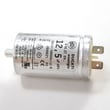
- If the blower sounds strained or won’t start, a failing capacitor can be a cause; see the range hood blower motor capacitor W10256657.
Why it matters
Right-sizing CFM helps your IH6302YS0 capture grease and odors without excessive noise, drafts, or negative pressure issues. Good venting and clean filters often improve real-world performance more than simply choosing the highest CFM.
Last updated: February 2026