
What is the list of vacuum cleaner parts?
For the Craftsman wet/dry vacuum model 113177961, the parts list is typically grouped into power components, airflow and filtration components, and the tank and accessory components. Knowing these common assemblies helps you match the right replacement by model number and part description.
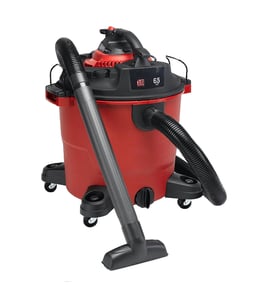
Common wet/dry vacuum parts (what you will usually see)
- Motor and fan (impeller) assembly
- Power switch and internal wiring
- Power cord and cord wrap/strain relief
- Lid or motor head (top cover)
- Filter and filter cage (plus float shutoff for wet pickup)
- Hose, hose cuffs, and inlet port
- Collection tank (canister) and latches
- Casters/wheels and axle hardware
Quick parts list by system
| System | Typical parts included | What it affects |
|---|---|---|
| Power | motor, switch, cord, wiring | starts, runs, and overall suction power |
| Airflow | hose, inlet, gaskets/seals | suction strength and leaks |
| Filtration | filter, filter cage, float | dust control and wet overflow protection |
| Tank and mobility | canister, latches, wheels/casters | capacity, stability, and ease of moving |
Wear items we replace most often
- Filter (clogged or torn filters are the most common cause of weak suction)
- Hose and cuffs (cracks and loose ends cause air leaks)
- Switch or cord (intermittent power, no power)
- Gaskets and seals (loss of suction, dust bypass)
Why it matters
Wet/dry vacuums like Craftsman 113177961 rely on an airtight airflow path. A small air leak at the hose, lid seal, or tank latch can reduce pickup dramatically, even when the motor is running normally.
Helpful tip for finding the exact match
Use the model number on the data plate and compare it carefully when shopping parts. Our guide, how to find your appliance model number (and what it means for parts), shows where to look and how to use it to avoid ordering the wrong item.
Last updated: February 2026
Why do shop vacuums lose suction?
Shop vacuums (including the Craftsman 113177961 wet/dry vacuum) usually lose suction because airflow is restricted or air is leaking: a clogged filter, blocked hose/nozzle, a full tank, or a lid, gasket, or hose connection that is not sealing tightly.
Most common causes (and what to check first)
- Filter is clogged or wet: A dirty cartridge filter is the top cause of weak suction.
- Hose or nozzle blockage: Debris can lodge at the nozzle, bends, or where the hose meets the inlet.
- Tank is full: Wet pickup especially can reduce airflow quickly when the tank fills.
- Air leak at the lid or ports: A loose latch, cracked tank, or worn seal lets air bypass the suction path.
- Wrong setup for the job: Using a fine-dust filter for wet pickup, or running without the correct filter, can hurt performance.
Quick diagnostic: restriction vs. leak
| What you notice | Likely issue | Best next step |
|---|---|---|
| Motor sounds higher pitched than normal | Air leak | Reseat lid, check latches, inspect seals and hose ends |
| Motor sounds lower, strained, or airflow is weak | Clog/restriction | Check filter, then hose/nozzle, then inlet |
| Suction starts strong then fades fast | Filter loading or tank filling | Clean/replace filter; empty tank |
Step-by-step fix (5 to 10 minutes)
- Unplug the vacuum.
- Empty the tank and wipe the rim where the lid seals.
- Inspect and clean the filter (replace it if it is torn, deformed, or will not clean out).
- Check the hose for clogs: remove the hose and look through it; clear bends and the inlet port.
- Confirm a tight seal: reinstall the lid evenly and secure all latches; push hose cuffs fully onto ports.
Why it matters
A wet/dry vacuum is basically an airflow machine; any restriction (filter, clog, full tank) or leak (lid, gasket, hose connection) reduces the pressure difference that creates suction. Fixing the airflow path restores pickup and helps protect the motor from overheating.
Related help: how to use a multimeter to test electrical parts video
Last updated: February 2026
Why is my vacuum pushing out air?
Your Craftsman wet/dry vacuum model 113177961 pushes out air because the motor uses that airflow to cool itself and to exhaust what it pulls through the tank. If the exhaust feels unusually strong, dusty, or blows debris, the most common cause is a missing, clogged, or incorrectly installed filter.
Quick checks (most fixes take 5 minutes)
- Unplug the vacuum and remove the powerhead.
- Confirm a filter is installed and seated evenly on the cage.
- Clean or replace the filter if it is packed with fine dust.
- Empty the tank; an overfilled canister can stir up debris and blow it out the exhaust.
- Check the hose and inlet for a blockage; restrictions can change exhaust feel.
- Verify you are using the correct setup for dry pickup vs. wet pickup (wet pickup typically uses a foam sleeve or no cartridge filter, depending on design).
What “normal exhaust” vs “problem exhaust” looks like
| What you notice | Likely cause | What to do |
|---|---|---|
| Clean, steady warm air | Normal motor exhaust | No repair needed |
| Dusty air or debris mist | Filter missing, torn, or not seated | Reinstall or replace filter |
| Weak suction and loud pitch | Clogged filter or blockage | Clean filter; clear hose/inlet |
| Musty smell after wet use | Moisture left in tank/filter | Dry tank and filter completely |
Why it matters
A wet/dry vacuum depends on controlled airflow for suction and motor cooling. Running with the wrong filter setup can reduce pickup, blow dust back into the room, and shorten motor life.
Helpful DIY resources
- Use a meter safely when diagnosing power or motor issues: how to use a multimeter to test electrical parts video
- If you suspect a cord or internal lead issue: how to repair broken or damaged wires video
- If the vacuum will not start or trips a breaker: how to tell if a fuse is blown
Last updated: February 2026
How to find model number on Craftsman Shop-Vac?
On a Craftsman Shop-Vac like model 113177961, the model number is printed on the rating label (data plate), usually on the tank/canister or near the motor head. Use that exact number when ordering filters, hoses, and other wet/dry vacuum parts.
Where to look on the vacuum
Check these common label locations first (start with the tank and motor head):
- Outside of the tank/canister, often near the rear or lower side
- Underside or back of the motor head (power unit)
- Near the cord wrap or handle area
- Close to the inlet port where the hose connects
- Inside the tank rim (lift off the motor head and look around the top edge)
What the model number looks like (and what to write down)
For Craftsman wet/dry vacuums, the model number is typically a numbers-only string (example: 113177961). Record the details exactly as shown.
| Label item | What it’s used for | Example |
|---|---|---|
| Model number | Matches the correct parts list | 113177961 |
| Serial number | Identifies your specific unit | Varies |
| Electrical rating | Confirms power requirements | Volts/amps |
Tips if the label is worn or missing
If the sticker is scratched, painted over, or unreadable, these steps usually get you the number you need:
- Wipe the label with a damp cloth; let it dry and re-check under bright light
- Use your phone camera and zoom in; angled light can make faint print readable
- Look for a second label on the motor head if the tank label is damaged
- Check the original carton, receipt, or any registration paperwork
- Use our guide: how to find your appliance model number (and what it means for parts)
Why it matters
Craftsman Shop-Vac parts like the cartridge filter, foam sleeve filter, hose, casters, and switches can vary by series and production run. Using the exact model number helps ensure the part fits and seals correctly, especially for wet pickup.
Last updated: February 2026
How do you get the filter off of a CRAFTSMAN shop vac?
On the Craftsman wet/dry vacuum model 113177961, you remove the filter by taking off the power head, then loosening the lever-style filter nut that holds the filter to the cage, and sliding the filter straight off. Unplug the vac first.
Steps to remove the filter (model 113177961)
- Unplug the vacuum and set it on a stable surface.
- Release the tank latches and lift off the power head (motor top).
- Find the filter mounted on the filter cage under the power head.
- Locate the filter nut with a lever; move the lever to the loosen position, then turn the nut counterclockwise.
- Remove the filter nut and any retaining plate, then slide the filter straight off the cage.
- Reinstall by seating the filter evenly, then tighten the filter nut until snug (do not overtighten).
If the filter is stuck
| What you notice | Most common cause | What we recommend |
|---|---|---|
| Filter will not slide off | Fine dust packed between filter and cage | Tap the filter gently to break the dust seal, then twist and pull straight off |
| Filter feels “glued” on | Dried moisture or sticky debris | Work it loose with a slow twist; clean the cage before reinstalling |
| Filter nut is hard to turn | Debris in threads | Brush threads clean; use steady hand pressure (no power tools) |
Why it matters
The filter is the main protection for the motor during dry pickup. A loose, damaged, or clogged filter reduces airflow, hurts suction, and can lead to overheating.
For general repair safety practices before you start, use: are diy appliance repairs safe.
Last updated: February 2026