Owner’s manual


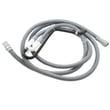
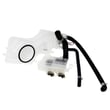
What is the average lifespan of an LG dishwasher?
An LG dishwasher typically lasts 10 to 15 years. With consistent care (cleaning filters, using the right detergent, and fixing small leaks early), many units reach the high end of that range. For model LDS5540BB, follow the maintenance schedule in the LDS5540BB owner's manual.
Typical lifespan and what affects it
Most dishwasher life is determined by heat, water quality, and how hard the wash system has to work.
- Hard water speeds up mineral buildup on the heater and internal passages
- Clogged filters reduce wash pressure and strain the circulation system
- Overloading blocks spray arms and causes repeat washing
- Poor draining leaves soil behind and can lead to odors and pump wear
- Skipping rinse aid can reduce drying performance and leave spotting
Maintenance that extends life (high impact)
These habits protect key components like the circulation pump, heater, and door seals.
- Rinse heavy food scraps off dishes before loading
- Clean the filter area regularly (frequency depends on soil level)
- Run hot water at the sink before starting a cycle (helps cleaning and dissolves detergent)
- Use a dishwasher cleaner periodically to reduce grease and mineral buildup
- Check for small leaks and correct them quickly
Parts that commonly wear over time
If performance drops after years of use, these are common repair areas on many LG dishwashers.
| Symptom | Common cause | Example part for LDS5540BB |
|---|---|---|
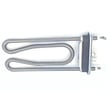
| Not drying well | Heater issue or airflow/vent issue | Dishwasher heating element 5301DD1001G |
| Poor cleaning | Low wash pressure or circulation issue | Dishwasher circulation pump AJH31248608 |
| Leaking or water path issues | Worn seals or gaskets | Dishwasher diverter motor seal 3920ED4009B |
Why it matters
A dishwasher near the 10 to 15 year mark can still be a great candidate for repair if the tub is in good shape and the issue is isolated (like a heater, seal, or rack hardware). Routine cleaning and correct loading reduce repeat cycles, which lowers wear on the motor and pump.
For troubleshooting by symptom and code, we use the LG dishwasher error codes guide.
Last updated: February 2026
What is the most common problem with a LG dishwasher?
For LG dishwashers like model LDS5540BB, the most common problem we see is drainage trouble (standing water at the end of the cycle). It’s usually caused by a clogged filter area, a kinked/blocked drain hose, or a drain path restriction; error codes can help pinpoint the exact cause (see the owner's manual).
Most common issues (and what typically causes them)
- Not draining or standing water: clogged filter/sump area, blocked drain hose, disposal plug not removed (new installs), or a drain pump issue
- Not cleaning well: clogged spray arms, overloaded racks, low water temperature, or circulation/diverter problems
- Not drying: rinse aid empty, wrong cycle/options, or a heating circuit issue (heater, wiring, control)
- Leaks: door seal issues, oversudsing, loose connections, or a leak in the fill or wash system
- Stops mid-cycle or shows an error: water supply problems, drain problems, or motor-related faults
Quick checks we recommend first (10 minutes)
- Cancel/drain the cycle, then check for standing water in the tub.
- Remove and clean the filter area; clear debris from the sump.
- Inspect the drain hose for kinks, crushing, or a high loop problem.
- Confirm the sink drain/disposal is clear and the dishwasher drain connection is not restricted.
- If you’re seeing an error code, match it to the code list in LG dishwasher error codes.
Parts that commonly relate to these symptoms
If cleaning and hose checks do not fix the issue, these model-matched parts are often involved:
| Symptom | Common system involved | Example model-matched part |
|---|---|---|
| Poor drying, cool water | Heating circuit | Dishwasher heating element 5301DD1001G |
| Weak wash, poor cleaning | Wash circulation | Dishwasher circulation pump AJH31248608 |
| Fill problems, odd water level behavior | Water measurement/fill path | Dishwasher flow sensor 6501DD2001A |
Why it matters
Drainage and wash-performance problems tend to snowball: standing water can cause odors and redeposit soil, and weak circulation can leave detergent undissolved. Catching the root cause early helps protect the pump, heater, and racks.
Last updated: February 2026
Is it worth fixing an LG dishwasher?
Yes, it’s usually worth fixing an LG dishwasher like model LDS5540BB when the problem is a common wear item or a single failed part and the total repair cost stays well below the price of a replacement. If multiple major components are failing or the tub is damaged, replacement is the better value. See the owner's manual for model-specific features and operating checks.
A practical repair vs. replace checklist
- Age of the dishwasher: under ~7 years typically favors repair; 10+ years often favors replacement.
- Repair cost rule of thumb: if the repair is under ~50% of replacement cost, repair usually makes sense.
- Type of failure: racks, rollers, seals, and some sensors are usually cost-effective repairs.
- Repeat breakdowns: multiple recent repairs point toward replacement.
- Performance issues: poor cleaning, not drying, or not draining can be simple maintenance or a single-part fix.
Common LDS5540BB repairs that are often “worth it”
These are typical fixes that can restore performance without replacing the whole dishwasher:
| Symptom | Often-related area | Example part for LDS5540BB |
|---|---|---|
| Not drying well | Heater or venting | Dishwasher heating element 5301DD1001G |
| Poor cleaning or weak spray | Circulation system | Dishwasher circulation pump AJH31248608 |
| Leaks around internal water path | Seals and gaskets | Dishwasher diverter motor seal 3920ED4009B |
| Rack won’t roll smoothly | Rack rollers/brackets | Dishwasher dishrack roller, lower 4581DD3003C |
When replacement is the better choice
Replacement is the better value when one or more of these are true:
- The dishwasher is 10 to 15 years old and needs a major repair.
- You have two or more major failures (pump, control, heater, wiring) close together.
- The tub is leaking or badly corroded (a tub issue is rarely cost-effective to repair).
- The repair requires extensive labor and the dishwasher has a history of intermittent problems.
Why it matters
A dishwasher repair is most cost-effective when it restores reliability with one targeted fix (like a heater, seal, or rack hardware). Once you start stacking multiple high-cost parts and labor, the total cost quickly approaches replacement, with no guarantee the next aging component will not fail.
Last updated: February 2026
What are the commonly replaced parts in a dishwasher?
In an LG LDS5540BB dishwasher, the most commonly replaced parts are the ones that wear, leak, or affect heating and water flow, such as rack components, seals, the heating element, and pump-related parts. Replacing the right part restores cleaning, drying, and reliable starting.
Commonly replaced dishwasher parts (and what they affect)
- Heating and drying: a failed heater can leave dishes wet and cycles incomplete (example: dishwasher heating element 5301DD1001G).
- Racks and rack movement: worn rollers or damaged racks cause poor loading and can block spray (examples: dishwasher dishrack roller, lower 4581DD3003C, dishwasher dishrack, lower 3751DD1001J).
- Detergent dispensing: a sticking dispenser can prevent proper wash performance (example: dishwasher dispenser assembly MCU61861001).
- Water fill and measuring: inlet and flow issues can cause underfilling or fill errors (examples: dishwasher water inlet guide assembly 4975DD1001A, dishwasher flow sensor 6501DD2001A).
- Leaks at internal joints: small seals and gaskets can drip over time (examples: dishwasher diverter motor seal 3920ED4009B, dishwasher fill funnel gasket 4986DD3001A).
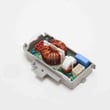
- Noise and electrical interference symptoms: electrical filtering components can fail and cause odd behavior (example: dishwasher noise filter 6201EC1006T).
Quick symptom-to-part checklist
| Symptom | Most common part areas | Example parts for LDS5540BB |
|---|---|---|
| Dishes not drying | Heater, venting | 5301DD1001G, ABT35083801, 4986DD3003A |
| Poor cleaning | Racks blocking spray, dispenser not releasing | 3751DD1001J, MCU61861001 |
| Not filling or fill errors | Inlet path, flow sensing | 4975DD1001A, 6501DD2001A |
| Leaking | Seals, gaskets, door vent area | 3920ED4009B, 4986DD3001A |
| Rack won’t roll smoothly | Rollers, brackets, slide rails | 4581DD3003C, MEG62279201, 5219DD2002A, 5219DD2001A |
Why it matters
Dishwashers rely on correct water level, strong circulation, proper detergent release, and heat. When one wear item fails, you often see “chain reaction” symptoms like cloudy dishes, standing water, or a cycle that stops early.
Best next steps before ordering
- Check for an error code and match it to the failure area using LG dishwasher error codes.
- Confirm the part location and any model-specific notes in the owner's manual.
- Inspect for simple causes first: clogged filter area, blocked spray paths, or a rack that’s off-track.
- If the issue is drying-related, verify you’re using a rinse aid and that the vent area is clear.
Last updated: February 2026