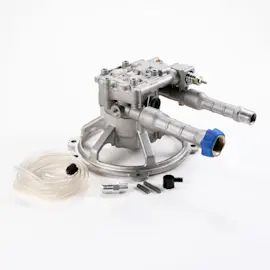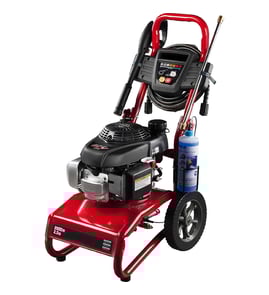

What is the pressure washer DXPW3835?
The Dewalt DXPW3835 is a gas pressure washer model designed for heavy-duty outdoor cleaning. It’s commonly described as a 3800 PSI, 3.5 GPM class machine with a direct-drive gas engine and a triplex-style pump, which is a durable pump design used for higher performance.
These are the key characteristics most owners look for when identifying this model:
- Gas-powered pressure washer (not electric)
- High-pressure, higher-flow “professional” class performance (PSI and GPM)
- Direct-drive pump setup (pump mounts directly to the engine)
- Triplex pump design (typically smoother operation and longer life than wobble-plate pumps)
- Built for tasks like driveways, siding prep, decks, and equipment cleaning
Even when two pressure washers look similar, PSI and GPM change how they feel in real use.
| Spec | What it affects | What you notice while cleaning |
|---|---|---|
| PSI (pressure) | Impact force at the surface | How well it strips stuck-on grime |
| GPM (flow) | Rinsing and “washing away” power | How fast you can flush dirt away |
| Triplex pump | Pump durability and serviceability | More consistent pressure, longer pump life |
| Direct drive | Power transfer and pump speed | Compact design; pump condition matters |
When you’re choosing parts and troubleshooting for the DXPW3835, the pump style (triplex) and drive type (direct drive) guide the most common repairs, such as pressure regulation issues, unloader valve problems, and check valve wear.
- Low or surging pressure: unloader valve, inlet screen, air in supply, worn pump valves
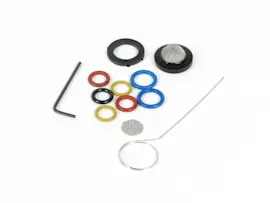
- No soap draw: chemical injector and O-rings
- Water leaking at pump: seals, O-rings, thermal relief valve area
- Engine runs rough: fuel quality, air filter, spark plug, governor/load issues
For repair and identification help, use our DIY content like solving pressure washer problems.
Last updated: February 2026
Does the DeWalt pressure washer use regular 87 gas?
Yes. For the Dewalt DXPW3835 gas pressure washer, we use regular unleaded gasoline; 87 octane is the right choice (anything 86 octane or higher works). Use fresh fuel and the correct oil level to help the engine start easily and run smoothly.
- Use fresh, clean, regular unleaded gasoline (87 octane).
- Avoid old fuel; gasoline that has been sitting for 30 days or more commonly causes hard starting and surging.
- Do not overfill the tank; leave room for expansion.
- Keep water and dirt out of the fuel can and tank.
- If the washer will sit, run it dry or treat fuel with stabilizer before storage.
If your DXPW3835 starts but hunts, surges, or loses power, these checks usually fix it:
- Confirm the choke is fully off after warm-up
- Drain and replace old gas with fresh 87 octane
- Check the air filter for dirt or oil saturation
- Verify the spark plug is clean and properly gapped
- Make sure the pump is primed and you have full water flow (a restricted inlet can load the engine)
For symptom-based steps, use pressure washer engine losing power.
| Fuel question | What to use | Why |
|---|---|---|
| Octane rating | 87 (86+) | Prevents knock and supports normal power |
| Ethanol blend | E10 is common | Works for most small engines when fuel is fresh |
| Storage | Stabilize or drain | Reduces varnish and carburetor clogging |
Using the correct octane and fresh fuel helps prevent carburetor varnish, hard starting, and power loss. It also reduces strain on the unloader valve and pump when the engine is under load.
Last updated: February 2026
What is a good PSI for a gas pressure washer?
A good PSI for a gas pressure washer depends on what you’re cleaning. For typical home use, we recommend about 2,000 to 3,200 PSI; that range handles most driveways, siding, decks, and patio furniture without being unnecessarily aggressive.
- 1,300 to 2,000 PSI: Cars, grills, patio furniture, delicate surfaces
- 2,000 to 3,200 PSI: Most homeowner tasks (concrete, siding, decks)
- 3,200 to 4,000+ PSI: Heavy-duty cleaning (large concrete areas, tough stains, commercial use)
PSI is the “cutting force,” while GPM (gallons per minute) is the “rinsing power.” For faster cleaning, a balanced setup usually beats chasing PSI alone.
| What you want | Prioritize | Why |
|---|---|---|
| Lift stuck-on grime | Higher PSI | More impact at the surface |
| Clean large areas faster | Higher GPM | More water moves dirt away |
| Reduce surface damage risk | Lower PSI + correct tip | Less chance of etching or gouging |
Even with a strong gas model like Dewalt DXPW3835, we recommend controlling “effective pressure” with setup and technique:
- Start with a wider spray tip and step up only if needed
- Keep the nozzle moving; don’t dwell on one spot
- Increase distance from the surface before increasing pressure
- Use detergent/chemical application when appropriate instead of more PSI
- Test on an inconspicuous area first, especially on wood and painted surfaces
Using more PSI than the job needs can etch concrete, shred wood fibers, and force water behind siding. Matching PSI to the task helps you clean faster with fewer repairs and less wear on the pump and unloader system.
For more setup tips that help you get the results you want without overdoing pressure, see choosing the correct spray tip for a pressure washer.
Last updated: February 2026