Owner’s manual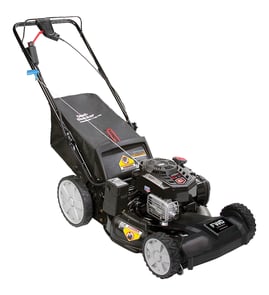




What kind of oil do I put in my Husqvarna lawn mower?
For the Husqvarna LC121FH-96148006100 gas walk-behind mower, use 4-cycle engine oil that meets API service classification SG-SL. Choose the SAE viscosity based on temperature (commonly SAE 30 for warm weather or 5W-30 for colder starts); see the LC121FH-96148006100 owner’s manual for the temperature chart and oil-check steps.
Recommended oil type and viscosity
Use oil that matches both the quality rating and the temperature range.
- Oil type: 4-cycle engine oil (not 2-cycle mix)
- API rating: SG-SL
- Warm weather: SAE 30 is commonly used
- Cooler weather: 5W-30 helps cold starting
- If using multi-viscosity oil above 32°F: check oil level more often because oil consumption can increase
Quick viscosity guide
| Outdoor temperature | Typical choice | Notes |
|---|---|---|
| Above 32°F | SAE 30 | Common for summer mowing |
| Around or below 32°F | 5W-30 | Easier starting in cold weather |
How to check and add oil (best practice)
We recommend checking oil before every start and at least after each 5 hours of continuous use.
- Park the mower on flat ground
- Remove the spark plug lead before opening the oil fill (prevents accidental starting)
- Wipe the dipstick clean, reinstall it fully, then recheck the level
- Add oil slowly and stop at the FULL mark (do not overfill)
- Retighten the dipstick/oil cap before starting
Why it matters
Using the correct oil viscosity and keeping the level at the FULL mark protects the engine from low-oil damage, improves starting, and helps the mower run cooler during heavy cutting.
Last updated: February 2026
What size deck is a Husqvarna LC121FH-96148006100?
The Husqvarna LC121FH-96148006100 is a walk-behind mower that uses a 21-inch cutting deck (the deck is the mower’s cutting width). For the exact cutting-height range and setup details for your mower, follow the LC121FH-96148006100 operator’s manual.
How to confirm deck size on the mower
We recommend verifying the deck size using one of these quick checks:
- Look for a deck-size decal on the mower housing (often near the rear or side of the deck)
- Measure the blade length; a 21-inch deck typically uses a blade close to 21 inches tip-to-tip
- Measure the deck opening across the cutting path (inside edge to inside edge)
- Match the blade part description; this model commonly uses a 21-inch blade such as blade.21.rea 586859604
Measurement tips (so you get an accurate number)
- Remove the spark plug wire before measuring near the blade
- Measure straight across the widest cutting path, not the outermost deck shell
- If the blade is worn or bent, use the deck opening measurement as the tie-breaker
| What you measure | What it tells you | Typical result for this model |
|---|---|---|
| Blade length (tip-to-tip) | Cutting width class | About 21 inches |
| Deck opening width | True cutting path | About 21 inches |
| Outer deck shell width | Overall footprint | Usually larger than 21 inches |
Why it matters
Deck size affects how quickly you can mow, which replacement blade fits, and which maintenance steps apply (blade torque, cleaning, and sharpening). Using the correct 21-inch blade helps cut quality and reduces vibration.
Last updated: February 2026
Is Husqvarna a good brand of mower?
Husqvarna is a strong, well-established mower brand, and the LC121FH-96148006100 is built around the same priorities we see across Husqvarna walk-behind mowers: durable cutting components, practical safety features, and straightforward maintenance when you follow the LC121FH-96148006100 owner's manual.
What “good” means for a walk-behind mower
A mower is a good fit when it matches your yard size, terrain, and how you prefer to maintain equipment.
- Safety-first design: the manual emphasizes using guards and covers, and disconnecting the spark plug wire before adjustments or repairs.
- Solid cutting performance: consistent results depend on a sharp, balanced blade and correct cutting height.
- Serviceability: common wear items (blade hardware, wheels, drive parts) are replaceable.
- Long-term reliability: routine oil and fuel practices matter as much as the brand.
- Support ecosystem: parts availability and clear documentation make ownership easier.
Quick fit check for the LC121FH-96148006100
Use this checklist to decide if this Husqvarna model aligns with your yard.
| Yard condition | What to look for | Why it matters |
|---|---|---|
| Slopes | Avoid very steep slopes; work across the slope | Reduces tip and traction risk |
| Rough ground | Clear sticks, stones, roots before mowing | Prevents blade damage and vibration |
| Bagging needs | Grass catcher condition and fit | Affects cleanup and airflow |
| Drive performance | Smooth self-propel engagement | Helps on thicker grass and longer sessions |
Maintenance that keeps a “good mower” good
These are the habits that most directly protect performance and lifespan.
- Keep the blade sharp; a dull blade tears grass and strains the engine.
- Set cutting height appropriately; avoid scalping.
- Use fresh fuel and correct oil fill practices per the manual.
- Clean the underside of the deck to prevent heavy buildup.
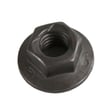
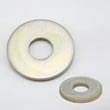
- Replace worn blade hardware when needed; for example, a damaged lock nut like the lawn mower nut 532409149 can lead to loosening and vibration.
Helpful DIY guidance
Why it matters
Brand reputation is helpful, but your real results come from safe operation, correct setup, and consistent upkeep. Following the operator guidance and keeping cutting and drive components in good condition is what delivers clean cuts and dependable starts.
Last updated: February 2026
What is the life expectancy of a Husqvarna riding mower?
A Husqvarna riding mower lasts 15 years. Your model LC121FH-96148006100 is a Husqvarna walk-behind mower, not a riding mower; use the same maintenance basics (oil, blade, fuel, storage) to reach full service life and follow the intervals in the LC121FH-96148006100 owner’s manual.
Typical life expectancy by mower type
Here are the standard expectations for gas mowers when they are maintained and stored correctly:
| Mower type | Typical life expectancy | Common wear points |
|---|---|---|
| Riding mower | 15 years | Deck spindles, belts, steering, transmission |
| Walk-behind gas mower (like LC121FH-96148006100) | 10 to 15 years | Blade, wheels, height adjusters, drive system (if self-propelled) |
Maintenance that gets you to 15 years
We focus on the items that most directly control engine life and cut quality:
- Change engine oil on schedule; keep the oil level correct.
- Use fresh gasoline; stabilize fuel before storage.
- Keep the mower deck clean to prevent rust and airflow restriction.
- Sharpen or replace the blade when dull, nicked, or bent.
- Check fasteners and hardware for looseness; replace worn hardware such as the lawn mower nut 532409149 when needed.
- Disconnect the spark plug wire before maintenance (a key safety step).
Signs the mower is reaching end-of-life
These symptoms usually mean repairs are becoming frequent or expensive:
- Hard starting that returns soon after a tune-up
- Persistent vibration (often blade or blade-mount related)
- Uneven cut that comes back quickly after sharpening
- Repeated drive issues on self-propelled units (slipping or not pulling)
Why it matters
Hitting the expected service life saves money and downtime; a well-maintained Husqvarna mower cuts cleaner, runs cooler, and puts less strain on the engine and drive components.
Last updated: February 2026