Owner’s manual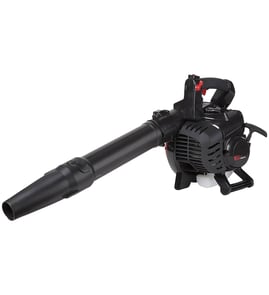





Is it better to have more mph or cfm in a leaf blower?
For a Craftsman gas leaf blower like model 316794000, neither MPH nor CFM is automatically “better”; they measure different performance strengths. Higher CFM moves more leaves at once, while higher MPH helps break loose wet, stuck, or heavy debris. The best choice is the balance that matches your yard and cleanup style.
What CFM vs MPH actually does
- CFM (cubic feet per minute): air volume; best for gathering and pushing piles across open areas
- MPH (miles per hour): air speed; best for dislodging debris from mulch, cracks, and damp turf
- High CFM + moderate MPH: efficient for large, flat driveways and lawns
- Moderate CFM + high MPH: better for stubborn, packed leaves and heavier debris
- Both high: most versatile for mixed conditions
Quick guide: which spec to prioritize
| Your cleanup situation | Prioritize | Why |
|---|---|---|
| Large yard, dry leaves, light debris | Higher CFM | Moves more material per pass |
| Wet leaves, matted grass, pine needles in corners | Higher MPH | Breaks debris loose and lifts it |
| Mixed yard conditions | Balanced CFM and MPH | Handles both piling and dislodging |
How to choose for model 316794000
Use the blower the way it is designed to run (correct choke, throttle position, and tube/nozzle setup) because setup affects real-world performance as much as the rating.
- Confirm the recommended operating and setup details in the 316794000 owner’s manual
- If airflow feels weak, check for common restrictions: clogged intake, blocked tube, or debris at the fan inlet
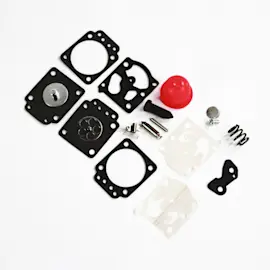
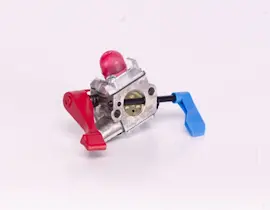
- If the engine runs but power is inconsistent, fuel delivery issues can reduce both MPH and CFM
Why it matters
CFM and MPH are often advertised like a single “power” number, but they solve different problems. Matching the spec to your debris type reduces cleanup time and helps prevent over-revving or forcing the blower to do work it is not suited for.
Last updated: January 2026
What is the life expectancy of a gas leaf blower?
A gas leaf blower like the Craftsman 316794000 typically lasts about 10 years with normal homeowner use and consistent maintenance. Fuel quality, storage habits, and keeping the air and fuel systems clean make the biggest difference in how long the engine and blower housing hold up.
Typical lifespan (what we see most often)
Most gas handheld and backpack blowers fall into these ranges:
| Use pattern | Typical life expectancy | What usually ends it |
|---|---|---|
| Light homeowner use | 8 to 12 years | Fuel system varnish, cracked fuel lines, carb issues |
| Regular seasonal use | 6 to 10 years | Wear in carburetor, ignition, vibration damage |
| Heavy use | 3 to 7 years | Engine wear, overheating, intake leaks |
Maintenance that extends life the most
These steps prevent the most common “won’t start” and “runs rough” failures:
- Use fresh, properly mixed fuel (and don’t store old fuel in the tank)
- Clean or replace the air filter on schedule
- Keep the cooling fins and air passages clear so the engine runs cooler
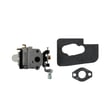
- Inspect for intake air leaks; replace seals as needed (a leaking engine carburetor mount gasket 753-06253 can cause hard starting and poor idle)
- Check fasteners and mounts periodically to reduce vibration-related damage
Storage tips (end-of-season)
Poor storage shortens life faster than hours of use.
- Empty the tank or treat fuel with stabilizer before storage
- Run the engine briefly to reduce fuel left in the carburetor
- Store dry and clean; keep debris out of the intake and blower tube
- Inspect the fuel cap seal and tank area for leaks before the next season
Why it matters
Most “dead” gas blowers are repairable, but the cost and time add up when fuel varnish, air leaks, and vibration damage stack together. A simple maintenance routine helps you avoid carburetor problems, ignition no-starts, and premature engine wear.
For Craftsman 316794000 maintenance intervals and storage steps, follow the 316794000 owner’s manual.
Last updated: January 2026
What is the best gas-powered leaf blower on the market?
The “best” gas-powered leaf blower depends on how you’ll use it: handheld blowers are easier for quick cleanup, while backpack blowers deliver higher airflow for large yards. For a Craftsman blower like model 316794000, we recommend choosing based on CFM/MPH, weight, and serviceable parts support; then compare top brands in the same class.
How to choose the best gas leaf blower
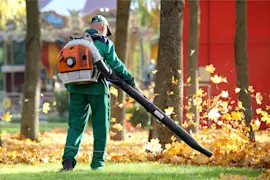
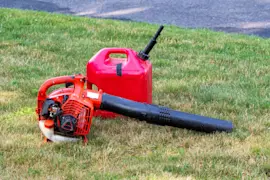
- Type: handheld for driveways and decks; backpack for acreage and heavy leaf loads
- Performance: prioritize higher CFM (volume) for moving piles; higher MPH for lifting wet leaves
- Weight and comfort: padded straps, hip belt, and vibration isolation reduce fatigue
- Starting and controls: easy-start systems and a responsive throttle improve usability
- Maintenance access: easy air filter and spark plug access saves time
- Parts availability: common wear items (fuel system, ignition, tubes) should be easy to source
Quick comparison: handheld vs. backpack
| Feature | Handheld gas blower | Backpack gas blower |
|---|---|---|
| Best for | Small to medium yards | Large yards, long sessions |
| Typical feel | Lighter, more maneuverable | Heavier, but weight is carried on your back |
| Power potential | Moderate to high | High to very high |
| Fatigue | Arm fatigue over time | Less arm fatigue, more overall load |
What “top of the market” usually looks like
Across major brands (Craftsman, Husqvarna, STIHL, ECHO), the best-reviewed gas blowers typically share:
- High airflow paired with stable idle and smooth throttle response
- Durable fuel system components and a well-sealed air intake
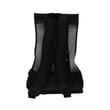
- Comfortable harness design (especially on backpack models)
- Strong dealer and parts support for long-term ownership
Why it matters
A blower that matches your yard size and run time cleans faster, starts more reliably, and costs less to maintain. If your current 316794000 blower is underperforming, issues like air leaks, fuel delivery problems, or restricted exhaust can mimic “low power” even when the engine is basically sound; the 316794000 owner’s manual is the best place to confirm correct fuel mix, starting steps, and maintenance intervals.
Last updated: January 2026