Error Codes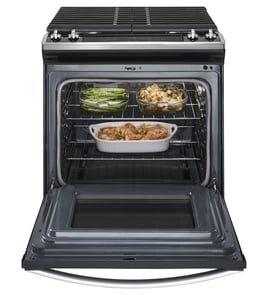




Is GE Profile considered high end?
Yes. GE Profile is generally considered GE’s higher-end mainstream line, positioned above standard GE models with more premium features, finishes, and cooking performance options. Your GE gas range model JGBC20BEW2WH is a standard GE model, not a GE Profile model.
How GE Profile typically compares to standard GE
In most kitchens, GE Profile is the step-up tier that adds convenience and performance features you may not see on entry or mid-level GE ranges.
- More feature-rich controls (timers, cooking modes, and convenience settings)
- More premium styling and finishes (depending on model)
- More cooking performance options (burner output, oven features, or both)
- More “built-in” style design touches (varies by product line)
- Higher typical price point than standard GE
Quick comparison (what “high end” usually means)
| Line | Typical positioning | What you usually get |
|---|---|---|
| GE (standard) | Mainstream | Solid basics, fewer premium features |
| GE Profile | Premium mainstream | More features, upgraded design, higher price |
| Luxury brands (varies) | True high end | Pro-style builds, specialty cooking features, premium materials |
Why it matters when buying parts
Parts are model-specific. Even within GE, a GE Profile range can use different igniters, thermostats, or control components than a standard GE range.
If you are troubleshooting oven ignition or weak heating on JGBC20BEW2WH, a common repair path is checking the hot surface igniter and related gas ignition components. A good example of a model-matched part to start with is the bake burner ignition WB13X40208.
Common signs you may need an oven ignition part
- Oven takes a long time to ignite
- Burner lights late with a “whoosh”
- Oven will not heat but broil may still work
- You smell gas briefly before ignition
Last updated: January 2026
Why are gas stoves being discontinued?
Gas stoves are not universally “discontinued,” but many areas and builders are shifting away from new gas ranges because of indoor air-quality concerns from combustion byproducts and broader energy and emissions goals. Your GE JGBC20BEW2WH gas range can still be repaired and maintained with the right replacement parts.
What’s driving the shift away from gas cooking
Several factors are pushing some markets toward electric or induction cooking:
- Indoor air-quality concerns: gas combustion can produce nitrogen dioxide (NO2) and carbon monoxide (CO), especially with poor ventilation
- Climate and energy policy: reducing fossil-fuel use in buildings can lower greenhouse-gas emissions
- Local building codes: some jurisdictions restrict new natural-gas hookups in new construction
- Builder preferences: all-electric homes can simplify construction and utility planning
- Consumer demand: induction has become more popular due to speed and easier cleanup
What this means for your GE JGBC20BEW2WH
If you already own a gas range, the practical focus is safe operation and keeping it in good repair.
- Always use the range hood or vent fan when cooking
- Keep burner flames steady and blue; yellow flames can indicate an air/fuel issue
- Address ignition problems early to avoid delayed ignition or gas odor
- Replace worn door seals to help the oven heat efficiently
Common repair parts customers replace
| Symptom | Likely area | Example part for this model |
|---|---|---|
| Oven won’t ignite or takes too long to light | Ignition system | Bake burner ignition WB13X40208 |
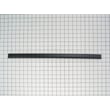
| Heat leaks, uneven baking, hot kitchen | Oven door sealing | Door gasket WB35X29720 |
| Surface burners click or spark issues | Spark/ignition circuit | Range spark module (match by model) |
Why it matters
Good ventilation and timely repairs help your gas range run cleaner, heat more consistently, and reduce nuisance issues like weak ignition, gas smells, or temperature swings.
Last updated: January 2026
What are common problems with GE ranges?
Common problems on the GE JGBC20BEW2WH gas range include surface burners that will not ignite, an oven that will not heat or heats unevenly, weak or no sparking, and heat loss around the oven door. Many of these issues trace back to ignition parts, gas valves, or a worn door seal.
Most common symptoms and likely causes
- Surface burner will not light or keeps clicking: dirty burner ports, moisture, weak spark, or a failing spark system such as the range spark module WB20K5037
- Oven will not heat (bake): weak ignition at the bake burner, often tied to the bake burner ignition WB13X40208
- Oven temperature is inconsistent: a drifting oven thermostat such as the thermostat WB20K8
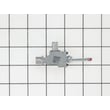
- Smell of gas near a knob or burner: a leaking or sticking surface burner valve such as the valve burner control WB21K12
- Oven door does not seal well: torn or flattened door gasket WB35X29720
Quick checks we recommend before replacing parts
- Confirm gas supply: make sure the shutoff valve is fully open and other gas appliances work.
- Check burner caps: verify caps are seated correctly and ports are clear.
- Listen and look during ignition:
- Surface burners should spark and light within a few seconds.
- Bake should glow at the igniter area and then light the burner.
- Inspect the oven door seal: look for gaps, tears, or hardened sections.
- Rule out simple electrical issues: confirm the range has power (clock/display on) and the cord is secure.
Symptom-to-part guide (for this model)
| Symptom | What it often points to | Example part for JGBC20BEW2WH |
|---|---|---|
| No bake heat | Bake ignition failure | Bake burner ignition WB13X40208 |
| No spark on multiple burners | Spark system issue | Range spark module WB20K5037 |
| Gas smell at a surface knob | Valve leak or sticking | Valve burner control WB21K12 |
| Heat leaking from oven door | Door seal worn | Door gasket WB35X29720 |
Why it matters
Ignition and gas-control problems can prevent safe, reliable lighting, and a poor door seal can cause long preheat times and uneven baking. Addressing the root cause helps protect cooking performance and reduces repeat failures.
Last updated: January 2026
What does F20 mean on a stove?
On a GE gas range like model JGBC20BEW2WH, an F20 (sometimes shown as F2/F20) indicates the oven control is detecting an over-temperature or runaway-heat condition. The range stops normal operation to prevent damage and unsafe temperatures.
What to do right away
- Press CANCEL/OFF and let the oven cool completely.
- If you were using self-clean, keep the door closed until it unlocks and cool-down finishes.
- Do not restart baking until the code clears and the oven is fully cool.
- If you smell gas, turn off the range and ventilate the room.
- If the oven keeps heating while set to OFF, shut off power to the range.
What usually causes an overheat code on a gas range
These are the most common causes we see when an oven overheats or the control thinks it is overheating:
| Likely cause | What you may notice | What typically fixes it |
|---|---|---|
| Temperature regulation problem | Oven temperature runs far hotter than the set point | Check the temperature control circuit; replace the regulating component if it fails testing |
| Stuck or leaking gas control | Oven continues heating when it should cycle off | Diagnose gas valve operation and control signals; replace failed parts |
| Wiring or connector damage | Intermittent codes, random overheating | Repair burned, loose, or shorted wiring |
Parts that can be involved on JGBC20BEW2WH
If your oven is truly overheating (not just displaying a false code), these model-matched parts are commonly checked during diagnosis:
- Thermostat WB20K8 (oven temperature regulation component)
- Bake burner ignition WB13X40208 (ignition system issues can contribute to abnormal heating behavior)
Why it matters
An overheat or runaway-heat condition can damage insulation, wiring, and controls, and it can also create unsafe cooking conditions. Fixing the root cause restores accurate baking temperatures and normal cycling.
Last updated: January 2026