Owner’s manual
 Error Codes



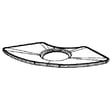
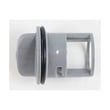
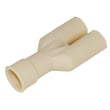
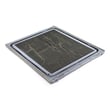

How to fix a20 Fisher and Paykel dishwasher?
On the Fisher & Paykel DD24DAX8-99657-A, an A20 fault points to a drain problem (the dishwasher is not draining). We fix it by clearing the drain path: remove standing water, clean the drain filter and filter plate, and confirm the drain hose and sink connection are not blocked.
Step-by-step: clear the drain blockage
- Turn off power to the dishwasher at the supply (unplug or switch off the breaker).
- Scoop out as much water as you can from the drawer.
- Remove the base rack carefully (lift from the back first to avoid hitting the detergent/rinse aid dispenser).
- Access and clean the drain filter and filter plate (remove debris, rinse, then reinstall with arrows aligned).
- Check the spray arm for debris and make sure it is seated correctly.
- Inspect the drain hose routing under the sink: straighten kinks and clear any clogs.
For the exact removal and refit sequence for the rack, drain filter, filter plate, and spray arm, follow the DD24DAX8-99657-A owner’s manual.
Quick checks under the sink (common A20 causes)
- Garbage disposal inlet: make sure the dishwasher drain port is open (new disposals often have a knockout plug).
- Air gap (if installed): remove the cap and clear buildup.
- High loop: confirm the drain hose is routed up high under the counter to help prevent backflow.
What to expect after cleaning
| What you see | What it usually means | What we do next |
|---|---|---|
| Water drains normally | Blockage was in filter/hose | Run a rinse cycle and recheck |
| Still won’t drain | Hose, air gap, disposal, or pump area still restricted | Recheck hose path and sink connection |
| Drains slowly | Partial clog or heavy soil load | Clean filters again and reduce food debris |
Why it matters
A blocked drain can leave dirty water in the drawer, trigger repeated fault codes, and strain the pump and motor assembly over time. Keeping the drain filter and spray arm clean is the fastest way to prevent repeat A20 drain faults.
Last updated: January 2026
What does A3 mean on my Fisher and Paykel dishwasher?
On the Fisher & Paykel DD24DAX8-99657-A DishDrawer, an A3 fault means the drawer cannot drain, so water is not leaving the tub as expected. In most cases, clearing a blockage in the drain path and then resetting the fault gets the drawer washing again.
What to do right now (safe, quick checks)
- Press Start/Pause once to stop the beeping.
- Note whether the fault is on the top drawer, bottom drawer, or both (drawer indicators can flash red).
- Check for a kinked, pinched, or crushed drain hose behind the unit.
- Check the sink connection or disposer inlet for a clog at the drain connection.
- Remove standing water if needed, then press Start/Pause again to clear the fault and resume.
Drain-path checklist (most common causes)
A3 is almost always caused by a restriction or a drain system issue. Work from easiest to hardest:
- Air gap (if installed): cap off, clean out debris.
- High loop: make sure the drain hose rises up under the counter before dropping to the drain.
- Sink/disposer connection: confirm the inlet is open and not blocked.
- Hose routing: verify the hose is not kinked where the drawer moves.
- Internal obstruction: check for food debris that could be restricting flow.
When a part is likely involved
If the hose and plumbing are clear but A3 returns, the issue is often in the drain system components (pump, seals, or a restriction that keeps re-forming).
| Symptom you notice | What it usually points to | What to check next |
|---|---|---|
| Drawer drains slowly | Partial blockage or kink | Hose routing, high loop, sink connection |
| Loud drain noise, little/no water movement | Drain pump struggling or jammed | Look for debris; consider pump diagnosis |
| Intermittent A3 | Hose pinched during drawer movement | Drawer slide travel and hose slack |
If you need extra drain length for a proper high loop or routing, use the correct extension kit for this model: dishwasher drain hose extension kit 525798.
Why it matters
A drain fault can leave dirty water in the drawer, reduce wash performance, and trigger repeated fault beeps. Fixing the drain path first prevents unnecessary part replacement and helps protect the motor and electronics.
For model-specific fault display behavior and reset steps, follow the troubleshooting flow in the DD24DAX8-99657-A owner's manual.
Last updated: January 2026
Why is my Fisher and Paykel dishwasher not draining?
When a Fisher & Paykel DD24DAX8-99657-A DishDrawer will not drain, the most common causes are a blocked filter plate or drain filter, a kinked or restricted drain hose, or a drain pump impeller jammed by debris. Start with cleaning and correct reassembly, then check the hose routing.
Quick checks that fix most no-drain problems
- Cancel the cycle and remove standing water safely (scoop or use a wet/dry vac if available).
- Remove the filter plate and drain filter, rinse thoroughly, and reinstall them correctly.
- Check the drain hose for kinks, crushing, or a clog at the sink/disposer connection.
- Make sure the drawer closes fully; a partially open drawer can interrupt draining.
- Listen during the drain portion of the cycle: a hum with no water movement often points to a jammed impeller.
What to inspect (and what it usually means)
| What you notice | Likely cause | What to do next |
|---|---|---|
| Water remains, no pump sound | Power/control issue or wiring problem | Check for a fault code and follow the steps in the DD24DAX8-99657-A owner's manual. |
| Pump hums but little or no draining | Debris in pump/impeller area | Clean the filter area again and clear debris around the impeller. |
| Drains slowly | Partial clog or restricted hose routing | Straighten hose, clear the air gap (if used), clean disposer inlet. |
| Leaks while trying to drain | Drain hose connection issue | Re-seat and secure the hose connection to the waste pipe. |
Parts that can be involved
If cleaning and hose checks do not restore draining, a failed pump or a sealing issue can contribute to poor drain performance or water returning to the tub.
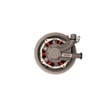
- Dishwasher pump and motor assembly 510922: replaces the drain/recirculation motor assembly when the pump will not move water.
- Seal kit 514231: helps address sealing issues that can lead to leaks or poor water control around the drawer.
- Dishwasher drain hose extension kit 525798: used when the drain hose needs proper length and routing (avoid kinks and sags).
Why it matters
A DishDrawer that cannot drain will often leave dirty water in the tub, reduce wash performance, and can trigger fault behavior. Keeping the filter plate and drain filter clean and correctly installed is one of the best ways to prevent repeat clogs.
Last updated: January 2026
What are the common problems with Fisher Paykel dishwashers?
Common problems on the Fisher & Paykel DD24DAX8-99657-A dishwasher include unclean dishes, water leaking, and a flashing fault code that stops a cycle. Most fixes are basic: correct loading, confirm spray arm rotation, reseat filters, and tighten hose and rinse aid connections; see the DD24DAX8-99657-A owner's manual.
Most common symptoms and likely causes
- Unclean dishes: spray arm blocked, drawer overloaded, filter plate or drain filter not seated, wrong detergent compartment, unsuitable detergent
- Water leaking: drain hose disconnected, inlet hose loose, rinse aid dispenser plug not closed tight
- Beeping with a code: a detected fault; note the code and follow the reset and check steps
- Poor results on baked-on soils: wash program not suited to the load; pre-soak may be needed
Quick checks we recommend first
- Make sure the spray arm spins freely and nothing blocks its path.
- Remove and reinstall the filter plate and drain filter so they seat correctly.
- Put detergent in the correct (typically larger) dispenser compartment.
- Close the rinse aid dispenser plug tight (hand grip vertical).
- Inspect the drain hose and inlet hose connections for looseness or drips.
Troubleshooting by symptom (fast reference)
| Symptom | Most likely cause | First action |
|---|---|---|
| Dishes still dirty | Spray arm blocked or filters not seated | Clear obstructions; reseat filters |
| Water on floor | Hose connection loose or rinse aid plug open | Tighten/reconnect; close plug |
| Beeping with code | Fault condition detected | Note code; follow manual steps |
When a part replacement is more likely
If cleaning stays poor after the checks above, the wash system can be the issue; the dishwasher pump and motor assembly 510922 is a common suspect. If leaking continues after tightening hoses and confirming the plug, inspect seals; a seal kit 514231 can address worn sealing surfaces.
Why it matters
DishDrawer-style units depend on free spray arm movement, correctly seated filters, and tight seals. Small setup or maintenance issues can look like major failures, so these checks often restore normal washing quickly.
Last updated: January 2026