Owner’s manual


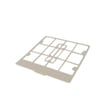

What is the life expectancy of a GE dehumidifier?
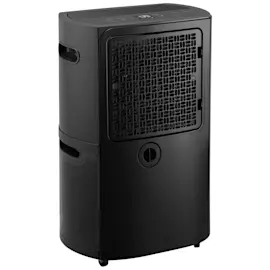
Most residential GE dehumidifiers, including the GE ADEL50LWL1, typically last 5 to 9 years with normal seasonal use and routine care; heavy, continuous operation in very damp spaces can shorten life to 3 to 5 years. Following the cleaning and operating guidance in the GE adel50 owner’s manual helps maximize service life.
| Usage pattern | Typical life expectancy | What usually wears first |
|---|---|---|
| Light, seasonal (basement in summer) | 7 to 10 years | Fan motor, controls |
| Normal household use | 5 to 9 years | Compressor start components, fan |
| Heavy, near-continuous use | 3 to 5 years | Compressor, coils, electronics |
- Clean the air filter regularly; restricted airflow makes the unit work harder (a common cause of poor drying).
- Keep the unit clear of obstructions so air can move freely through the front and back.
- Empty and reseat the bucket correctly; the unit shuts off if the bucket is full or not seated.
- Run the unit continuously for the first 24 hours when you first start using it for the season.
- Use automatic defrost as designed; the compressor cycles off during defrost while the fan runs.
If your filter is damaged or won’t clean up well, replacing it with the correct part for this model (the dehumidifier air filter WK85X21722) helps protect the fan and compressor.
- It runs but removes very little moisture after 24 hours of operation
- Frequent shutoffs not related to a full bucket
- Unusual noise from the fan area
- Frost buildup that happens often in normal room conditions
- Warm air output but little water collected
A dehumidifier that is dirty or airflow-restricted runs hotter and longer, which increases wear on the compressor and electronics. Simple care steps (filter cleaning, good airflow, correct bucket operation) are the most reliable way to get the full expected lifespan.
Last updated: January 2026
How much does it cost to run a dehumidifier 24 hours a day?
Running a GE ADEL50LWL1 dehumidifier 24 hours a day typically costs about $0.70 to $4+ per day (roughly $20 to $120+ per month), depending on your electricity rate and how often the compressor actually runs. Using Nonstop (NS) mode can increase cost because the unit runs continuously until the bucket is full or a drain hose is used (see the ADEL50LWL1 owner's manual).
Use this formula:
- Daily cost = (Watts ÷ 1000) × 24 × (your $/kWh)
- If you do not know the wattage, most residential dehumidifiers are commonly 300 to 700 watts.
| Dehumidifier draw | $0.12/kWh | $0.20/kWh |
|---|---|---|
| 300W | $0.86/day | $1.44/day |
| 500W | $1.44/day | $2.40/day |
| 700W | $2.02/day | $3.36/day |
These factors change how long the compressor runs each day:
- Humidity setpoint: Lower %RH settings run longer; the manual suggests starting around 45% to 50%.
- Nonstop (NS) mode: Runs continuously at maximum dehumidification until the bucket is full or it is draining.
- Room temperature: Moisture removal is best at warmer temps; performance drops in cooler rooms (models are designed to operate above 41°F).
- Airflow and placement: Keep clearance around the unit (the manual shows at least 18 inches).
- Maintenance: A dirty filter restricts airflow and can increase run time; replace the dehumidifier air filter WK85X21722 when it is clogged.
Dehumidifiers are most expensive when they run like a “mini air conditioner” all day. Setting a realistic humidity target (often 45% to 50%), keeping doors and windows closed, and maintaining airflow helps the GE ADEL50LWL1 remove moisture faster and cycle off sooner.
Last updated: January 2026
How many hours a day should you run a dehumidifier?
For the GE ADEL50LWL1 dehumidifier, we run it continuously for the first 24 hours when starting up in a damp space, then let it cycle as needed to hold your target humidity. After the initial dry-down, many homes only need 6 to 12 hours per day, depending on conditions. See the ADEL50LWL1 owner's manual for operating guidance.
- First-time use or after a water event: run 24 hours continuously to pull down moisture.
- Normal maintenance: expect the unit to cycle on and off; total run time is often 6 to 12 hours/day.
- Very damp basements or rainy seasons: it may run most of the day until humidity stabilizes.
- Cool rooms (below about 41°F): moisture removal drops and frost/defrost cycles can increase run time.
- Set a realistic target humidity (many people use 30% to 50% RH).
- Keep doors and windows closed so you are not dehumidifying outdoor air.
- Maintain airflow clearance and avoid blocking the front or back of the unit.
- Clean the filter regularly; a clogged filter restricts airflow and reduces performance.
- If the bucket-full light is on or the bucket is not seated, the unit will shut off.
| Goal | Typical approach | What you should see |
|---|---|---|
| Quick dry-down | Continuous run for 24 hours | Bucket fills faster at first |
| Steady comfort | Let it cycle at your RH setting | Longer off-cycles over time |
| Troubleshooting | Check airflow, filter, bucket, room temp | More consistent water collection |
Running long enough to reach your humidity setpoint prevents musty odors and condensation, but running with restricted airflow or an over-high humidity setting can make it seem like the dehumidifier “never shuts off.” Keeping the filter clean and the bucket seated helps the ADEL50LWL1 work efficiently.
Last updated: January 2026