Owner’s manual
 Error Codes


What is the average lifespan of a Kenmore Elite refrigerator?
Most Kenmore Elite refrigerators, including model 79577564600, typically last 10 to 15 years with normal household use and basic maintenance. Keeping temperatures stable, cleaning condenser coils, and fixing airflow or water leaks quickly are the biggest factors in reaching the high end of that range.
Typical lifespan and what affects it
A refrigerator’s life is usually limited by the sealed cooling system (compressor, refrigerant, and tubing) and by wear items such as fans, switches, and valves.
- 10 to 15 years is the typical lifespan for a modern refrigerator
- Heavy use, hot garages, and dusty homes can shorten lifespan
- Poor door sealing and frequent door openings increase run time
- Clogged coils and restricted airflow can overwork the compressor
- Water leaks can lead to ice buildup, corrosion, and fan problems
Quick maintenance checklist (best ROI)
Use this list to extend the life of your Kenmore Elite bottom-mount refrigerator.
- Vacuum and brush condenser coils regularly (more often with pets)
- Keep door gaskets clean and ensure doors close fully
- Maintain airflow; do not block vents with food packages
- Replace water filters on schedule and flush the dispenser after changes
- Address unusual noises early (often a fan or ice buildup issue)
Common “end-of-life” symptoms vs. fixable issues
| Symptom | Often fixable? | Common area to check |
|---|---|---|
| Warm fridge and freezer, compressor running a lot | Sometimes | Coils, airflow, fans |
| Clicking, then no cooling | Sometimes | Start relay/overload, compressor |
| Frost buildup behind rear panel | Often | Defrost system, door seal |
| Water under crisper or freezer | Often | Drain system |
Why it matters
A refrigerator that runs longer than it should uses more electricity and puts extra stress on the compressor. Simple upkeep and fast troubleshooting can prevent a small airflow or defrost problem from turning into a major cooling-system failure.
For model-specific care and troubleshooting steps, follow the maintenance and troubleshooting sections in the 79577564600 owner's manual.
Last updated: January 2026
What year did the Kenmore Elite come out?
Kenmore Elite launched as a premium Kenmore line in the late 1990s (commonly cited as 1999). For your specific Kenmore Elite refrigerator model 79577564600, the most accurate way to pinpoint its age is to decode the serial number using the date-code guidance in the 79577564600 owner's manual.
How to find the manufacture date for model 79577564600
The “Kenmore Elite” name tells you the product tier, not the exact year your refrigerator was built. Use the serial tag to get the real date.
- Look for the model and serial label inside the fresh food compartment (often on a side wall) or near the door opening.
- Write down the full serial number exactly as shown.
- Check the date-code section in the 79577564600 owner's manual and match your serial format.
- If the label is worn, take a clear photo with the door open and the interior light on.
- Use the decoded date to estimate appliance age and plan maintenance (water filter, door seals, defrost system checks).
Quick timeline: brand line vs. your refrigerator
| What you are asking about | What it tells you | What it does not tell you |
|---|---|---|
| “When did Kenmore Elite come out?” | When the Elite branding started (late 1990s) | The build year of model 79577564600 |
| “How old is my 79577564600?” | Your refrigerator’s manufacture timeframe | Nothing without the serial number |
Why it matters
Knowing the build year helps us match the right parts and troubleshooting steps for your Kenmore Elite 79577564600, especially for common age-related issues like water leaks, door switch wear, and defrost performance.
If you are also seeing an error code on the display, use the Kenmore 795 model bottom freezer refrigerator error codes guide to narrow the cause before replacing parts.
Last updated: January 2026
What size is Kenmore refrigerator model 79577564600?
The Kenmore Elite 79577564600 is a bottom-freezer refrigerator; most units in this class are about 33 inches wide, 30 to 34 inches deep, and 67 to 70 inches tall. For the exact cabinet and door-swing clearances for your specific configuration, use the 79577564600 owner's manual.
How to measure your refrigerator correctly
Measure with a tape measure in three places, then use the largest number.
- Width: left cabinet side to right cabinet side (do not include the door handles unless you need total clearance)
- Height: floor to top of hinge cover (or highest point)
- Depth: back of cabinet to front edge of doors (and separately to the front of handles)
- Door swing clearance: space needed for doors and pull-out freezer drawer to open fully
- Ventilation clearance: space behind and above the cabinet for airflow
Typical size ranges (what you should expect)
These are common dimensions for Kenmore 795-series style bottom-freezer refrigerators.
| Measurement | Typical range | What can change it |
|---|---|---|
| Width | 32 to 34 in. | cabinet design, door style |
| Height | 67 to 70 in. | hinge cover, leveling legs |
| Depth | 30 to 34 in. | doors, handles, spacing to wall |
Why it matters
Getting the size right prevents installation problems like doors hitting walls, the freezer drawer not clearing an island, or poor cooling from restricted airflow. It also helps you plan water line routing if you have an ice maker.
Quick tip for installation planning
- Level the refrigerator first; leveling can slightly change measured height
- Confirm you can remove doors if needed to fit through a doorway
- Leave extra depth if you have a water line behind the unit
Last updated: January 2026
What are the common problems with Kenmore Elite refrigerators?
Common problems on the Kenmore Elite 79577564600 bottom-mount refrigerator include weak or no cooling, frost buildup in the freezer, water leaks (often from a clogged defrost drain), and ice maker issues like slow production or bad-tasting ice. Many fixes start with cleaning, leveling, and checking airflow and door sealing; see the 79577564600 owner's manual for model-specific troubleshooting steps.
Most common symptoms and what they usually point to
- Not cooling or warm temperatures: restricted airflow, dirty condenser area, or a failed fan motor
- Frost or ice crystals on frozen food: door not closing fully or frequent door openings
- Water puddles or leaks: blocked drain path or a cracked/loose drain tube
- Ice maker slow or not making ice: freezer not cold enough, door left open, or water supply restriction
- Off-taste or odor in ice: new installation, old ice, or odors migrating from unwrapped food
Quick checks we recommend before replacing parts
- Confirm doors close and seal fully; warm, humid air causes frost and temperature swings.
- Set temperatures correctly and allow 24 hours after changes or hookup for ice production.
- Clean sticky gaskets and the surfaces they touch; a thin coat of wax helps prevent sticking.
- Level the refrigerator if it wobbles; misleveling can affect door alignment and sealing.
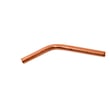
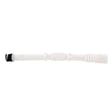
- If you see water under the unit or in the freezer, inspect the drain path and consider replacing the refrigerator drain tube 5251JA3003D if it is damaged.
Common problem-to-part examples (when a part is actually needed)
| Symptom | Common culprit | Example part for this model |
|---|---|---|
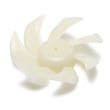
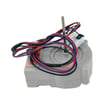
| Warm fridge, noisy airflow area | Evaporator fan not running | Refrigerator evaporator fan motor 4681JB1027C |
| Heavy frost, poor cooling | Defrost system issue | Lg refrigerator defrost heater 5300JK1005D |
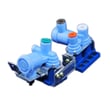
| Ice maker not filling with water | Water inlet valve problem | Refrigerator ice maker water inlet valve 5221JB2006K |
Why it matters
Cooling, frost control, and ice maker performance are tightly connected. A door that does not seal, a fan that is not moving air, or a drain that is blocked can quickly lead to spoiled food, ice buildup, and leaks.
Last updated: January 2026