


What is the E1 code on a GE dishwasher?
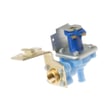
On a GE dishwasher like model GSM507L-01, an E1 error commonly points to a water fill problem (the dishwasher is not filling correctly). The most frequent causes are a restricted water supply, a stuck float, or a failing water inlet valve such as the dishwasher water inlet valve WD15X93.
What to check first (fast, no parts)
- Make sure the shutoff valve under the sink is fully open.
- Confirm the supply line is not kinked or crushed.
- Check that the dishwasher door closes firmly; a door switch issue can stop filling.
- Lift and release the float inside the tub; it should move freely and click.
- Cancel and restart the cycle after correcting anything obvious.
Likely causes and what they mean
| What you notice | Most likely cause | What we recommend |
|---|---|---|
| No water sound at start | Water supply off or line kinked | Restore water flow, then retry |
| Brief fill then stops | Float stuck up or float switch issue | Free the float; inspect switch |
| Hums but won’t fill | Inlet valve not opening | Replace the dishwasher water inlet valve WD15X93 |
| Intermittent fill issues | Door not latching or switch problem | Inspect/replace the interlock WD21X10261 |
When a part replacement is the right fix
Replace the inlet valve when water supply is good and the float moves freely, but the unit still will not fill or fills very slowly. On GSM507L-01, the inlet valve controls water entering the dishwasher; when it sticks or fails electrically, the control can trigger an E1-style fill error.
Why it matters
A fill error stops washing performance immediately and can leave detergent undissolved. Fixing the water supply or replacing the correct GE dishwasher part prevents repeat shutdowns and protects the pump and motor from running without proper water flow.
Related help: GE dishwasher error codes
Last updated: February 2026
How to remove the filter and spinner on GE dishwasher?
On the GE GSM507L-01 dishwasher, we remove the lower spray arm (spinner) first, then lift out the coarse filter and any sump screen pieces underneath. This gives you access to trapped debris that can cause poor cleaning or draining.
Before you start (safety and prep)
- Turn off power at the breaker; dishwashers can start unexpectedly.
- Let the unit cool if it just ran a heated cycle.
- Pull out the lower rack for clear access.
- Keep a towel handy; a little water in the sump is normal.
- Take a quick photo of the parts stack so reassembly is easy.
Steps to remove the spinner and filters
- Remove the lower spray arm (spinner): Most GE designs use a center hub that either twists off (quarter turn) or releases with a retaining nut. Lift the spray arm straight up once released.
- Lift out the coarse filter/screen: If your model has a coarse filter screen, pull it up and out. Some versions have a plastic reservoir style piece that releases when you squeeze tabs and wiggle it free.
- Clear the sump area: Remove food, glass, labels, and bone fragments. Check that the drain opening is not blocked.
- Rinse and brush: Rinse filters under hot water; use a soft brush to clear mesh and spray arm holes.
- Reinstall in reverse order: Seat the filter flat, then reinstall the spray arm and confirm it spins freely by hand.
Quick troubleshooting while you are in there
- If the dishwasher is not draining well, check the drain path and consider the dishwasher not draining video.
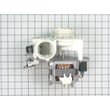
- If the unit is not cleaning well after filter cleaning, inspect wash circulation; a weak wash can point to the asm mech WD26X10013 (pump and motor assembly).
- If the dishwasher is not filling properly, use the dishwasher not filling video and inspect the dishwasher water inlet valve WD15X93.
What you should see (normal vs. problem)
| Checkpoint | Normal | Problem sign |
|---|---|---|
| Spray arm | Spins freely, holes clear | Cracked arm, clogged jets |
| Coarse filter/screen | Sits flat, not warped | Heavy grease, torn mesh |
| Sump area | Small amount of water | Standing water with debris |
Why it matters
A clogged filter or blocked spray arm reduces water flow, which leads to dirty dishes, odors, and can contribute to drain issues. Cleaning these parts regularly helps the GE dishwasher maintain proper wash pressure and drainage.
Last updated: February 2026
Can I replace dishwasher parts myself?
Yes, for the GE GSM507L-01 dishwasher, we recommend DIY replacement for many common wear parts if you can safely shut off power and water and work carefully. Jobs involving wiring, leaks, or the wash/drain system take more skill, but they are still doable with the right prep and parts.
Good DIY repairs vs. better-for-a-pro repairs
Many repairs are straightforward because they involve accessible hardware and simple fit-up.
- Good DIY candidates: rack rollers, door cable, detergent dispenser small parts, tub baffles
- More advanced DIY: water inlet valve, door switch, drain solenoid
- Often best for a technician: pump and motor replacement, persistent leaks you cannot pinpoint, repeated electrical failures
Here are model-matched examples of DIY-friendly parts:
- Dishwasher dishrack roller and stud, upper, 4-pack WD12X10327
- Dishwasher door cable WD7X14
- Dishwasher tub corner baffle, right WD8X227
Safety checklist before you start
Dishwashers combine electricity and water, so setup matters as much as the repair.
- Turn off power at the breaker (do not rely only on the door switch)
- Shut off the dishwasher water supply valve
- Pull the unit only as far as needed; protect the floor and water line
- Take photos of wire locations and hose routing before disconnecting anything
- Check for sharp edges around the frame and panels
Quick “is this repair worth DIY?” guide
| What you’re replacing | Typical DIY difficulty | Common symptom |
|---|---|---|
| Rack rollers | Easy | Rack falls off track, rough rolling |
| Door switch | Medium | Won’t start when door is closed |
| Water inlet valve | Medium | Not filling or fills slowly |
| Pump and motor | Hard | No wash action, loud grinding, poor circulation |
If you’re chasing a “won’t start” or “won’t run” problem, we also use error-code and symptom checks to avoid replacing the wrong part.
Why it matters
Choosing the right DIY level helps prevent leaks, repeat failures, and unnecessary part returns. A simple mechanical fix (like rollers or a door cable) can restore normal operation quickly, while wash-system repairs often require careful sealing and alignment.
Related troubleshooting help: dishwasher wont start video, GE dishwasher error codes.
Last updated: February 2026
What are the commonly replaced parts in a dishwasher?
In a GE dishwasher like model GSM507L-01, the most commonly replaced parts are the water-fill and wash/drain components (valves, switches, pump and motor), plus wear items such as rack rollers, door seals, and detergent dispenser pieces. These parts typically fail from normal wear, mineral buildup, clogs, or leaks.
Most common dishwasher parts that get replaced
These are the parts we see replaced most often because they directly affect filling, washing, draining, and sealing:
- Water inlet valve (dishwasher won’t fill or fills slowly)
- Pump and motor assembly (poor cleaning, loud grinding, no circulation)
- Drain components (won’t drain, standing water)
- Door switch/interlock (won’t start or stops mid-cycle)
- Door seal and tub baffles (leaks at the door corners)
- Rack rollers and slide rails (rack falls off track, hard to roll)
- Detergent dispenser small parts (cup won’t open or won’t latch)
Model GSM507L-01 examples from our parts list
Here are a few common replacements that match this GE model:
| Symptom | Likely part to check | Example part for GSM507L-01 |
|---|---|---|
| Won’t fill or fills very slowly | Water inlet valve | Dishwasher water inlet valve WD15X93 |
| Won’t start or stops when door moves | Door switch/interlock | Interlock WD21X10261 |
| Leaks at the door | Door seal | Dishwasher door seal WD8X229 |
| Poor wash, loud motor, no circulation | Pump and motor | Asm mech WD26X10013 |
Quick troubleshooting before you buy a part
We recommend these fast checks first because they solve many “bad part” symptoms:
- Clean the sump area and remove debris that can block flow.
- Confirm the float moves freely; a stuck float can prevent filling.
- Check the door closes firmly; a weak latch or misalignment can stop the cycle.
- Inspect spray paths for obstructions from tall items.
- Run hot water at the sink before starting to improve wash performance.
Why it matters
Dishwashers rely on correct water level, strong circulation, and a tight door seal. When one of those basics is off, you can get common complaints like not cleaning, not draining, leaking, or not starting. For code-related issues on GE units, we use GE dishwasher error codes to narrow the problem to a specific circuit or component.
Last updated: February 2026





