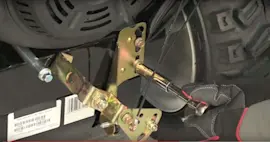
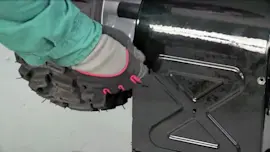
Owner’s manual
 View engine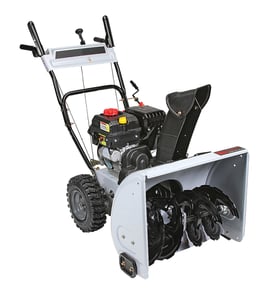


What is the typical lifespan of a gas snowblower?
For the MTD gas snow thrower model 31AH6ZFH500, a typical lifespan is about 7 years or roughly 60 operating hours under normal homeowner use, then it should be inspected annually for wear and safe operation. With consistent maintenance and proper storage, many gas snowblowers can run longer.
What “lifespan” means for a gas snowblower
Manufacturers often define useful life by hours of operation as much as calendar years. For this model, the operator guidance calls out an average useful life of 7 years or 60 hours, which is a practical benchmark for planning maintenance and parts replacement. See the 31AH6ZFH500 owner's manual.
How to make a gas snowblower last longer
We see the longest-running machines get routine maintenance and off-season care.
- Change engine oil on schedule and use the correct oil type for winter temperatures.
- Use fresh fuel; add fuel stabilizer before storage.
- Clear snow from the housing after use to help prevent freeze-up.
- Inspect fuel lines, tank, cap, and fittings for cracks or leaks.
- Lubricate moving parts (especially the drive/gear shaft) at least once per season.
- Replace wear items early (skid shoes, shave plate, belts, shear pins).
Common wear items that affect longevity
| Wear item | What it impacts | Typical symptom when worn |
|---|---|---|
| Shear pins | Protects auger gearbox | Auger stops turning after hitting an object |
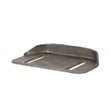
| Skid shoes / shave plate | Scraping height and housing protection | Poor scraping, excessive housing wear |
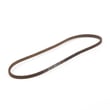
| Drive belt / friction drive | Forward and reverse drive | Slipping, weak drive, inconsistent speeds |
| Cables and controls | Engagement and safety | Controls feel stiff, do not return smoothly |
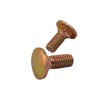
If you need shear pins for this model, use the correct OEM-style part such as craftsman snowblower shear pin 738-04124A.
Why it matters
Using the useful-life guideline helps prevent unexpected breakdowns during storms and reduces the chance of damage to high-cost components like the auger gearbox and drive system.
Last updated: January 2026
What is better, a 2 stage or 3 stage snow blower?
For the MTD 31AH6ZFH500, a 2-stage snow thrower is the right choice for most homeowners because it handles moderate to heavy snow well with fewer moving parts and simpler maintenance. A 3-stage machine is better when you regularly face deep, wet, or icy snow and want faster intake on large areas.
Quick comparison: 2-stage vs 3-stage
| Feature | 2-stage snowblower | 3-stage snowblower |
|---|---|---|
| Best for | Typical driveways; moderate to heavy snow | Deep, wet, icy snow; large properties |
| Snow intake | Auger feeds impeller | Accelerator (front auger) plus auger plus impeller |
| Clearing speed | Strong, steady | Faster in tough, packed conditions |
| Complexity | Lower | Higher |
| Maintenance | Generally simpler | More components to inspect and adjust |
How to decide for your driveway
Choose 2-stage if most of these are true:
- Snowfall is usually under about 12 to 18 inches per storm
- You clear a standard driveway and sidewalks
- You want easier upkeep (belts, cables, shear pins)
- You deal with mixed surfaces (pavement and some gravel)
Choose 3-stage if most of these are true:
- You often hit heavy plow berms, wet snow, or icy chunks
- Drifts are common and deep
- You clear a long driveway or wide area and want faster throughput
- You are comfortable with more adjustments and parts
Why it matters (performance and upkeep)
A 2-stage design like the 31AH6ZFH500 is built around reliable auger and impeller operation, plus routine adjustments and wear-part replacement. For example, the manual calls out checking auger control cable slack and confirming the auger fully stops after disengaging, which is key for safe operation and consistent throwing performance. Use the 31AH6ZFH500 owner's manual for the exact adjustment procedure and seasonal checks.
Maintenance tip that applies to both
Shear pins protect the auger gearbox when you hit a hidden object. Keep spares on hand and replace any broken pins with the correct type, such as the craftsman snowblower shear pin 738-04124A.
Last updated: January 2026
What are common gas snow blower problems?
Common problems on the MTD snow thrower model 31AH6ZFH500 include a no-start condition (often stale fuel, choke/prime setup, or spark issues), rough running or surging (fuel contamination or carburetor adjustment), loss of drive (drive belt/cable or friction wheel wear), and poor snow discharge (clogged chute or auger issues). For model-specific procedures and safety steps, use the 31AH6ZFH500 owner's manual.
Most common symptoms and likely causes
- Engine won’t start: choke not set, spark plug wire disconnected, empty or stale fuel, not primed, faulty spark plug, key not installed
- Engine surges or runs erratically: running on choke, stale fuel, water or dirt in fuel system, carburetor out of adjustment
- Unit won’t propel: drive control cable needs adjustment, drive belt loose or damaged, friction wheel worn
- Won’t throw snow well: chute assembly clogged, foreign object lodged in auger, auger control cable needs adjustment, auger belt loose
- Excessive vibration: loose parts or damaged auger
Quick checks we recommend (before replacing parts)
- Move the machine outdoors; let the muffler and engine cool before touching components.
- Confirm the spark plug wire is firmly connected.
- Drain old fuel and refill with fresh fuel; stale fuel commonly causes no-start and surging.
- Verify the choke and prime procedure matches the manual.
- Inspect the discharge chute for blockage; never use your hand.
Safe chute-clearing steps (important)
- Shut the engine off.
- Wait 10 seconds for the impeller to stop.
- Use a clean-out tool, not your hands.
When a part is commonly involved
| Symptom | Common adjustment/part area | Example part for this model |
|---|---|---|
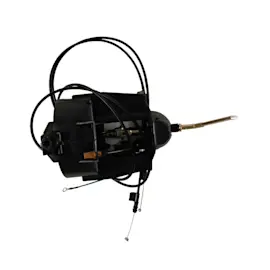
| Auger won’t engage | Auger control cable, belt, shear pins | Snowblower auger clutch cable 746-04230 |
| Poor snow discharge | Clogged chute, auger obstruction, shear pins | Craftsman snowblower shear pin 738-04124A |
| Won’t propel | Drive belt, friction wheel, drive cable adjustment | Snowblower friction wheel assembly 684-04360 |
Why it matters
Fixing fuel, belt/cable, and chute issues early helps the snowblower run safely and prevents secondary damage such as friction wheel wear and auger/drive system strain.
Last updated: January 2026
Is it worth fixing an old snowblower?
Yes; it’s worth fixing an older MTD snow thrower like model 31AH6ZFH500 when the issue is a normal wear item (shear pins, skid shoes, cables) and the engine still starts and the drive system works. Those repairs typically cost far less than replacing the machine.
Quick way we decide: repair vs replace
- Repair when it starts reliably and the problem is isolated (for example, augers stop after hitting ice or debris).
- Repair when the fix is routine maintenance: shear pins, skid shoes, lubrication, cable adjustment.
- Replace when the engine has major internal damage or the unit stays unreliable after basic tune-up and wear-part replacement.
High-value repairs that commonly pay off on 31AH6ZFH500
- Replace broken auger shear pins with the correct OEM style (this protects the auger gearbox).
- Replace worn skid shoes to restore scraping height and protect the auger housing.
- Adjust or replace engagement cables if the auger or drive does not fully engage.
- Lubricate the drive hex shaft at least once per season or every 25 hours of use.
| Symptom | Likely cause | Repair difficulty |
|---|---|---|
| Augers won’t turn | Shear pins sheared after impact | Easy |
| Poor scraping or housing drags | Skid shoes worn | Easy |
| Won’t drive with drive engaged | Friction wheel worn or cracked | Moderate to advanced |
| Weak auger engagement | Cable out of adjustment or stretched | Easy to moderate |
Parts that often make repair economical
- Craftsman snowblower shear pin 738-04124A
- MTD snowblower skid shoe 731-06439
- Snowblower auger clutch cable 946-04230b
Why it matters
Fixing wear parts restores throwing and traction performance and prevents expensive damage. For example, using the correct shear pins is designed to fail first and help protect the auger gearbox.
For model-specific procedures and maintenance intervals, use the 31AH6ZFH500 owner's manual.
Last updated: January 2026