Owner’s manual



How to find riding lawn mower model number?
On a Craftsman rear-engine riding mower like model 917277730, the model number is typically printed on an ID label attached to the frame or under the seat area. We use that exact model number to match the correct parts diagrams, operator information, and service procedures in the 917277730 owner's manual.
Common places to check on a riding mower
Look for a sticker or metal tag on a flat surface that is easy to read when the mower is parked:
- Under the seat (seat pan area) or on the seat support
- On the rear frame near the wheels
- On the right or left side of the frame rail
- Near the engine area (on or near the engine shroud, depending on design)
- Near the cutting deck area (some models place labels close to the deck mounting points)
What the label usually includes
Most Craftsman mower ID labels include more than one identifier. Use the model number first when ordering parts.
| Label item | What it’s used for | Example format |
|---|---|---|
| Model number | Finds the correct parts list and diagrams | 917.XXXXXX or 917XXXXXX |
| Serial number | Identifies the production run | Letters and numbers |
| Engine model/type/code | Used for engine-specific parts | Varies by engine brand |
Tips to read the tag accurately
A single wrong digit can pull up the wrong parts list, especially for electrical and deck-drive components.
- Wipe the label clean and use a flashlight to read faded print
- Write the number exactly as shown (include any leading zeros)
- Take a photo before ordering parts
- If the label is missing, use the parts diagrams and the how to find your appliance model number (and what it means for parts) guide to confirm what you have
Why it matters
The model number ties your mower to the correct safety information, maintenance intervals, and service details (for example, the operator manual explains controls like the blade switch and service meter). Using the right model number helps prevent ordering the wrong belt-drive, PTO, or steering parts.
Last updated: January 2026
Is it worth replacing a lawn mower engine?
Yes, replacing the engine on your Craftsman riding mower model 917277730 is worth it when the chassis, mower deck, steering, and safety systems are in good shape and the total engine swap cost stays well below the cost of a comparable replacement mower. Use the 917277730 owner's manual to confirm safe service practices and inspection points before you invest.
When engine replacement makes sense
We recommend an engine replacement when the rest of the mower is solid and you want to extend the machine’s life.
- The mower deck is structurally sound (no major cracks or severe rust-through)
- The transaxle drives smoothly and the bypass linkages operate correctly
- The safety interlock system works (seat switch, brake switch, blade/PTO logic)
- You can complete routine maintenance and inspections (loose hardware, leaks, belts)
- The replacement engine (or short block) plus labor is clearly less than a new mower
When buying a new mower is the better value
If multiple major systems are worn out, an engine swap can turn into a full rebuild.
- Deck shell is damaged and would also need replacement
- Transaxle is weak, noisy, or slipping under load
- Wiring is brittle or hacked, causing repeated no-start or charging issues
- You need several high-cost parts at the same time (engine, clutch, steering, tires)
Cost rule of thumb (quick comparison)
Use this simple decision guide to keep the project economical.
| If your total engine swap cost is… | Typical recommendation |
|---|---|
| Under ~40% of a comparable new mower | Replace the engine |
| ~40% to 60% | Replace only if the mower is otherwise excellent |
| Over ~60% | Replace the mower |
Why it matters
A rear-engine riding mower like the Craftsman 917277730 is only safe and enjoyable to use when the safety system works and the machine is maintained. The manual calls out routine inspections (leaks, loose hardware, belts, battery connections) and safe service steps like engaging the park brake before service. Those checks help you avoid spending money on an engine when another system is already near end-of-life.
Before you decide: 5 checks we use
- Verify the engine stops when safety conditions are not met (seat and brake interlocks)
- Inspect for fuel and oil leaks and correct them first
- Check deck condition and blade hardware; use correct-grade fasteners
- Confirm the mower drives properly and does not require transaxle repair
- Review maintenance and storage practices (oil changes, stabilizer use)
Last updated: January 2026
What replacement parts are most commonly needed for the 917277730?
For the Craftsman 917277730 rear-engine riding mower, the most commonly needed replacement parts are the wear items and the parts tied to starting, blade engagement, and drive performance. Use the diagrams and maintenance schedule in the 917277730 operator’s manual to match the exact part to your mower’s configuration.
Commonly replaced parts for this model
These are the parts we see customers replace most often on riding mowers like the Craftsman 917277730:
- Drive belt (loss of drive, slipping, squealing)
- PTO and blade engagement parts (deck will not engage or cuts out)
- Starting and electrical parts (no crank, intermittent crank)
- Fuel system rubber parts (leaks, fuel smell, hard starting)
- Deck hardware and wear hardware (loose components, vibration)
Parts on this page that match those common needs
Here are examples of frequently purchased parts available for model 917277730:
- Lawn tractor ground drive belt, 1/2 x 56-5/16-in 539110411 (drive slipping or no movement)
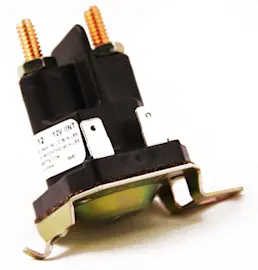
- Lawn tractor starter solenoid 582042802 (key turns but starter does not crank)
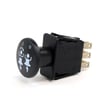
- Switch.pto.8 582107601 (blades will not engage)
- Husqvarna lawn tractor electric clutch 587241601 (PTO engages inconsistently or not at all)
- Fuel tank assembly 589926101 and husqvarna lawn tractor fuel tank grommet 539105245 (fuel seepage at tank fittings)
Quick symptom-to-part guide
| Symptom | Most likely part category | Example part on this page |
|---|---|---|
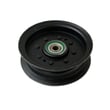
| Mower will not move or slips under load | Ground drive belt, idlers | 539110411, 532196104 |
| No crank or clicks only | Solenoid, wiring, battery connections | 582042802 |
| Blades will not engage | PTO switch, electric clutch | 582107601, 587241601 |
| Fuel leak or fuel odor | Tank, grommets, fittings | 589926101, 539105245 |
Why it matters
The operator’s manual notes that belts, blades, spark plugs, and filters are normal wear items, and it also emphasizes correct hardware and torque for safe cutting performance (for example, blade bolt torque is specified). Replacing worn parts early helps prevent secondary damage to pulleys, spindles, and the transaxle.
Last updated: March 2026