Installation guide
 Owner’s manual



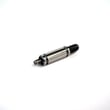

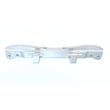
Can I search for Whirlpool parts by model?
Yes. For Whirlpool dryer model WED9290FW0, searching by the full model number is the most reliable way to get compatible replacement parts because it filters results to the exact diagrams and part listings built for your dryer.
How to search by model number (best practice)
- Use the complete model number: WED9290FW0 (letters and numbers matter).
- Match the model number from the dryer’s ID tag, not just the series name.
- Use the parts diagram sections to narrow down the exact location (drum, motor, controls, etc.).
- Cross-check the part description and where it installs before ordering.
- Confirm your dryer’s power type and configuration during installation steps in the installation guide.
Common parts people find faster when searching by model
If you are troubleshooting noise, poor drying, or a drum that will not turn, model-based search helps you land on the right wear items quickly:
| Symptom | Common part to check | Example part for WED9290FW0 |
|---|---|---|
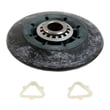
| Squealing, thumping, rumbling | Drum support rollers, idler pulley | Dryer drum support roller WPW10314173 |
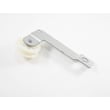
| Drum not turning | Belt path components, idler pulley | Dryer idler pulley W10837240 |
| Auto cycles end too soon or run too long | Moisture sensing circuit | Dryer moisture sensor WP3387223 |
Why it matters
Whirlpool often uses similar-looking parts across different dryers, but mounting points, wiring connectors, and kit contents can vary by model. Searching by WED9290FW0 reduces returns and helps ensure the part fits and functions correctly.
Quick tip for accuracy
Use the WED9290FW0 owner’s manual to confirm control settings and cycle behavior before replacing parts; a clogged lint screen, restricted airflow, or incorrect cycle selection can mimic a failed component.
Last updated: February 2026
What's the life expectancy of a whirlpool duet dryer?
A Whirlpool Duet dryer like model WED9290FW0 typically lasts about 10 years with normal household use. With consistent vent cleaning, correct loading, and timely replacement of wear parts, many dryers reach 12 to 15 years before major repairs become common.
Typical lifespan ranges
Most Whirlpool electric dryers fall into these real-world ranges:
- 8 to 10 years: heavy use (large family, multiple loads daily)
- 10 to 12 years: average use (steady weekly laundry)
- 12 to 15 years: lighter use plus good maintenance
- 15+ years: possible when airflow stays strong and wear parts are serviced early
What shortens (or extends) dryer life
Airflow and friction are the two biggest drivers of dryer wear. Focus on these items:
- Clean the lint screen every load and keep the exhaust vent clear
- Avoid overloading; it strains the motor, belt, and drum support system
- Stop using the dryer if you hear squealing or thumping; worn rollers can damage the drum
- Keep cycles matched to fabric type; excessive heat accelerates component aging
- Follow the maintenance schedule in the WED9290FW0 owner's manual
Parts that commonly wear out first
If your WED9290FW0 is getting noisy, taking longer to dry, or stopping mid-cycle, these parts are frequent culprits:
- Dryer drum support roller WPW10314173
- Dryer idler pulley W10837240
- Dryer thermistor WP8577274
- Dryer moisture sensor WP3387223
Quick symptom-to-part guide
| Symptom | Most common cause | Example part for WED9290FW0 |
|---|---|---|
| Squealing or chirping | Idler pulley or rollers | W10837240, WPW10314173 |
| Thumping | Flat-spotted roller | WPW10314173 |
| Overdrying or underdrying | Moisture sensor issue | WP3387223 |
| Temperature swings | Thermistor drifting | WP8577274 |
Why it matters
Knowing the expected life helps you decide whether to maintain, repair, or replace. A simple wear-part repair can restore quiet operation and efficient drying, which reduces run time and stress on the motor and drum.
Last updated: February 2026
What are the common problems with Whirlpool dryers?
Common Whirlpool dryer problems (including model WED9290FW0) are no power or no start, the drum not tumbling, poor drying or long dry times, unusual noises, and heat or temperature issues. We use the symptoms to narrow the cause, then confirm with the checks in the WED9290FW0 owner's manual.
Most common symptoms and what they usually mean
- Won’t start: power supply issue, door switch not closing, control setting issue, or a failed motor circuit
- Drum won’t spin: worn belt, seized roller, or a binding idler pulley
- Takes too long to dry: restricted airflow (lint screen, duct, vent hood), overloaded drum, or moisture sensing issue
- No heat or weak heat: heating circuit problem (electric models), temperature sensing issue, or airflow restriction
- Squealing, thumping, or grinding: worn drum support rollers or an idler pulley starting to seize
Quick checks we recommend first (fast and safe)
- Clean the lint screen and confirm strong airflow at the outside vent.
- Verify power: most electric dryers need full 240V; a tripped breaker can leave the dryer running but not heating.
- Confirm settings: try a timed dry cycle to rule out sensor-cycle behavior.
- Listen for the motor: humming with no tumble often points to a mechanical bind.
- Check the load: heavy or overpacked loads extend dry time and can trigger early shutoff on sensor cycles.
Parts that commonly fix noise or no-tumble complaints on WED9290FW0
If your WED9290FW0 squeals, thumps, or stops tumbling, these are frequent wear items:
| Symptom | Common wear part | Example part for this model |
|---|---|---|
| Squealing or rumbling | Drum support roller | Dryer drum support roller WPW10314173 |
| Drum won’t turn, belt feels loose | Idler pulley | Dryer idler pulley W10837240 |
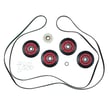
| Multiple wear items at once | Roller/belt/idler kit | Dryer repair kit 4392067 |
Error codes and what to do next
If the display shows an error, match it to the code list first; it speeds up diagnosis and prevents replacing the wrong part. Use Whirlpool duet hybrid dryer error codes to identify the code and the most likely checks.
Why it matters
Dryer issues often start as airflow restriction or normal wear (rollers, idler pulley). Catching those early helps prevent overheating, repeat shutdowns, and secondary damage to the drum or motor.
Last updated: February 2026