Owner’s manual
 Error Codes



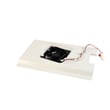
Why is my Samsung bottom freezer frosting up?
Frost buildup in the bottom freezer on your Samsung RF23HTEDBSR is almost always caused by humid air getting into the freezer or by restricted airflow. Start by making sure the freezer drawer closes and seals fully, and that interior air vents are not blocked (this model is designed to defrost automatically). See the RF23HTEDBSR owner's manual for vent locations and operating tips.
Most common causes (and what to check first)
- Freezer drawer not closing all the way because of an overfilled bin or misaligned rails
- Door gasket not sealing (gaps, tears, hardened sections, or debris on the sealing surface)
- Air vents blocked by food packages, which can cause uneven cooling and frost
- Door left open too long or opened frequently (humid kitchen air condenses and freezes)
- Defrost drain area icing up, which can lead to ice under the drawer and recurring frost
Quick troubleshooting steps
- Confirm the drawer is sealing: Close the freezer and check for any spots where the gasket is not contacting the cabinet evenly.
- Clear airflow paths: Move packages away from vents and avoid packing food tightly against the back wall.
- Reduce moisture load: Let hot foods cool before storing and keep the drawer open for the shortest time possible.
- Check for ice under the drawer: If you see a sheet of ice on the freezer floor, focus on drain icing and door sealing.
Symptoms and likely causes
| What you notice | Most likely cause | What to do next |
|---|---|---|
| Frost on freezer walls | Blocked vents or frequent door openings | Clear vents; shorten door-open time |
| Ice under the bottom drawer | Drain area icing or warm air leak | Inspect gasket; clear ice and keep seals clean |
| Frost only near the front edge | Drawer not fully closing | Re-seat bins; check slide alignment |
Why it matters
Frost is more than a nuisance; it reduces airflow, makes temperatures less stable, and can lead to longer run times. The manual also notes that blocked vents can cause overcooling and performance issues, so keeping vents clear helps prevent repeat frosting.
When a part may be involved
If frosting continues after sealing and airflow checks, a temperature-sensing or defrost control issue can contribute to abnormal cooling patterns. For this model, one common component is the refrigerator temperature sensor DA32-10104N.
Last updated: January 2026
What is the difference between force defrost FD and RD?
On Samsung model RF23HTEDBSR, RD (refrigerator defrost) is used to defrost the fresh food (refrigerator) evaporator area, while FD (forced or full defrost) is used when you need a more complete defrost that can address heavier ice buildup affecting cooling or ice production. For normal operation, the refrigerator is designed to defrost automatically. See the RF23HTEDBSR owner's manual for the exact service-mode steps and display behavior.
When to use RD vs FD
Use the option that matches where the frost problem is happening.
- Use RD when the fresh food section is warming up, airflow is weak from the refrigerator vents, or you see frost behind the refrigerator rear panel.
- Use FD when frost is affecting multiple areas, such as the freezer evaporator area and ice maker performance, or when you need a more aggressive defrost to clear heavy ice.
- If temperatures keep rising after defrost, check for airflow restrictions, door sealing issues, or a defrost system problem.
Quick comparison
| Mode | What it targets | Best for | What you may notice |
|---|---|---|---|
| RD | Refrigerator (fresh food) evaporator | Fridge-side frost, warm fresh food temps | Fridge cooling pauses while defrost runs |
| FD | Full/forced defrost across the system | Heavy icing, ice maker or freezer icing symptoms | Longer downtime and more melting water |
Why it matters
Your RF23HTEDBSR is a frost-free refrigerator, so it normally defrosts automatically. Using the correct forced-defrost option helps restore airflow faster and can prevent temperature swings that shorten frozen food storage life.
If frost keeps coming back
Recurring ice buildup usually points to an underlying issue. These checks help narrow it down:
- Make sure doors close fully and gaskets seal all the way around.
- Avoid overpacking; blocked vents reduce airflow and cause icing.
- Confirm the unit has good ventilation around the cabinet for heat removal.
- If you suspect a sensor issue, a failed sensor can cause poor defrost timing; a common related part is the refrigerator temperature sensor DA32-10104N.
- If ice maker performance is the main symptom, follow the steps in why your Samsung fridge stopped making ice and how to fix it.
Last updated: January 2026
What is the most common problem with Samsung refrigerators?
For Samsung refrigerators like model RF23HTEDBSR, the most common customer-reported problems are ice maker issues (no ice, slow ice, freezing up, leaking) and cooling/airflow problems (warm fresh food section, frost buildup, fan noise). These often trace back to airflow restrictions, water supply conditions, or a failing sensor or fan.
Most common symptoms we see
- Ice maker stops producing ice or produces small/hollow cubes
- Ice maker compartment freezes up or leaks water
- Fresh food section warms up while freezer seems OK
- Frost or ice buildup that blocks vents and reduces airflow
- Unusual fan noise, especially after doors close
Quick checks you can do first (RF23HTEDBSR)
Use these steps before replacing parts:
- Confirm airflow: do not block interior air vents with food packages; blocked vents can cause overcooling or uneven temps.
- Check water pressure: the ice maker needs 20 to 125 psi water pressure to operate properly.
- Vacation or long non-use: if you will not use water/ice for a while, close the water valve to help prevent leaks.
- Power reset correctly: if unplugged, wait at least 5 minutes before plugging back in.
- Look for error codes: error codes can point to a sensor, fan, or defrost-related issue.
| Problem area | What you notice | Common next step |
|---|---|---|
| Ice maker / water system | No ice, slow ice, leaking | Verify water pressure and valve; inspect for freezing or blockage |
| Airflow / cooling | Warm fridge, frost buildup, fan noise | Clear vents, check for ice buildup, confirm fans are running |
| Temperature sensing | Temps swing, intermittent cooling | Test/replace a temperature sensor if diagnostics indicate it |
Parts that commonly relate to these symptoms
If troubleshooting points to a failed component, these model-compatible parts are commonly involved:
- Refrigerator temperature sensor DA32-10104N (temperature feedback issues)
- Refrigerator water inlet valve DA62-04027A (no ice, slow fill, dispenser/ice maker water problems)
Why it matters
Ice production and cooling performance depend on steady airflow and correct temperature feedback. When vents are blocked or water pressure is low, the refrigerator can run longer, temperatures drift, and ice maker performance drops.
Where to confirm model-specific steps
For control settings, diagnostics, and the exact procedure for your configuration, follow the RF23HTEDBSR owner's manual.
Last updated: January 2026