Owner’s manual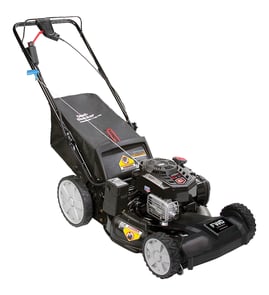

Should I use 87 or 89 gas for lawn mower?
For the Husqvarna ROYAL walk-behind mower, we use regular unleaded gasoline (87 octane). Using 89 octane will not improve performance in a typical small 4-cycle mower engine; what matters most is using fresh fuel and keeping ethanol at 10% or less.
What to use (and what to avoid)
- Use 87 octane unleaded gasoline (regular).
- Choose fuel with 10% ethanol (E10) or less.
- Avoid stale fuel (older than about 30 days without stabilizer).
- Avoid higher-ethanol blends (commonly sold as E15 or E85).
- Keep the fuel cap tight and use an approved fuel container.
Quick comparison: 87 vs 89 for a mower
| Fuel choice | Is it OK to use? | What you will notice |
|---|---|---|
| 87 octane (regular) | Yes (recommended) | Normal starting and power |
| 89 octane (mid-grade) | Yes | Typically no change in power or reliability |
Fueling and safety basics for this mower
Our ROYAL mower manual emphasizes safe fueling practices. Follow these every time:
- Refuel outdoors only and keep all ignition sources away.
- Add fuel before starting; never refuel with the engine running or hot.
- If fuel spills, move the mower away and wait for fumes to clear before starting.
- Let the engine cool before storing the mower, especially indoors.
For the full safety and operating details, use the owner's manual.
Why it matters
Octane is mainly about preventing knock in high-compression engines. Most walk-behind mower engines are designed to run correctly on 87 octane; fuel freshness and ethanol content have a bigger impact on starting, smooth running, and carburetor health.
Last updated: February 2026
What size yard is the ROYAL good for?
The Husqvarna ROYAL walk-behind mower is a good fit for small to medium lawns; most homeowners use a 21-inch walk-behind like this for lots up to about 1/2 acre, depending on terrain, obstacles, and how fast you walk. For model-specific specs, use the owner's manual.
What we know about the Husqvarna ROYAL that affects yard size
These ROYAL 53S INTEK details from the operator’s manual help estimate productivity:
- Cutting width: 21 inches
- Ground speed: about 1.2 to 3.4 mph
- Weight: about 122 lb
- Cut height range: about 0.7 to 3.3 inches
Practical yard-size guidance (real-world)
A 21-inch self-propelled walk-behind mower like the Husqvarna ROYAL typically works best for:
- Up to 1/4 acre: very comfortable for most users
- 1/4 to 1/2 acre: still reasonable if the yard is fairly open
- Over 1/2 acre: doable, but mowing time usually becomes the deciding factor
| Yard size | What to expect with a 21-inch walk-behind | Best tip |
|---|---|---|
| Under 1/4 acre | Quick weekly mowing | Keep blade sharp for a clean cut |
| 1/4 to 1/2 acre | Moderate mowing time | Mow more often to reduce load |
| Over 1/2 acre | Longer sessions, more fatigue | Consider splitting into two sessions |
Why it matters
Matching mower size to yard size helps you avoid long mow times, uneven cutting, and extra wear on the blade, drive system, and engine (especially in thick or wet grass).
Tips to mow faster and get better results
- Keep the blade sharp; a dull blade slows you down and tears grass
- Mow when grass is dry to reduce clumping and deck buildup
- Use a steady pace; don’t overload the engine in tall grass
- Raise the cut height for the first pass if grass is overgrown
- Maintain the mower regularly (oil changes, air filter, spark plug)
If blade maintenance is part of your plan, our DIY guide how to sharpen a lawn mower blade pairs well with this model.
Last updated: February 2026
What is the lifespan of a Husqvarna ROYAL?
A Husqvarna ROYAL walk-behind gas mower typically lasts 10 to 15 years with normal residential use and consistent maintenance. Blade care, clean fuel practices, and routine tune-ups do more to extend life than any single replacement part; follow the service intervals in the ROYAL operator's manual.
Typical lifespan by usage
How long your mower lasts depends mostly on hours of use per season and how well the engine and cutting system are maintained.
| Usage pattern | Typical service life | What usually ends life first |
|---|---|---|
| Light (small yard, weekly) | 12 to 15 years | Fuel system varnish, neglected oil changes |
| Moderate (average yard) | 10 to 12 years | Drive wear, deck corrosion, vibration damage |
| Heavy (large yard, long season) | 7 to 10 years | Engine wear, drive system wear |
What to do to reach the high end of the range
These habits prevent the most common failures on walk-behind mowers (starting issues, vibration, poor cut quality, and drive problems):
- Use fresh gasoline and avoid storing old fuel in the tank or carburetor.
- Keep the blade sharp and balanced to reduce vibration and engine load.
- Replace the metal blade on schedule; the manual calls for replacement after 50 hours or 2 years, whichever comes first.
- Clean grass buildup from the underside of the deck (without using water on the mower).
- Let the engine warm briefly before heavy cutting; avoid mowing in conditions that overload the deck.
- Store the mower dry and protected to slow deck rust and cable corrosion.
Why it matters
Most “mower is worn out” complaints are really maintenance-related problems (hard starting, stalling, poor cut, or excessive vibration). Keeping the blade, fuel system, and deck in good shape protects the engine and drive components, which are the biggest factors in overall lifespan.
Helpful DIY guides
- For safer blade service and easier bolt removal, use our lawn mower blade removal tool guide.
- For cut quality and reduced vibration, follow how to sharpen a lawn mower blade.
- For off-season storage that prevents fuel problems, use how to winterize a lawn mower.
Last updated: February 2026
Is it worth replacing a lawn mower engine?
Yes, replacing the engine on your Husqvarna ROYAL walk-behind mower is worth it when the deck and drive components are solid and the total swap cost stays well below the cost of a comparable new mower. It is not worth it when the deck is rusted or cracked, or when the swap cost is near half the price of replacement.
Quick decision checklist
- Deck is structurally sound (no cracks, rust-through, or bent blade area)
- Self-propel drive (if equipped) pulls consistently without slipping
- Operator presence control and engine brake stop the engine quickly
- Wheels and height adjusters are not loose or heavily worn
- You can complete the swap safely (fuel shutoff, blade safety, proper tools)
What to inspect before you buy an engine
| Checkpoint | Replace engine when | Replace mower when |
|---|---|---|
| Deck shell | Solid and straight | Cracked, rusted through, or badly bent |
| Blade area | No wobble or impact damage | Blade mount area is distorted or unsafe |
| Drive system | Works reliably | Repeated drive failures add major cost |
| Safety guards/controls | All present and functional | Missing guards or unsafe controls |
Safety and maintenance items that affect the decision
Our guidance matches the ROYAL manual’s safety basics: keep guards in place, avoid overspeeding the engine, and disconnect the spark plug lead before clearing blockages or working under the deck. Use the owner's manual for the correct procedures and control checks.
If you replace the engine, protect the investment
- Clean grass buildup under the deck and around engine air intakes
- Start with fresh oil and a clean air filter
- Fix abnormal vibration before mowing again
A helpful maintenance companion is how to tune up a lawn mower video.
Why it matters
An engine swap only pays off when it restores a mower that is already safe, straight, and reliable; otherwise you spend engine money and still end up with poor cut quality or drive problems.
Last updated: February 2026