Installation guide
 Owner’s manual
 Error Codes


What is the most common problem with a KitchenAid refrigerator?
The most common KitchenAid refrigerator problems are cooling performance issues (warm fridge or freezer), ice maker or water dispenser problems, and noisy fan operation. On the KitchenAid KBSN602EPA00 built-in refrigerator, these symptoms usually trace back to airflow, temperature sensing, or water filtration and supply.
Most common issues we see (and what they point to)
- Fridge or freezer not cold enough: restricted airflow, dirty condenser area, failing fan, or a temperature sensor issue.
- Ice maker slow or not making ice: clogged filter, air in the water line, low water pressure, or an ice maker component problem.
- Noisy humming, buzzing, or rattling: condenser fan or evaporator fan area noise, or vibration from the grille and mounting.
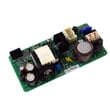
- Lights or controls acting odd: door switch problems or an electronic control issue.
Quick checks you can do first
Use these steps before replacing parts:
- Confirm the temperature settings are at normal set points (typically 37°F fresh food, 0°F freezer).
- Make sure air vents are not blocked by food packages.
- Check that doors close fully and gaskets seal evenly.
- If water or ice is weak after a filter change, purge air from the dispenser.
- Review the troubleshooting section in the KBSN602EPA00 owner's manual.
Common symptoms and likely parts (examples)
| Symptom | What to check first | Part that’s often involved |
|---|---|---|
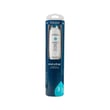
| Slow ice production | Filter, air purge, water supply | Refrigerator filter EDR3RXD1 |
| Warm temps, poor airflow | Fan noise, frost pattern, venting | Evaporator fan blade, diffuser |
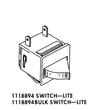
| Interior lights not responding | Door alignment, switch click | Refrigerator light switch |
Why it matters
Built-in refrigerators like the KitchenAid KBSN602EPA00 rely on steady airflow and stable temperature feedback. A small restriction (like a clogged water filter or blocked vent) can create bigger symptoms such as warm temperatures, weak dispensing, or ice maker complaints.
Last updated: January 2026
What is the average lifespan of a KitchenAid refrigerator?
A KitchenAid refrigerator typically lasts about 13 years on average. For your KitchenAid KBSN602EPA00 built-in refrigerator, regular maintenance (clean airflow, stable temperatures, timely filter changes) is what most directly helps you reach or exceed that typical lifespan; see the KBSN602EPA00 owner's manual for model-specific care guidance.
Typical lifespan and what affects it
Most refrigerators fail early because of heat buildup, airflow restrictions, or water system issues that stress components like the compressor, condenser fan, and evaporator fan.
Common factors that shorten lifespan:
- Dirty condenser area or blocked grille reducing heat removal
- Door gasket leaks that force longer run times
- Warm or overloaded compartments that restrict air circulation
- Skipped water filter changes that reduce flow and strain the dispenser/ice maker
- Power interruptions or frequent breaker trips
Maintenance checklist to help it last longer
We recommend these practical habits for KitchenAid built-in units like the KBSN602EPA00:
- Keep the front grille and surrounding airflow path clear of dust and obstructions
- Confirm the doors close and seal evenly; address gaps before frost or sweating starts
- Keep freezer at 0°F and refrigerator at 37°F (common targets for food safety and efficiency)
- Replace the water filter on schedule; use the correct filter for this model such as the refrigerator filter EDR3RXD1
- If you hear fan noise changes or warming, troubleshoot promptly to prevent compressor overwork
Lifespan vs. warranty coverage (what to expect)
Your manual describes warranty coverage that can extend on the sealed refrigeration system, which is separate from “how long it lasts.”
| Item | Typical expectation | What it means for you |
|---|---|---|
| Average refrigerator lifespan | ~13 years | Many units run longer with good maintenance |
| Full appliance warranty | 2 years | Covers defects in materials/workmanship during early ownership |
| Sealed system coverage | Years 3-6 (parts + labor), years 7-12 (parts only) | Helps with major sealed-system components if a covered defect occurs |
Why it matters
A built-in refrigerator is expensive to replace and harder to access for service. Simple upkeep that reduces heat and run time is the most reliable way to protect major components and keep temperatures stable.
Last updated: January 2026
What is the disadvantage of a side-by-side fridge?
A key disadvantage of a side-by-side refrigerator like the KitchenAid KBSN602EPA00 is the narrow, tall compartment layout; wide items (pizza boxes, party trays, large platters) can be harder to fit, and you may spend more time with the door open while searching for items.
Common side-by-side drawbacks (and what to do about them)
- Less room for wide items: Use adjustable shelves to create a “wide-item zone” when needed.
- More time searching: Group similar foods together (deli, drinks, leftovers) so you can grab items quickly.
- Cold air loss during browsing: Keep frequently used items in door bins for faster access.
- Freezer organization can be tricky: Use bins or baskets to prevent small items from getting buried.
- Ice maker and dispenser space tradeoff (on many models): Door storage can be reduced compared to non-dispenser designs.
For model-specific shelf adjustment and storage guidance, follow the shelf removal and repositioning steps in the KBSN602EPA00 owner's manual.
Quick organization plan that works well in side-by-sides
| Area | Best for | Tip |
|---|---|---|
| Upper refrigerator shelves | Ready-to-eat foods, leftovers | Keep eye-level items in clear containers |
| Lower refrigerator shelves | Raw meats, heavy items | Store meats low to reduce drip risk |
| Freezer door bins | Small frozen items | Group by category (breakfast, snacks, veggies) |
| Main freezer shelves | Boxes and bags | Stand bags upright in a bin for visibility |
Why it matters
Side-by-side designs can be very efficient for everyday items, but the narrower shelf width affects how you store large or awkward containers. Better shelf setup and grouping reduces door-open time, which helps temperature stability and energy use.
Last updated: January 2026