Error Codes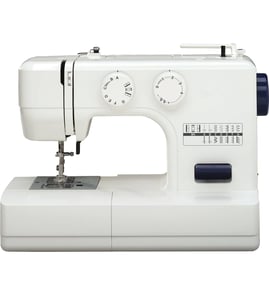

Are mechanical sewing machines good?
Yes. Mechanical sewing machines like the Singer 9020 are a good choice when you want straightforward controls, consistent stitch performance, and long-term serviceability. They are especially strong for basic sewing, mending, and learning fundamentals without relying on menus or electronics.
Mechanical machines use knobs, levers, and cams to set stitch length, width, and pattern. That design tends to be easy to operate and easy to troubleshoot when something feels off.
Common advantages
- Simple, tactile controls (dials and levers)
- Durable for everyday sewing and basic fabrics
- Easier to diagnose issues like tension problems or thread jams
- Often lower cost to maintain for routine wear items
- Great for beginners who want to learn threading, tension, and stitch setup
| Feature | Mechanical | Computerized |
|---|---|---|
| Controls | Dials/levers | Buttons/screen |
| Stitch selection | Usually fewer stitches | Usually more stitches |
| Learning curve | Typically easier | Can be easier once learned |
| Troubleshooting | Often more straightforward | Can involve electronics |
| Best for | Basics, mending, learning | Decorative stitches, automation |
A mechanical Singer 9020 style machine is a strong fit if you:
- Sew occasionally or for practical projects (hemming, repairs)
- Prefer “set it and sew” controls
- Want fewer features and fewer settings to manage
- Plan to do your own cleaning and basic maintenance
Choosing mechanical vs. computerized affects how you set stitches, how you maintain the machine (lint removal, oiling points if applicable), and how you troubleshoot common problems like thread nesting, skipped stitches, or a locked handwheel.
If your Singer 9020 ever binds or stops turning, follow a proven lock-up troubleshooting path in our sewing machine locks up guide.
Last updated: February 2026
What is the most sought after Singer sewing machine?
The most sought-after Singer sewing machines are typically vintage, all-metal models prized for stitch quality, durability, and collectability. Popular examples include the Singer 201 (known for exceptionally smooth straight stitching) and the Singer Featherweight 221 (valued for portability and strong collector demand). For help keeping your Singer 9020 running well, use our sewing machine common questions guide.
Collectors and serious sewists usually chase machines that combine strong build quality with consistent stitching.
- Singer 201: highly regarded straight-stitch performance and smooth operation
- Singer Featherweight 221: lightweight, portable, and iconic for quilting and travel
- Early “Red Eye” and other decal-era machines: valued for history and aesthetics
- Rare variants and special editions: scarcity drives demand more than features
- Well-preserved machines with original accessories: complete sets often matter as much as the head itself
| Model/family | What people want it for | What usually affects value most |
|---|---|---|
| Singer 201 | Precision straight stitch | Condition, servicing, smoothness |
| Featherweight 221 | Portability, quilting | Original case, accessories, finish |
| Early vintage Singers | Collecting, display, restoration | Decals, completeness, rarity |
Singer 9020 is a mechanical sewing machine, so its “value” to most owners is practical: reliable feeding, consistent tension, and smooth needle movement. If you are comparing it to vintage collector models, focus on performance and repairability rather than collectability.
- Handwheel turns smoothly (no binding)
- Needle bar moves freely; no knocking sounds
- Feed dogs advance fabric evenly
- Tension adjusts predictably without constant rethreading
- Motor runs without burning smell or heavy sparking
The “most sought-after” Singer depends on the goal: collectors prioritize rarity and originality, while sewists prioritize stitch quality and dependable mechanics. Knowing which camp you are in helps you choose the right machine and the right repair approach.
Last updated: February 2026
How long do mechanical sewing machines last?
A mechanical sewing machine like the Singer 9020 typically lasts 10 to 20 years with normal home use and basic upkeep; many run longer when they are kept clean, lubricated as needed, and not forced through heavy materials.
Mechanical machines usually outlast computerized models because they have fewer electronic components.
| Machine type | Typical lifespan | What usually ends it |
|---|---|---|
| Mechanical sewing machine | 10 to 20+ years | Wear in gears/bushings, seized mechanism from lint or old oil |
| Computerized sewing machine | 8 to 15 years | Control board failure, sensor issues, display/power problems |
We see the longest-lasting sewing machines follow a simple routine.
- Clean lint from the bobbin area and feed dogs regularly
- Change needles often (a bent needle can throw off timing and cause jams)
- Use quality thread and the correct needle size for the fabric
- Avoid forcing thick seams; hand-walk the wheel through bulky spots
- Store the machine covered to reduce dust and corrosion
Many “end of life” symptoms are actually maintenance or adjustment issues.
- Locks up or handwheel is hard to turn: remove thread tangles, clean lint, check for jammed bobbin area (see sewing machine locks up)
- Needle will not move: check for a jam, seized mechanism, or belt/motor issues (see sewing machine needle won't move)
- Runs sluggish or lacks power: check belt condition, motor brushes (if applicable), and lubrication points (see sewing machine runs sluggish)
- Skipping stitches: rethread top and bobbin, replace needle, verify presser foot pressure and fabric handling (see sewing machine skipping stitches)
A realistic lifespan helps you decide whether to invest in cleaning, a tune-up, or key repairs (motor, belt, switch). Catching stiffness, noise, or stitch issues early prevents damage to the hook, needle bar, and drive system.
Last updated: February 2026
What is the difference between a sewing machine and a mechanical sewing machine?
A “mechanical sewing machine” is simply a sewing machine that uses manual dials and levers to set stitch type, stitch length, and stitch width, instead of electronic buttons and a digital control board. Your Singer 9020 is a mechanical model, so adjustments are hands-on and straightforward.
Mechanical and electronic machines both sew the same basic stitches, but they differ in how you control them and what features are built in.
- Controls: mechanical uses knobs, dials, and levers; electronic uses buttons and often a display
- Stitch selection: mechanical typically has fewer built-in stitches; electronic usually offers more stitch patterns
- Adjustments: mechanical stitch length and width are set by turning dials; electronic settings are often more precise and repeatable
- Serviceability: mechanical machines are often simpler to troubleshoot (fewer electronic components)
- Feel while sewing: mechanical machines tend to feel more “direct” because settings are purely manual
| Feature | Mechanical sewing machine (Singer 9020) | Electronic sewing machine |
|---|---|---|
| Stitch settings | Manual dials/levers | Buttons, presets, sometimes memory |
| Built-in stitches | Commonly basic to moderate | Commonly moderate to many |
| Complexity | Lower | Higher |
| Typical issues | Tension, lint buildup, timing, belt wear | Sensors, boards, switches plus mechanical wear |
If you want simple operation, easy stitch adjustments, and fewer electronics to diagnose, a mechanical machine like the Singer 9020 is a strong fit. If you want lots of decorative stitches, one-touch settings, and automated features, an electronic model usually offers more options.
Many problems come from lint, thread jams, or tension setup rather than the machine type. For step-by-step symptom help, use our DIY guides like sewing machine locks up or browse the sewing machine repair-guides landing page.
Last updated: February 2026
Can I buy Singer parts online?
Yes. You can buy replacement parts for your Singer 9020 sewing machine online by using the model-based parts list to match the exact component you need (for example, bobbin-area parts, needle plate parts, or drive components) and then ordering through our catalog on Sears PartsDirect.
Because sewing machine parts can look similar but fit differently, we recommend shopping by model number (9020) and confirming the part’s location and function before ordering.
- Find your part by section (needle area, bobbin/hook area, handwheel/drive)
- Compare the part description to what you see on your machine
- Check for left-hand vs right-hand orientation on covers and levers
- Replace worn fasteners or springs at the same time when applicable
- Keep your old part until the replacement arrives so you can compare
These are typical wear items and frequently replaced components on mechanical sewing machines like the Singer 9020:
| Part type | What it affects | Common symptom when worn |
|---|---|---|
| Needles | Stitch formation | Skipping stitches, thread breaks |
| Bobbin case or hook area parts | Lower thread pickup | Birdnesting, jams, bobbin thread breaks |
| Drive belt | Power transfer | Runs sluggish, handwheel hard to turn |
| Foot control/power cord | Speed and power | Won’t turn on, motor won’t run |
- Confirm the full model number is 9020 on the machine’s ID label
- Identify whether the issue is a part failure or a setup problem (threading, needle size, tension)
- If the machine is jammed or stiff, clear lint and thread from the hook race first
For lockups and jam-related issues, we use the troubleshooting steps in sewing machine locks up to narrow down whether you need a cleaning, an adjustment, or a replacement part.
Ordering by model helps you avoid returns and downtime; Singer mechanical sewing machines often have small design changes that affect fit, especially around the bobbin/hook assembly and drive system.
Last updated: February 2026