Error Codes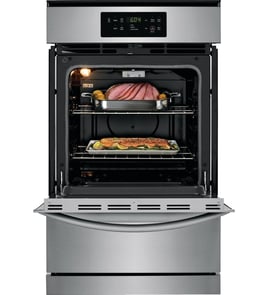



Are all 30 wall ovens the same size?
No. “30-inch” wall ovens are built for a nominal 30-inch cabinet opening, but the actual cutout dimensions, overall depth, and trim overlap vary by brand and model. For your Caloric RWS214UWW gas double wall oven, confirm fit by measurements and match parts by model number.
What “30-inch” means in real installations
“30-inch” is a category size, not an exact outside measurement. Fit depends on the cabinet cutout and how the oven’s trim covers the opening.
- Cutout width varies between models
- Cutout height differs a lot between single and double ovens
- Overall depth can change with gas routing and older designs
- Trim overlap is not standardized
- Door swing and handle projection affect clearance in front
Typical size ranges to plan around
Use these common ranges as a starting point, then measure your cabinet opening.
| Measurement | Typical 30-inch single wall oven | Typical 30-inch double wall oven |
|---|---|---|
| Overall width | ~29 3/4 in to ~30 in | ~29 3/4 in to ~30 in |
| Cutout width | ~28 1/2 in to ~29 1/2 in | ~28 1/2 in to ~29 1/2 in |
| Cutout height | ~27 in to ~29 in | ~48 in to ~52 in |
| Overall depth | ~23 in to ~26 in | ~23 in to ~26 in |
How we recommend confirming fit
Measure the opening and compare it to the oven you are replacing.
- Measure cutout width at top, middle, and bottom
- Measure cutout height on both sides
- Measure depth and note gas line and electrical clearance needs
- Confirm the support surface is level and solid
- Use model number RWS214UWW when selecting replacement parts
Why it matters
A “30-inch” oven can still be too tall or too deep for your cabinet. Confirming cutout and clearance prevents cabinet modifications and helps maintain proper airflow and safe clearances.
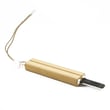
If you are repairing heating or ignition problems on this gas oven, a weak igniter is a common cause; the oven igniter 786324 is one model-matched option listed for RWS214UWW.
Last updated: February 2026
How to find wall oven model number?
For your Caloric RWS214UWW gas double wall oven, the model number is usually printed on a rating label around the oven door frame; if you do not see it there, check the door rim and the inside side panels of the oven cavity.
Where to look first (fastest checks)
- Open the upper oven door and inspect the front frame (left and right sides).
- Check the top or bottom lip of the frame near the gasket.
- Look along the door rim/edge (the area the door covers when closed).
- Inspect the inside side panels of the oven cavity (left and right walls).
- If it is a built-in unit, check behind the lower drawer or access panel if your installation has one.
What the label looks like
Most wall ovens use a small rating plate or sticker that includes the model number and other identifiers.
| Label detail | What it helps with | Example you might see |
|---|---|---|
| Model number | Matching parts to your exact oven | RWS214UWW |
| Serial number | Identifying production run | Letters and numbers |
| Gas info | Confirming fuel type and specs | Natural gas/LP info |
Why it matters for parts and troubleshooting
We use the model number to match the correct wall oven parts list and diagrams for your exact Caloric configuration (especially on a double wall oven). That prevents ordering look-alike parts that do not fit.
If the label is missing or unreadable
- Take a clear photo of the area where the label should be and compare any remaining characters.
- If you are troubleshooting a no-heat issue while you search, common culprits include the igniter; see the oven igniter 786324 listed for this model.
Last updated: February 2026
What are the most common issues with RWS214UWW?
The most common problems we see with the Caloric RWS214UWW gas double wall oven are ignition failures (no heat or delayed lighting), uneven baking, and broil performance issues. Many “won’t heat” complaints trace back to a weak igniter, which prevents the gas valve from opening fully.
Most common symptoms and what they usually point to
- Oven won’t heat or takes a long time to preheat: weak or failing igniter, or a gas supply issue
- Bake burner lights sometimes, then quits: igniter weakening, loose wiring, or poor connection
- Broil not working well: broil burner/ignition issue, incorrect rack position, or heavy soil blocking flame
- Uneven baking: temperature control drift, blocked airflow, or door seal/closure issues
- Gas smell with no ignition: ignition failure; stop using the oven until the cause is corrected
Quick checks we recommend (before replacing parts)
- Confirm the oven is set to BAKE or BROIL (not timed/hold settings).
- Watch for ignition: a healthy hot-surface igniter typically glows bright and the burner lights shortly after.
- Check that the oven door closes firmly and the cavity vents are not blocked.
- If you recently moved the unit, verify the gas shutoff valve is fully open.
- If you’re comfortable doing basic electrical checks, use a meter to confirm power to the igniter circuit.
Parts that commonly solve “no heat” on this model
If the bake burner does not light reliably, the igniter is the first part we check and replace most often for RWS214UWW.
| Symptom | Most common fix | Example part on this model page |
|---|---|---|
| No bake heat / delayed ignition | Replace igniter | Oven igniter 786324 |
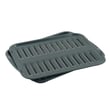
| Poor broil results | Inspect broil components and ignition | Oven broiler griddle 4396923 |
Why it matters
On gas wall ovens, a weak igniter can glow but still fail to draw enough current to open the gas valve fully. That creates slow preheats, intermittent lighting, and inconsistent temperatures, which affects baking results and can lead to unburned gas if ignition fails.
Last updated: March 2026