Owner’s manual
 Error Codes
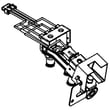


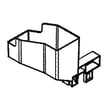
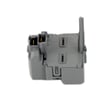
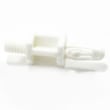
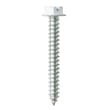
How to remove bottom grille on GE refrigerator?
On the GE GDE21ESKARSS bottom-mount refrigerator, the bottom grille (base grille or toe grille) typically comes off by removing a couple of screws and then sliding or pulling the grille forward to release the retaining tabs. Use the steps in the owner's manual for the exact fastener locations on your unit.
Steps to remove the bottom grille
- Unplug the refrigerator or switch off power at the breaker (safer around wiring and fans).
- Open both doors for better access and lighting.
- Look along the top edge of the grille for Phillips-head screws (some versions use 2 screws).
- Remove the screws and set them aside.
- Pull the grille straight out toward you; if it resists, lift slightly to disengage the lower tabs.
- If the grille has side clips, press the clip areas inward while pulling forward.
If the grille will not come off
- Check for hidden screws near the corners or behind small caps.
- Confirm you removed all fasteners before pulling harder.
- Pull evenly from both sides to avoid cracking the plastic.
- If the grille is bowed, push it back in slightly, then pull forward again to release tabs.
Reinstalling the grille
Line the grille up with the slots, slide it into place until it seats, then reinstall the screws.
| Task | What you will usually need | Typical time |
|---|---|---|
| Remove base grille | Phillips screwdriver, flashlight | 5 to 10 minutes |
| Reinstall base grille | Phillips screwdriver | 5 minutes |
Why it matters
We remove the bottom grille to access and clean the condenser area, inspect the condenser fan, or reach components used for cooling and defrost. Keeping that area clear helps the refrigerator cool efficiently and can reduce warm-temperature complaints.
Last updated: February 2026
What are the disadvantages of a bottom freezer refrigerator?
Bottom-freezer refrigerators like the GE GDE21ESKARSS keep fresh food at eye level, but the tradeoffs are a freezer drawer you have to bend for, heavier moving parts, and sometimes higher purchase and repair costs compared with simpler top-freezer designs. For model-specific features and care tips, use the GDE21ESKARSS owner's manual.
Common disadvantages (what you will notice day to day)
- You bend more to reach frozen foods, especially items at the bottom of the drawer.
- Freezer access can feel slower because you pull out a full drawer instead of opening a simple door.
- Tall or bulky frozen items can be harder to stack without shifting when the drawer slides.
- The freezer drawer can feel heavy when fully loaded, which increases wear on rails, rollers, and door alignment.
- If the freezer is opened often, cold air can spill out quickly, which can increase run time.
Parts that can take more wear on bottom-freezer designs
A bottom-freezer layout puts more stress on moving door and drawer components. If you see poor sealing, frost buildup, or a drawer that does not close smoothly, these are common areas to check:
- Door gasket sealing and door alignment
- Drawer slides/rollers and basket fitment
- Ice maker and water system components (if equipped)
If you are troubleshooting ice or water performance, the refrigerator water inlet valve assembly WR57X26305 and refrigerator ice maker WR30X35287 are examples of model-matched parts that can affect filling and ice production.
Quick comparison: bottom freezer vs top freezer
| Feature | Bottom freezer | Top freezer |
|---|---|---|
| Fresh food access | Easier (eye level) | More bending |
| Freezer access | More bending | Easier |
| Organization | Drawer can hide items | Shelves are more visible |
| Moving parts | More drawer hardware | Typically simpler |
Why it matters
Choosing a refrigerator style affects comfort and long-term upkeep. If your household uses frozen foods constantly, a top-freezer can feel more convenient. If you use fresh foods most, a bottom-freezer can still be the better daily experience, even with the drawer tradeoffs.
Last updated: February 2026
What is the most common problem with GE GDE21ESKARSS refrigerators?
The most common issues we see with the GE GDE21ESKARSS bottom-mount refrigerator are cooling and ice maker complaints: a warm fresh-food section, weak airflow, or an ice maker that stops producing. These problems usually trace back to airflow, defrost performance, or temperature sensing; use the GDE21ESKARSS owner's manual for model-specific checks.
Most common symptoms (and what they usually point to)
- Fridge warm but freezer cold: restricted airflow or a damper problem
- Noisy or intermittent fan sound: evaporator fan motor or fan blade issue
- Ice maker not making ice or slow production: water supply, inlet valve, or ice maker module
- Frost buildup on the back wall of the freezer: defrost system problem
- Temps swing up and down: temperature sensor (thermistor) or control issue
Quick checks we recommend first
- Confirm controls are set correctly and doors seal fully.
- Make sure vents inside the refrigerator are not blocked by food packages.
- Listen for the evaporator fan running when the compressor is on.
- If you have a dispenser or ice maker, verify household water supply is on and the line is not kinked.
- If you see heavy frost, do a full manual defrost (unplug 24 hours, doors open, towels down) and see if cooling returns temporarily.
Parts that commonly solve these problems on this model
| Problem area | What fails most often | Example part for GDE21ESKARSS |
|---|---|---|
| Temperature sensing | Thermistor/temperature sensor | GE profile refrigerator temperature sensor WR55X10025 |
| Air circulation | Evaporator fan motor | Refrigerator evaporator fan motor WR60X32614 |
| Airflow control | Air damper | Refrigerator air damper WR60X27396 |
| Ice production | Ice maker assembly | Refrigerator ice maker WR30X35287 |
| Water supply to ice maker | Water inlet valve | Refrigerator water inlet valve assembly WR57X26305 |
Why it matters
Cooling and ice maker problems often start small (slower ice, slightly warmer temps) but can lead to food spoilage, recurring frost buildup, and extra compressor run time. Catching airflow, defrost, or water-supply issues early keeps temperatures stable and reduces wear on major components.
Helpful DIY reference
If your display shows a fault or you suspect an electronic issue, use GE refrigerator error codes to match the code to the most likely cause and next steps.
Last updated: February 2026