Owner’s manual




What happens if you don't drain gas from a snowblower?
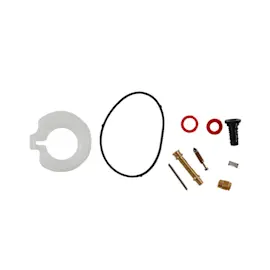
If you do not drain the gas in your Craftsman snow thrower model 247985380 before storage, the fuel can deteriorate and form gum deposits in the fuel system. That often leads to hard starting, rough running, and carburetor or fuel-line service when you try to use it again.
What you may notice next season
Old gasoline commonly causes fuel-system restriction and poor combustion. Watch for these symptoms:
- Engine will not start or only starts with repeated priming
- Engine starts but surges, stalls, or runs rough
- Loss of power under load when the auger is engaged
- Fuel cap vent icing or blockage symptoms (vacuum in tank, fuel starvation)
- Need to drain and refill with fresh fuel before it will run normally
What we recommend for model 247985380 (storage steps)
For storage of 30 days or longer, the operator guidance for this snowblower is to remove fuel by running the engine until it stops (do not pour fuel out of the tank). Then complete basic engine storage steps.
- Run the engine until it stops to empty the tank and carburetor
- Change the engine oil
- Remove the spark plug and add about 1 oz (30 ml) of clean engine oil to the cylinder
- Pull the recoil starter several times to distribute oil, then reinstall the spark plug
- Store the machine away from any ignition source (open flame, spark, pilot light)
For the exact procedure and safety notes, follow the 247985380 operator's manual.
Quick comparison: drain vs. do not drain
| Storage choice | What happens in the fuel system | What you deal with later |
|---|---|---|
| Drain by running engine dry | Minimizes gum and varnish formation | More reliable starting next season |
| Leave fuel in tank | Fuel deteriorates; deposits can form in carburetor passages | Hard starting; possible carburetor cleaning/service |
Why it matters
A snowblower carburetor has small passages that plug easily when gasoline breaks down. Draining fuel before off-season storage helps protect the carburetor, fuel lines, and tank so your Craftsman snowblower is ready when the next storm hits.
Last updated: January 2026
What is the typical lifespan of a gas snowblower?
For the Craftsman gas snowblower model 247985380, the operator’s manual lists an average useful life of 7 years or 60 hours of operation. With consistent maintenance (oil changes, inspections, and timely wear-part replacement), many gas snowblowers deliver reliable service for multiple winter seasons.
What “useful life” means for this snowblower
The manual’s useful-life figure is a safety and maintenance benchmark. It is not a hard stop date; it is the point when we recommend more frequent inspections to keep the auger, drive, and safety systems operating correctly.
| Measure | What to track | Typical trigger for closer inspection |
|---|---|---|
| Calendar time | Years of ownership | Around year 7 |
| Run time | Engine hours | Around 60 hours |
| Condition | Wear, cracks, looseness | Any time symptoms appear |
Maintenance that most affects lifespan
Use the maintenance schedule and procedures in the 247985380 operator’s manual. Focus on the items that prevent freeze-ups, belt and cable issues, and drivetrain wear.
- Change engine oil at the recommended intervals and before off-season storage.
- Inspect controls to confirm they engage and disengage properly; adjust when needed.
- Check fuel line, tank, cap, and fittings for cracks or leaks.
- Clear snow from the machine before storage to help prevent auger and impeller freeze-up.
- Inspect wear items (scraper blade, skid shoes, shear pins) and replace as they wear.
Signs your snowblower is reaching end-of-life wear
These symptoms usually mean it needs repair, adjustment, or a deeper inspection.
- Auger or drive engagement feels weak, inconsistent, or requires excessive lever travel.
- Frequent shear pin breakage or auger jams in normal snow conditions.
- Excessive vibration, grinding noises, or visible gearbox leakage.
- Drive system slipping (often tied to friction wheel wear or hex shaft issues).
- Hard starting after storage, surging, or fuel system problems.
Parts that commonly extend service life
Replacing common wear parts on time helps protect higher-cost assemblies.
- Shear protection: Craftsman snowblower shear pin 738-04124A
- Ground drive control: mtd snowblower clutch cable 946-04229B
- Auger engagement control: snowblower auger clutch cable 946-04230A
Why it matters
Tracking years and engine hours helps you plan maintenance before a breakdown. Around the 7-year or 60-hour point, annual inspections and proactive replacement of wear parts can prevent sudden failures during heavy snowfall.
Last updated: January 2026
Where is Craftsman Snowblower model number?
On Craftsman snow thrower model 247985380, the model number is printed on the product ID label (rating plate). It’s typically located on the rear of the unit between the wheels or on the side of the frame near the auger housing; confirm the exact spot using the 247985380 operator's manual.
Where to look on the snowblower
Check these common label locations first:
- Rear of the snowblower, between the wheels (most common)
- Side of the frame near the auger housing
- Lower handle area near the frame rails
- Near the engine mounting area (less common)
- Under the belt cover area (only if your unit has a label there)
What the label usually shows
The ID label typically includes more than just the model number. Use these fields to match parts correctly.
| Label item | What it’s used for |
|---|---|
| Model number (example: 247985380) | Identifies the exact Craftsman snowblower design |
| Serial number | Helps confirm production run and correct part revisions |
| Engine model (may be listed separately) | Helps match engine parts like carburetor and ignition components |
Tips to read a worn or dirty model tag
If the label is hard to read, these steps usually make it legible without damaging it:
- Brush off packed snow, salt, and loose rust with a dry nylon brush
- Wipe with a damp cloth and a drop of mild soap; dry fully
- Use a flashlight at a low angle to highlight stamped or faded text
- Take a close-up photo and zoom in to read small characters
Why it matters
We use the model number to pull the correct parts list and diagrams for your Craftsman snowblower, so you get the right items the first time (for example, the correct shear pin size and cable lengths).
Last updated: January 2026
Should I use 87 or 91 for snowblower?
For the Craftsman snow thrower model 247985380, use fresh regular unleaded gasoline with a minimum of 87 octane. Using 91 octane does not improve snowblower performance; what matters most is clean, fresh fuel and proper off-season storage per the Craftsman 247985380 operator’s manual.
What to use (and what to avoid)
- Use 87 octane or higher regular unleaded gas.
- Use fresh fuel; old gas can cause hard starting and rough running.
- Add fuel stabilizer if fuel may sit for 30 days or more.
- Avoid storing the machine or fuel near ignition sources.
- Do not overspeed or modify engine settings.
Storage guidance (prevents fuel problems)
The manual calls out that engines stored over 30 days should have fuel handled to prevent deterioration and gum formation. Use this simple approach:
- If storing for 30+ days, run the engine until it stops to remove fuel from the tank.
- Change engine oil before storage.
- Follow the manual’s off-season storage steps to reduce carburetor issues.
Quick comparison
| Option | When it makes sense | What you gain |
|---|---|---|
| 87 octane | Normal operation in cold weather | Correct fuel grade for typical small engines |
| 91 octane | Only if 87 is unavailable | No added power; higher cost |
| Stabilized fresh 87 | Best for seasonal equipment | Fewer starting and carburetor problems |
Why it matters
Most snowblower “fuel issues” come from stale gasoline and storage habits, not octane rating. Using fresh 87 octane and storing the unit correctly helps protect the fuel system and keeps your Craftsman snowblower ready for the next storm.
Last updated: January 2026