 Installation guide
 Owner’s manual
 Error Codes



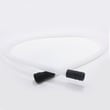
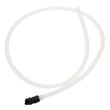
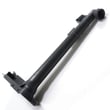
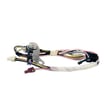
How to fix GE dishwasher arm?
On GE dishwasher model GDF510PGJ2WW, a “dishwasher arm” issue is usually caused by a clogged spray arm, a loose fit, or poor water flow. We fix it by cleaning the spray arm jets, confirming the arm spins freely, and replacing the arm if it is cracked, warped, or won’t stay secured (see the GDF510PGJ2WW installation guide for safe access and handling).
Quick checks before replacing anything
- Turn off power at the breaker and shut off the water supply.
- Pull out the racks and spin the spray arm by hand; it should rotate smoothly.
- Clear blocked jets with a toothpick and rinse the arm under hot water.
- Check for tall items or utensils that stop the arm from turning.
- Make sure the dishwasher is level; an out-of-level tub can affect wash performance.
Common fixes (most to least likely)
1) Clean and reseat the spray arm
Food debris and hard-water scale commonly block the tiny spray holes. After cleaning, reinstall the arm so it sits flat and does not wobble.
2) Replace a damaged spray arm
If the arm is split, melted, or the hub is stripped, replacement is the reliable fix.
- Lower arm option: dishwasher spray arm, lower WD22X33499
- Middle arm option: dishwasher spray arm, middle WD22X33498
3) If the arm is fine but still not spraying
Poor circulation can mimic a “bad arm.” Check for symptoms like weak spray, gritty wash water, or unusual humming.
| Symptom | Most likely cause | What we do next |
|---|---|---|
| Arm does not spin, jets clear | Low water circulation | Inspect pump and diverter area |
| Dishes dirty on one rack | Diverter not routing water | Consider diverter diagnosis |
| No heat and poor drying | Water not heating | Check heating circuit |
Why it matters
A spray arm that cannot spin or spray at full pressure leaves detergent undissolved and dishes dirty. Fixing the arm (or the water flow feeding it) restores normal wash coverage and prevents repeat clogs.
Last updated: February 2026
What is the most common problem with GE dishwashers?
For GE dishwashers like model GDF510PGJ2WW, the most common problems we see are not draining, not starting, and leaking. These issues are often caused by a clogged drain path, a door that is not latching, or a worn door seal, and many are fixed with basic cleaning and checks.
Most common GE dishwasher problems (and what to check first)
- Not draining: check the filter area and drain path for debris; confirm the drain hose is not kinked.
- Won’t start or stops mid-cycle: confirm the door closes firmly and the latch engages.
- Leaking at the door: inspect the tub gasket for tears, flattening, or gaps.
- Poor cleaning: check spray arms for clogs and make sure they spin freely.
- No heat or poor drying: heating circuit issues can affect drying and wash performance.
Quick symptom-to-part map for GDF510PGJ2WW
| Symptom | Most likely area | Example model-matched part to inspect |
|---|---|---|
| Water left in bottom | Drain system | Dishwasher drain hose WD24X10062 |
| Door won’t latch | Door latch system | GE dishwasher door latch lock WD21X10490 |
| Leaks around door | Door seal | Dishwasher tub gasket WD08X23476 |
| Dishes not clean | Wash circulation/spray | Dishwasher spray arm, lower WD22X33499 |
| Not drying well | Heating | Dishwasher heating element WD05X30818 |
What we recommend before replacing parts
- Reset power: turn the breaker off for 1 minute, then back on.
- Check the drain hose routing: the installation instructions emphasize avoiding kinks and crushed utility lines behind the dishwasher.
- Verify door alignment and smooth operation: the door should open and close without rubbing the cabinet.
- Clean spray arms and the sump area: remove debris that can block wash and drain performance.
Why it matters
Drain restrictions, a weak door latch, or a leaking gasket can trigger repeated cycle problems, poor cleaning, and water damage. Catching the root cause early helps you avoid unnecessary part replacements and restores normal cycle performance.
For model-specific operating and installation checks, use the GDF510PGJ2WW installation guide. For diagnostic help when lights blink or the unit beeps, use GE electronic dishwasher error codes.
Last updated: February 2026
What is the average lifespan of a GE dishwasher?
Most GE dishwashers, including model GDF510PGJ2WW, typically last 10 to 12 years with normal household use. Consistent cleaning, correct loading, and fixing small leaks or draining issues early are what most often push a dishwasher toward the longer end of that range.
What affects lifespan the most
- Water quality and scale buildup (hard water shortens heater and pump life)
- How often it runs (multiple loads daily adds wear)
- Cleaning and maintenance habits (filters, spray arms, seals)
- Drying heat use (more heat cycles increase stress on heating components)
- Early repair of symptoms (leaks, poor cleaning, not draining)
Maintenance that extends life (high impact)
Use the steps and intervals in the GDF510PGJ2WW installation guide and your owner information as your baseline, then keep up with these practical habits:
- Clean the tub and check for debris around the sump area regularly
- Inspect and rinse spray arms; clear clogged jet holes
- Keep the door seal clean and wipe the tub lip to prevent seepage
- Confirm the drain hose routing stays unkinked and unobstructed
- Run hot water at the sink before starting a cycle to improve wash performance
Quick “what to check” table
| Symptom | Most common cause | What to do first |
|---|---|---|
| Not drying well | Heating issue or rinse aid problem | Verify heat options and rinse aid use; inspect heater circuit |
| Not cleaning well | Clogged spray arm or low circulation | Clean spray arms; check for strong spray action |
| Not draining | Drain path restriction | Check hose routing and sink/disposer connection |
| Leaking at door | Dirty or worn seal | Clean sealing surfaces; inspect gasket condition |
Parts that commonly drive “end of life” decisions
If performance drops and basic cleaning does not help, these are frequent wear items that can determine whether a repair is worth it:
- Wash performance: dishwasher circulation pump WD26X23258
- Drying and water heating: dishwasher heating element WD05X30818
- Cleaning coverage: dishwasher spray arm, lower WD22X33499
Why it matters
A dishwasher near the end of its typical lifespan often shows small issues first (longer cycles, weak cleaning, intermittent draining). Addressing those early helps protect major components like the circulation pump, diverter, and heating system.
Last updated: February 2026
Can I replace dishwasher parts myself?
Yes. For the GE GDF510PGJ2WW dishwasher, many common repairs are DIY-friendly if you shut off power and water first and follow the steps in the GDF510PGJ2WW installation guide. Simple mechanical parts (spray arms, racks, latches, hoses) are usually the best place to start.
What you can usually replace yourself
These repairs typically require basic hand tools and careful reassembly:
- Spray arms (poor cleaning, no spray)
- Door latch and strike (won’t start, door won’t stay closed)
- Drain hose (leaks, kinks, poor draining)
- Dish racks and rack hardware (rollers, brackets)
- Tub gasket (leaks around the door opening)
Repairs that take more skill
These can still be DIY, but they involve more disassembly, wiring, or leak risk:
- Heating circuit parts (drying issues, water not heating)
- Pumps and diverter (no wash pressure, loud grinding, intermittent washing)
- Control and harness issues (dead panel, random stopping)
| Repair type | Typical difficulty | What can go wrong if rushed |
|---|---|---|
| Spray arm / rack parts | Easy | Stripped plastic threads, misalignment |
| Latch / strike | Easy to medium | Door won’t close, won’t start |
| Hose / gasket | Medium | Leaks from poor seating or clamps |
| Pump / diverter | Medium to hard | Leaks, noise, poor wash performance |
| Electrical controls | Hard | Miswiring, repeated failures |
Safety and prep checklist (do this first)
We recommend these steps before any repair:
- Turn off power at the breaker (do not rely on the door switch)
- Shut off the water supply under the sink
- Pull the dishwasher out carefully; do not push on the front panel with your knee
- Confirm the drain hose is not kinked and routing is clear
- Re-level the dishwasher after reinstalling; it must be level for proper rack movement and door operation
Model-specific parts that commonly solve symptoms
If your symptoms match, these are common fixes for this model:
- Not cleaning well: check the dishwasher spray arm, lower WD22X33499 for cracks, clogs, or a loose hub
- Won’t start or stops when you close the door: inspect the GE dishwasher door latch lock WD21X10490 and the strike alignment
- Not draining: inspect the drain hose routing and consider the dishwasher drain hose WD24X10062 if it’s split or permanently kinked
Why it matters
Dishwashers like the GE GDF510PGJ2WW are designed to be serviceable, but installation details (leveling, hose routing, and secure mounting) directly affect wash performance, draining, and leaks. Following the documented install and leveling steps prevents repeat problems after a repair.
Last updated: February 2026





