



What is the average lifespan of a Maytag dishwasher?
Most Maytag dishwashers, including model MDB7130AWW, last 10 to 12 years with normal household use. Keeping the wash system clean and fixing small leaks or fill issues early helps you reach (and often exceed) that typical lifespan.
What affects dishwasher lifespan most
- Water quality (hard water speeds up mineral buildup)
- How often you run it (daily use wears moving parts faster)
- Cleaning and maintenance habits (filters, spray arms, seals)
- Proper filling and draining (prevents pump strain)
- Door sealing and latch alignment (prevents chronic leaks)
Quick maintenance that adds years
We recommend these simple habits for MDB7130AWW:
- Clean the tub and wash system regularly; remove debris that can block spray holes
- Check the lower spray arm for clogs and wobble; replace if it is cracked or not spinning freely
- Inspect the door seal for flattening, tears, or gaps
- Make sure the dishwasher fills to the normal level and drains completely after each cycle
Common wear items (and what they do)
| Part | What it impacts | When it matters most |
|---|---|---|
| Dishwasher door seal WP902894 | Prevents leaks at the door | Water on the floor, musty odor, visible gaps |
| Dishwasher spray arm assembly, lower WP99001788 | Wash coverage and cleaning performance | Dishes stay dirty, weak spray, arm not turning |
| Dishwasher water inlet valve WP99001359 | Proper filling | Poor cleaning, long fill, no/low water in tub |
Why it matters
A dishwasher that is leaking, underfilling, or not spraying correctly often runs longer and works harder; that extra strain shortens the life of the pump, motor, and controls. Replacing a worn seal or spray arm early is usually the most cost-effective way to keep performance steady.
Last updated: February 2026
What does F2 E2 mean on a Maytag dishwasher?
On a Maytag dishwasher, an F2 E2 code points to a user interface communication problem: the keypad or display is not communicating correctly with the main control. On model MDB7130AWW, this is commonly tied to the console/keypad circuit or the control connection.
What to try first (quick checks)
- Press Cancel/Drain once, then restart a normal cycle.
- Turn off power at the breaker for 1 minute, then restore power (hard reset).
- Check for stuck keys: press each button once to confirm it moves and releases.
- If the dishwasher recently got wet at the top of the door, let the console area dry out fully.
- If the code returns immediately, focus on the door console and wiring connections.
Likely causes on MDB7130AWW
| What’s happening | What it usually means | Typical fix |
|---|---|---|
| Code appears as soon as you power on | Keypad/console not responding | Inspect console, reseat connectors |
| Code appears mid-cycle | Intermittent connection or moisture | Dry console area, check harness routing |
| Buttons work sometimes | Failing keypad or loose plug | Repair connection or replace console components |
Parts that can be involved
These parts are not the only possibilities, but they are common in “won’t run” or control-related complaints:
- Door latch not closing firmly (the dishwasher will not accept commands)
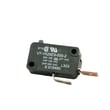
- Door switch circuit issues (for this model, see dishwasher door switch WP99002207)
- Loose or damaged wiring at the door hinge area (flexing can break conductors)
Why it matters
When the control cannot reliably read the keypad/display, the dishwasher may not start, may stop mid-cycle, or may drain unexpectedly. Fixing the communication issue restores normal cycle selection and prevents repeat shutdowns.
If you see other codes too
If your Maytag dishwasher shows additional fault codes along with F2 E2 behavior, use the code list to narrow the failure pattern: Maytag microclean he dishwasher error codes.
Last updated: February 2026
What are the dimensions of the MDB7130AWW?
Most Maytag built-in dishwashers like model MDB7130AWW fit a standard 24-inch opening; expect about 24 inches wide, about 24 inches deep, and about 34 to 35 inches tall with adjustable leveling legs. Measure your cutout and the unit to confirm the best fit.
How to measure for the best fit
- Measure the cabinet opening width at the front and back (target is typically ~24 inches).
- Measure height from floor to underside of countertop (most installs land ~34 to 35 inches).
- Measure depth from the back wall to the front of the cabinet frame.
- Account for door clearance; the door needs room to open fully.
- Check for flooring changes (tile, new vinyl) that can affect height.
Typical built-in dishwasher size guide
| Measurement | Typical range | What can change it |
|---|---|---|
| Width | ~24 in | Cabinet opening, side shims |
| Depth | ~24 in | Door panel thickness, toe-kick clearance |
| Height | ~34 to 35 in | Leveling legs, flooring thickness |
Why it matters
Correct dimensions prevent installation headaches like a dishwasher that will not slide in, a door that rubs the cabinet, or a toe-kick that will not reinstall cleanly. If you are troubleshooting leaks after a move or reinstall, a mis-level condition can also contribute.
Related parts that can come up during install or re-fit
If you are pulling the dishwasher out to measure, these parts are commonly handled or inspected:
- Dishwasher door seal WP902894 (helps prevent leaks around the door)
- Dishwasher drain hose WP99001782 (routing and high-loop affect draining)
- Clamp spring WP596669 (secures hoses and connections)
Last updated: February 2026
Does my Maytag dishwasher have a filter that needs to be cleaned?
Yes. Your Maytag MDB7130AWW dishwasher uses a food-trapping system in the bottom of the tub that should be checked and cleaned regularly to keep wash performance strong and prevent draining issues. Most households get best results cleaning it about once a month (more often with heavy use).
Where the filter area is (and what to look for)
On MDB7130AWW, the filter area is typically under the lower spray arm at the bottom of the dishwasher.
- Pull out the lower rack so you can see the sump area
- Look for a screen and/or removable filter cup assembly
- Check for labels like “twist to remove” or locking tabs
- Inspect for glass, labels, bones, seeds, and grease buildup
- Make sure the lower spray arm spins freely after reassembly
How to clean it safely
- Turn the dishwasher off at the control panel (and let it cool if it just ran).
- Remove the lower rack.
- Lift off or unlock the filter screen/cup (if your version uses a twist-lock, turn it counterclockwise to release).
- Rinse under hot water; use a soft brush for stuck-on debris.
- Reinstall the filter parts fully seated and locked; then reinstall the rack.
Quick do and don’t list
- Do rinse the filter with hot water to dissolve grease
- Do clean the sump area around the filter opening
- Do confirm the filter is locked in place before running a cycle
- Don’t run without the filter/screen installed
- Don’t use harsh abrasives that can damage plastic screens
If you still have poor cleaning or draining
A dirty filter area is common, but these parts can also cause similar symptoms:
| Symptom | Common cause | Related part to check |
|---|---|---|
| Dishes gritty or debris left behind | Clogged spray arm jets | Dishwasher spray arm assembly, lower WP99001788 |
| Dishwasher not filling well | Restricted inlet valve or low supply | Dishwasher water inlet valve WP99001359 |
| Dishwasher won’t drain fully | Kinked/clogged drain hose | Dishwasher drain hose WP99001782 |
For step-by-step cleaning and performance tips, use our guide: how to clean and maintain your dishwasher.
Why it matters
Keeping the filter area clean helps maintain water flow through the pump and spray arms, improves cleaning, reduces odors, and lowers the chance of clogs that can lead to standing water.
Last updated: February 2026
Why is my Maytag dishwasher leaking water underneath?
A Maytag MDB7130AWW dishwasher that’s leaking water underneath is usually leaking from the door area, drain path, or fill components. Start by checking the door seal and the tub corners for gaps, then inspect the drain hose and inlet valve for drips during fill and drain.
Quick checks we recommend first
- Look for water trails at the bottom of the door; this often points to a worn or dirty seal.
- Check the tub corners and baffle/deflector areas for splash-out.
- Confirm the dishwasher is level; a forward tilt can push water past the seal.
- Inspect the drain hose connection under the sink and at the dishwasher for seepage.
- Watch a short cycle with the toe-kick removed to see when the leak starts (fill, wash, or drain).
Most common causes and the right part to consider
| When you see water | Most likely area | What to inspect/replace |
|---|---|---|
| During wash, from front/bottom | Door sealing surface | Dishwasher door seal WP902894 for tears, flattening, or debris on the mating surface |
| During wash, from corners | Tub corner splash control | Deflector, w WP99001885 for looseness or damage |
| During fill, dripping underneath | Fill plumbing | Dishwasher water inlet valve WP99001359 for seepage at the valve body or fittings |
| During drain, water near hose route | Drain line | Dishwasher drain hose WP99001782 for cracks, pinholes, or loose clamps |
How to pinpoint the leak source (fast)
- Fill stage leak: Water appears within the first 1 to 3 minutes; focus on the inlet valve and supply connection.
- Wash stage leak: Water appears after spraying starts; focus on the door seal, loading issues, and splash deflection.
- Drain stage leak: Water appears when the pump drains; focus on the drain hose and its connections.
Why it matters
A small under-dishwasher leak can damage flooring and cabinets, and it can also lead to corrosion on wiring and components. Finding the leak stage (fill, wash, drain) narrows the repair to the correct part and prevents repeat leaks.
Last updated: February 2026
What are the parts of a Maytag dishwasher?
A Maytag dishwasher like model MDB7130AWW is built around a fill system, wash (circulation) system, drain system, and door/latch sealing system. Together, these parts bring water in, spray it through the racks, heat and filter it, then drain it out while keeping the tub watertight.
Main dishwasher systems and what they do
- Fill system: brings water into the tub at the right time and level
- Wash system: circulates water through spray arms to clean dishes
- Filtration: traps food soil so it does not redeposit on dishes
- Drain system: pumps used water out through the drain hose
- Door and safety: keeps the door sealed and confirms it is closed so the unit can run
Common parts you will see on MDB7130AWW
Here are several model-relevant examples from the parts list for MDB7130AWW:
- Dishwasher water inlet valve WP99001359
- Float WP99002363
- Water switch (white) WP99002560
- Dishwasher spray arm assembly, lower WP99001788
- Dishwasher drain hose WP99001782
- Dishwasher door seal WP902894
Quick “part to symptom” guide
| If you notice this | Often involves | Example part for MDB7130AWW |
|---|---|---|
| Not filling or fills slowly | Inlet valve, float, water level switch | WP99001359, WP99002363, WP99002560 |
| Poor cleaning | Spray arm, racks/loading, filtration | WP99001788, W10139223 |
| Won’t drain | Drain hose, drain path restriction | WP99001782 |
| Leaks at the door | Door seal, door closing/latch alignment | WP902894 |
Why it matters
Knowing which system a symptom belongs to helps you troubleshoot faster and order the right Maytag dishwasher parts the first time, especially for common issues like not filling, not draining, poor cleaning, and door leaks.
Last updated: February 2026
What is the most common problem with a Maytag dishwasher?
For the Maytag MDB7130AWW dishwasher, the most common problems we see are poor cleaning, not draining, and leaking. These usually trace back to loading issues, clogged spray paths, or a water flow problem, and they are often fixed with cleaning, simple checks, or a targeted part replacement.
Most common issues and what typically causes them
- Not cleaning well: clogged spray arm holes, blocked lower spray arm, overloading, or low water fill
- Not draining: kinked/blocked drain hose, clogged sump area, or a drain path restriction
- Leaking: worn door seal, door not closing squarely, or oversudsing from wrong detergent
- Not filling enough: inlet valve problem, float stuck up, or a fill switch issue
- Won’t start: door not latching, door switch not closing, or control not sensing a closed door
Quick checks we recommend first (fast, no parts)
- Confirm the spray arms spin freely and aren’t blocked by tall items.
- Clean food debris from the bottom of the tub and around the sump area.
- Run hot water at the sink for 30 to 60 seconds before starting a cycle (helps fill temperature and wash performance).
- Use dishwasher detergent only; avoid hand-dish soap to prevent leaks from suds.
- Inspect the drain hose routing for kinks and a proper high loop.
Parts that commonly solve these symptoms on MDB7130AWW
| Symptom | Common suspect part | What it affects |
|---|---|---|
| Leaks at the door | Dishwasher door seal WP902894 | Seals the tub to the door to prevent water escaping |
| Not filling or fills slowly | Dishwasher water inlet valve WP99001359 | Controls water entering the dishwasher |
| Overfills or fill errors | Float WP99002363 | Signals water level to stop filling |
| Poor cleaning on lower rack | Dishwasher spray arm assembly, lower WP99001788 | Delivers wash water to dishes |
Why it matters
These three problem areas (cleaning, draining, leaking) are connected: low fill or a blocked spray arm reduces wash pressure, leftover debris can restrict draining, and leaks often come from door sealing or excess suds. Fixing the root cause protects the pump, wiring, and kitchen flooring.
For display or blink-code issues, use our Maytag microclean he dishwasher error codes guide to match the symptom to the right troubleshooting path.
Last updated: February 2026





