Owner’s manual
 Error Codes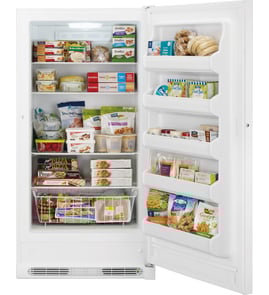


Is Frigidaire FKFH21F7HWA high end?
The Frigidaire FKFH21F7HWA upright freezer is a solid, mainstream freezer, not a luxury or true high-end model. It is built for dependable freezing performance and practical features; for the exact features and operating details for this model, use the FKFH21F7HWA owner's manual.
What “high end” means for upright freezers
In our experience, “high end” usually refers to premium build and convenience features beyond basic freezing.
Typical high-end traits include:
- Premium finishes and upgraded interior lighting
- Advanced temperature management and alarms
- Quieter operation and tighter temperature stability
- More specialized storage and organization features
- Higher-end serviceability and component upgrades
How to judge FKFH21F7HWA in real-world use
Use these quick checks to decide if it fits what you mean by “high end”:
- Temperature control and stability: confirm how the control is set and how long it takes to stabilize after changes.
- Noise level: modern freezers can sound louder when the compressor is running; that is normal during cooling cycles.
- Heat on the outside walls: the cabinet can feel warm during operation; that is normal as heat is moved out of the freezer.
- Door seal quality: a tight seal prevents frost and helps the freezer hold temperature.
Quick comparison
| Category | Mainstream freezer (typical) | High-end freezer (typical) |
|---|---|---|
| Core performance | Reliable freezing | Reliable freezing plus tighter stability |
| Features | Practical, essential | More advanced convenience and monitoring |
| Fit and finish | Standard | Premium materials and design |
| Cost | Lower to mid | Higher |
Why it matters
If you are shopping for “high end” because you want fewer temperature swings, less frost, and more convenience features, it helps to compare the feature list in the manual to your must-haves. If your priority is dependable freezing and straightforward operation, FKFH21F7HWA fits that goal well.
Last updated: February 2026
What is the disadvantage of an upright freezer?
The main disadvantage of an upright freezer like the Frigidaire FKFH21F7HWA is that it loses cold air faster when the door is opened, so it typically uses more energy and can build frost more quickly than a chest freezer. It also stores bulky items less efficiently because of shelves and door bins (see the owner's manual).
Common disadvantages (and what you can do)
- More cold-air loss when opened: Cold air spills out the front, so recovery time and run time increase.
- More frost risk on manual-defrost models: Warm, moist air entering during door openings can speed frost buildup.
- Less flexible space for bulky foods: Shelves, baskets, and door bins can limit tall or awkward items.
- Door-seal sensitivity: If the freezer is not level, the door can misalign and not seal, causing cooling and moisture problems.
- Needs good airflow around the cabinet: In hotter areas, proper clearance for air circulation matters more for stable temperatures.
Upright vs. chest freezer: quick comparison
| Feature | Upright freezer | Chest freezer |
|---|---|---|
| Organization | Easier (shelves, bins) | Harder (stacking) |
| Cold-air loss | Higher | Lower |
| Bulky item storage | More limited | More flexible |
| Frost management | Often more noticeable with frequent openings | Often slower frost buildup |
Why it matters
Cold-air loss and door sealing directly affect temperature stability, frost, and operating cost. For FKFH21F7HWA, correct leveling and a tight door gasket are key to preventing moisture and frost issues.
If you are seeing excess frost or moisture
- Confirm the cabinet is level so the door closes easily when left halfway open.
- Inspect the gasket for gaps, tears, or hardened sections.
- Keep door openings short and make sure packages are not blocking the seal.
- Defrost and clean when frost reaches about 1/4 to 1/2 inch.
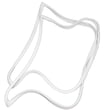
- If the gasket is damaged, replace it with the model-matched freezer door gasket 5304507199.
Last updated: February 2026
What is the life expectancy of a Frigidaire upright freezer?
A Frigidaire upright freezer like model FKFH21F7HWA typically lasts 12 to 16 years, and 10 to 20 years is a normal overall range for upright freezers. Consistent airflow around the cabinet, correct leveling, and keeping the door sealing tightly are the biggest factors that extend service life.
Typical lifespan and what affects it
Most upright freezers reach end-of-life due to sealed-system wear (compressor, evaporator) or chronic frost and moisture issues caused by poor door sealing or ventilation.
- Ventilation: Leave enough space around the freezer for air circulation (especially in hotter climates).
- Leveling: A freezer that is not level can leave the door misaligned, causing frost and moisture problems.
- Door sealing: A leaking gasket makes the unit run longer and builds frost faster.
- Defrost habits: Defrost and clean when frost reaches about 1/4 to 1/2 inch on non-frost-free conditions.
- Cleaning: Wash interior and removable parts with mild detergent and warm water; avoid harsh cleaners.
Quick maintenance checklist (best ROI)
Use these steps to push your freezer toward the high end of the lifespan range:
- Keep the freezer level so the door closes easily and seals.
- Maintain clear airflow around the cabinet.
- Inspect the door gasket for gaps, tears, or hardened sections.
- Remove frost with a plastic scraper (never metal).
- During long storage, clean, dry, and block the door slightly open to prevent odors and mold.
Parts that commonly impact longevity
If you are seeing warm temps, heavy frost, or long run times, these parts are frequent contributors on upright freezers:
| Symptom | Common cause | Example part for FKFH21F7HWA |
|---|---|---|
| Frost buildup, moisture at door | Door not sealing | Freezer door gasket 5304507199 |
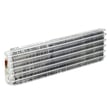
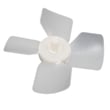
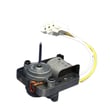
| Warm temps with fan noise changes | Evaporator airflow problem | Motor 297309000 |
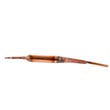
| Frost pattern issues, poor cooling | Defrost system problem | Freezer defrost heater 216730700 |
Why it matters
A freezer that runs longer than normal (often from a poor seal, misleveling, or restricted airflow) puts extra hours on the compressor and control system. Fixing the basics early reduces energy use and helps the freezer reach its full expected lifespan.
Last updated: February 2026