Owner’s manual
 Error Codes


Is there a 30 wide side-by-side refrigerator?
Yes. There are 30-inch-wide side-by-side refrigerators, but the GE GZS23HSEBFSS is not one of them; this model is a larger, full-size side-by-side that’s designed for a 36-inch-wide opening.
A “30-inch” refrigerator is typically built to fit a 30-inch cabinet opening, but you still need extra clearance for doors, leveling, and airflow.
- Measure the cabinet opening width at the front and back
- Check door swing clearance (handles and adjacent walls)
- Plan for leveling space and a flat floor
- Confirm you can get it through doorways and hallways
- Verify water line access if you want ice and water
This GE side-by-side is part of the 36-inch-wide class. The installation section in the documentation shows 36 inches as the width for these models.
| Refrigerator class | Typical cabinet opening | Common overall width |
|---|---|---|
| 30-inch side-by-side | 30 inches | About 29 1/2 to 30 inches |
| Full-size side-by-side (like GZS23HSEBFSS) | 36 inches | About 35 3/4 to 36 inches |
For the exact dimensions and clearances for your configuration, use the GZS23HSEBFSS owner’s manual.
Choosing the correct width prevents delivery problems, door interference, and poor cooling from restricted airflow. It also helps avoid having to remove doors or trim cabinets during installation.
Last updated: January 2026
What is the disadvantage of a side-by-side fridge?
A common disadvantage of a side-by-side refrigerator like the GE GZS23HSEBFSS is reduced usable width in both compartments, which makes wide items (pizza boxes, party trays, large platters) harder to store. The tall, narrow layout can also make it easier to “lose” fresh-food items at eye level.
- Narrow shelves: Large, flat items may not fit without rearranging.
- More bending and reaching: Fresh-food items can end up spread across many shelves.
- Freezer organization can be tricky: Tall stacks can hide items behind others.
- Door clearance matters: Side-by-sides need enough swing space; pinch points between doors and cabinet are tight.
- Humidity and moisture: Higher fresh-food humidity can occasionally cause light fog or moisture; wiping it dry is normal.
| Feature | Side-by-side | French door |
|---|---|---|
| Fits wide platters/pizza boxes | Often harder | Often easier |
| Frozen food access | Eye-level shelves | More drawer-based |
| Fresh-food visibility | Can be “vertical searching” | Often more open |
| Door swing space | Two narrower doors | Two upper doors plus freezer drawer |
- Keep everyday fresh items on the middle shelves (eye level).
- Use bins to group categories (deli, snacks, breakfast) so items do not get buried.
- Store wide items in the fresh-food compartment when possible, not the freezer.
- Avoid overpacking; airflow matters for even temperatures.
- Follow shelf and care guidance in the GZS23HSEBFSS owner's manual.
Most side-by-side complaints come down to shelf geometry and visibility, not cooling performance. When you organize for the tall, narrow layout, you waste less space, find food faster, and reduce spoilage.
Last updated: January 2026
Are GE side-by-side refrigerators good?
Yes. GE side-by-side refrigerators like model GZS23HSEBFSS are a solid choice for everyday use because they typically deliver reliable cooling, easy access to both fresh food and freezer sections, and convenient features such as an in-door ice and water dispenser.
When customers are happy with a side-by-side refrigerator, it usually comes down to these strengths:
- Strong organization: adjustable shelves and door bins make it easier to fit groceries.
- Convenient dispensing: in-door water and ice reduce trips to the sink and freezer.
- Consistent temperatures: steady airflow helps protect food quality.
- Good visibility: many GE models use bright interior lighting.
- Parts support: common wear items (filters, valves, ice maker components) are widely available.
For model-specific features, settings, and care recommendations, use the GZS23HSEBFSS owner's manual.
Side-by-side designs can have a few predictable downsides. Here are the most common ones and what we recommend:
- Narrower freezer space for wide items (pizza boxes, sheet pans).
- Ice maker noise can be noticeable during harvest cycles.
- Slower ice production if the freezer temperature is too warm or the water supply is restricted.
- Water taste/flow issues when the filter is overdue.
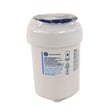
If your dispenser flow is weak or water spurts at first use, replacing the filter and purging air from the line usually fixes it. The correct filter for this model is the refrigerator water filter MWFP.
| Style | Best for | Typical drawback |
|---|---|---|
| Side-by-side | Frequent freezer access, in-door dispensing | Narrow freezer shelves |
| Top freezer | Value and simplicity | Less convenient fresh-food access |
| French door | Wide fresh-food shelves | Often higher cost, more door swing |
A refrigerator can seem “bad” when the real issue is maintenance or a single failing part. On GE side-by-sides, water/ice complaints are often tied to the water filter, water inlet valve, or ice maker components, not the sealed cooling system.
Last updated: January 2026