Installation guide
 Error Codes


How much are electric wall ovens?
Most electric wall ovens cost about $1,200 to $3,500, with budget models sometimes near $500 to $1,000 and premium double ovens often $3,500 to $5,000+. For Whirlpool built-in ovens like GBD307PRS03, total cost also depends on installation, electrical work, and any needed trim or cabinet changes.
What changes the price the most
- Single vs. double oven: double ovens typically cost more.
- Size and cutout: 30-inch built-in ovens are common; custom cabinetry increases labor.
- Features: convection, self-clean, and upgraded controls raise price.
- Electrical requirements: a dedicated circuit or junction box work can add cost.
- Installation complexity: wall cabinet vs. undercounter installs vary.
Typical cost breakdown (what to budget)
| Cost item | Typical range | Notes |
|---|---|---|
| Oven purchase price | $500 to $5,000+ | Wider range for single vs. double and feature sets |
| Professional installation | $200 to $800 | More if cabinet modifications are needed |
| Electrical work (if needed) | $150 to $600+ | Junction box, conduit, wiring corrections |
| Cabinet modifications | $0 to $1,500+ | Depends on cutout and finish work |
Installation details that affect labor
The GBD307PRS03 installation instructions call out common requirements that can impact cost, including a grounded electrical supply, a properly located junction box, and a solid, level support surface. We recommend using the clearances and cutout guidance in the GBD307PRS03 installation guide before you buy a replacement oven or schedule installation.
Why it matters
Built-in wall ovens are priced as both an appliance and a project. Planning for electrical and cabinet fit up front helps avoid last-minute delays, return issues, and extra labor charges.
Last updated: January 2026
What sizes do electric wall ovens come in?
Most electric wall ovens come in 24-inch, 27-inch, and 30-inch widths. For Whirlpool model GBD307PRS03, the installation guide shows it as a 30-inch class built-in oven with an overall width of about 29 3/4 inches, so cabinet cutout sizing needs to match the specified opening.
Common wall oven size ranges
Electric built-in ovens are sized around cabinet openings, so the “listed width” (24, 27, 30) is a class size, not always the exact outside measurement.
- 24-inch: common for smaller kitchens and tight cabinet runs
- 27-inch: common mid-size option
- 30-inch: most common for full-size single and double wall ovens
- Depth: typically designed to fit standard cabinetry; many units land in the low-to-mid 20-inch recessed depth range
- Height: varies most by single vs. double oven configuration
GBD307PRS03 dimensions you should plan around
The GBD307PRS03 installation guide lists these single-oven product dimensions (maximums):
| Measurement type | Typical label | Dimension (approx.) |
|---|---|---|
| Overall width | Outside trim/body | 29 3/4 in |
| Recessed width | Fits into cutout | 28 3/8 in max |
| Overall height | Outside trim/body | 29 in max |
| Recessed height | Fits into cutout | 27 1/2 in |
| Recessed depth | Fits into cutout | 23 in max |
Why it matters
Correct sizing prevents installation problems like the oven not sliding fully into the cabinet, trim not covering the cutout, or the junction box interfering with the recessed cavity. It also helps ensure proper airflow for components like the cooling fan and control area.
Quick sizing checklist before you buy or install
- Measure the cabinet cutout width, height, and depth (not just the old oven’s front trim)
- Confirm whether you have a single or double wall oven opening
- Verify the junction box location so it does not block the oven body
- Check that the support surface is solid, level, and flush
- Match the oven class size (24/27/30) to the cutout requirements in the installation instructions
Last updated: January 2026
How long do Whirlpool wall ovens last?
Most Whirlpool electric wall ovens, including model GBD307PRS03, last 13 to 15 years with normal household use and basic maintenance. Keeping airflow clear, avoiding repeated overheating, and fixing heating or door-seal issues early helps you reach the full lifespan.
Typical lifespan and what affects it
A wall oven’s life is mostly driven by heat stress on electrical parts (elements, thermostats, controls) and how well the oven seals and cools.
- Usage frequency: daily baking shortens life compared to occasional use
- Heat management: blocked vents or a failing cooling fan increases wear
- Door seal condition: a leaking gasket forces longer heat cycles
- Cleaning habits: heavy chemical use or moisture intrusion can damage controls
- Electrical health: loose connections or weak breakers cause intermittent failures
Common “end-of-life” symptoms (and the parts often involved)
If you see these issues, the oven is usually repairable, but repeated failures can signal the oven is nearing the end of its service life.
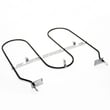
- Uneven baking or slow preheat (often points to a weak oven bake element WPW10207397)
- Oven overheats or shuts down (can involve a high-limit thermostat)
- Door won’t seal, heat escapes, or cooking times increase (often the door gasket)
- Fan runs loudly or the oven area gets unusually hot (cooling fan concerns)
- Display shows error codes or functions stop responding (control-related)
Quick maintenance checklist to extend life
Use these habits to reduce stress on heating and cooling components.
| Maintenance task | How often | Why it matters |
|---|---|---|
| Wipe spills after the oven cools | After messy cooks | Prevents baked-on residue and smoke |
| Inspect door seal for gaps/tears | Every 6 months | Keeps heat in, protects controls |
| Keep vents and airflow paths clear | Ongoing | Helps the cooling system do its job |
| Confirm proper operation after power events | As needed | Power interruptions can trigger “PF” and odd behavior |
For model-specific installation clearances, electrical junction box placement, and basic operation checks (including “PF” after power is restored), follow the GBD307PRS03 installation guide.
Why it matters
A wall oven is a high-heat, high-current appliance. When the door seal leaks or the oven can’t cool properly, parts like the bake element, thermostat, and controls cycle harder and fail sooner.
Last updated: January 2026
How do I get my whirlpool oven out of lock mode?
To take your Whirlpool wall oven model GBD307PRS03 out of lock mode, press and hold the Control Lock key (or the key/lock icon) for about 3 to 5 seconds until the lock indicator clears. If the control stays locked, reset power at the breaker, then try again.
Quick steps to unlock the controls
- Press and hold Control Lock (or the lock icon key) for 3 to 5 seconds.
- Watch for the display to change (the lock indicator clears) and listen for a beep.
- If it will not unlock, turn OFF the oven circuit breaker for 1 minute, then turn it back ON.
- After power is restored, if you see “PF” on the display, that indicates a power interruption and the control is ready to be set up again.
- Try the Control Lock press-and-hold again once the display is stable.
If the door is physically latched (self-clean lock)
Some lock complaints are actually a door lock issue (often after Self Clean). If the door will not open or the latch seems engaged:
- Let the oven cool completely.
- Cancel any active cycle (OFF/CANCEL).
- Restore power (breaker reset) and wait a few minutes for the lock motor to relax.
- If the latch mechanism is not releasing, inspect the door lock components and wiring.
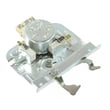
If you’re replacing a failed lock mechanism on this model, the correct assembly is the range oven door lock assembly WP9760889.
What you should see on the display
| Display/behavior | What it usually means | What to do |
|---|---|---|
| “LOC” or lock icon | Control Lock is on | Press and hold Control Lock 3 to 5 seconds |
| “PF” after breaker reset | Power was interrupted | Set clock, then retry unlocking |
| Door won’t open after Self Clean | Door lock still engaged | Cool down, cancel cycle, reset power |
Why it matters
Control Lock prevents accidental keypad presses, but if it stays on, it can look like the oven is “dead.” A quick unlock or power reset restores normal baking and broiling without replacing parts.
For model-specific control and installation details, use the GBD307PRS03 installation guide.
Last updated: January 2026