 Installation guide
 Owner’s manual
 Error Codes



Can a clogged drain cause an FTD error?
Yes. On the GE GLDA696P02SS dishwasher, an FTD (fail to drain) error commonly happens when the drain path is restricted, so the pump cannot push water out. Clearing the filter area, drain hose, and disposal or sink connection usually restores normal draining.
What to check first (fast, common fixes)
- Cancel the cycle and let the unit sit at least 20 minutes before reaching inside (heating element burn risk).
- Remove standing water if needed, then inspect the sump area for debris (bones, fruit pits, labels).
- Clean the filter area; trapped objects can clog the drain system.
- Check the drain hose for kinks, pinches, or a blockage.
- If connected to a garbage disposal, confirm the disposal inlet knockout plug was removed.
- Run a short rinse cycle and listen for the drain pump; you should hear a steady pump-out sound.
Filter and spray arm cleaning (helps prevent repeat FTD)
GE notes that objects can collect in openings and should be removed occasionally to avoid clogging the drain system. Use the cleaning steps in the GLDA696P02SS owner’s manual.
Typical cleaning approach:
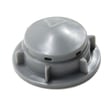
- Twist the spray arm retaining nut about 90 degrees to remove the spray arm.
- Wash spray arms in warm, soapy water; use a soft brush to clear jets.
- Reinstall after rinsing thoroughly.
When a part is likely involved
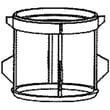
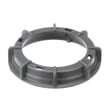
If the drain path is clear but FTD returns, a restricted or damaged filter can contribute to poor water movement and draining performance. For this model, the micro filter WD12X10286 is a common maintenance and replacement item.
| Symptom | Most likely cause | Best next step |
|---|---|---|
| Water remains in tub | Clogged filter or drain hose | Clean filter area and hose |
| Drains slowly | Partial blockage, kinked hose | Clear restriction, reroute hose |
| Hums but won’t drain | Debris at pump inlet or impeller area | Remove obstruction, inspect sump |
Why it matters
An FTD condition leaves dirty water in the tub, reduces cleaning performance, and can cause odors. Keeping the filter and spray arms clean helps the dishwasher flush away normal food soils and prevents drain restrictions.
Last updated: February 2026
What is the average lifespan of a GE dishwasher?
A GE dishwasher typically lasts 10 to 12 years with normal household use. For your GE GLDA696P02SS, regular cleaning, correct detergent use, and fixing small issues early (like poor draining or leaks) are the biggest factors in reaching that average.
What affects dishwasher lifespan most
- Water quality and hard water buildup (scale can stress the pump and heater)
- Filter and sump cleanliness (clogs reduce wash performance and increase strain)
- Door seal condition (leaks can damage components and flooring)
- Loading habits (overloading can block spray arms and cause repeat cycles)
- Heat-dry and cycle selection (heavy cycles and high heat add wear over time)
Maintenance that helps you reach 10 to 12 years
Use the care steps in the GLDA696P02SS owner’s manual as your baseline. In general, we recommend:
- Clean the filter area regularly; replace a damaged filter such as the micro filter WD12X10286 when needed
- Run a monthly cleaning cycle (dishwasher cleaner or approved method)
- Keep the spray arms clear of labels, seeds, and glass shards
- Check for slow filling or no-fill symptoms; a failing inlet valve like the dishwasher water inlet valve WD15X10010 can shorten lifespan
- Address draining problems quickly (standing water accelerates odor and corrosion)
Quick expectations by age
| Dishwasher age | What’s typical | What to do |
|---|---|---|
| 0 to 5 years | Minor adjustments, occasional clogs | Focus on cleaning and correct loading |
| 6 to 10 years | Wear items show up (rollers, seals, valves) | Replace common parts, prevent leaks |
| 10 to 12 years | More frequent repairs possible | Compare repair cost vs. replacement |
| 13+ years | Higher risk of major component failure | Plan for replacement if repairs stack up |
Why it matters
Knowing the average lifespan helps you decide when a repair is a smart investment. A simple fix (filter, inlet valve, rack hardware) can extend service life, but repeated leak or motor-related issues near year 10+ often change the value equation.
Last updated: February 2026
What is the most common problem with a GE dishwasher?
The most common GE dishwasher issue is poor cleaning caused by water flow problems: low incoming hot water temperature, a clogged air gap or disposer connection, or loading that blocks the spray arms or detergent cup. For your GE GLDA696P02SS, these checks are the fastest place to start; see the owner's manual troubleshooting section.
Quick checks we recommend first
- Run the hot water at the sink until it is fully hot, then start the cycle (helps prevent weak wash performance).
- Confirm water pressure at the sink is normal (temporary low pressure can reduce cleaning).
- Check and clean the air gap (if your installation has one) and make sure the disposer inlet is clear.
- Reload so large pans do not block the detergent dispenser door or spray arms.
- Clean the filter area regularly; a restricted filter reduces circulation.
Common symptoms and what they usually point to
| Symptom | Most common cause | What to do next |
|---|---|---|
| Dishes come out dirty | Water not hot enough at fill | Purge hot water at sink before starting; verify hot supply |
| Film or spots on glassware | Poor wash action or water conditions | Improve loading, confirm hot water, clean filter/air gap |
| Detergent door not opening | Blocked by dishes or dispenser issue | Reload; inspect the dispenser door and latch |
| Slow drain or standing water | Air gap/disposer clog or drain restriction | Clean air gap; clear disposer inlet; check drain path |
When a part is the likely fix
If the basics check out and performance is still poor, these model-matched parts are common “next suspects”:
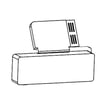
- A sticking dispenser can prevent detergent from releasing; consider the dishwasher detergent dispenser assembly WD12X23625.
- A restricted filter can reduce circulation; inspect and clean, then replace if damaged using the micro filter WD12X10286.
Why it matters
Most “GE dishwasher problems” start as simple flow or loading issues; fixing hot water delivery, clearing the air gap/disposer path, and keeping the filter clean restores normal wash pressure and detergent action without unnecessary part swaps.
Last updated: February 2026





