Owner’s manual
 Error Codes


What is the most common problem with a GE refrigerator?
The most common GE refrigerator complaint is not cooling well (fresh food or freezer too warm). On the GE GSH22JGDDBB, the owner's manual troubleshooting chart points first to control settings, door left open, and normal defrost operation before you move on to parts like sensors, fans, or the control board.
Quick checks we recommend first
- Confirm the unit is plugged in and the breaker is on.
- Make sure the freezer control is not set to 0 (off).
- Check for a package holding a door open; frequent door openings quickly warm compartments.
- Allow time after changes; after first plug-in, cooling can take up to 24 hours.
- If it seems “dead,” wait about 30 minutes in case it is in a defrost cycle.
Common symptoms and the most likely causes
| Symptom | Most likely cause | What to do next |
|---|---|---|
| Refrigerator or freezer too warm | Controls not set cold enough, door left open, warm weather | Adjust one step colder; recheck in several hours |
| Long run times | Normal cycling on modern units, frequent door openings | Verify door seal and airflow; avoid overloading |
| Strange noises (gurgling, sizzling, popping) | Normal refrigerant flow and defrost sounds | No repair needed unless cooling is affected |
| Ice maker not working | Power switch OFF, water supply off, freezer too warm | Turn on switch and water; lower freezer temp |
| Water dispenser slow/no water | Clogged filter, air in line, dispenser locked | Replace filter; purge air; unlock dispenser |
Parts that often solve “not cooling” or airflow complaints
If the basics check out and temperatures still drift, these model-matched parts are common fixes:
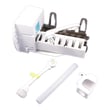
- Refrigerator temperature sensor WR55X10025 (temperature feedback issues)
- Rca refrigerator evaporator fan motor WR60X10185 (weak/no airflow from freezer)
- Refrigerator electronic control board WR55X11072C (erratic temps or control problems)
Why it matters
Cooling problems can spoil food quickly, and airflow issues can also trigger frost buildup and longer run times. Starting with the simple checks prevents unnecessary part replacement and gets you to the right repair faster.
Last updated: February 2026
Are GE side-by-side refrigerators good?
Yes. GE side-by-side refrigerators like model GSH22JGDDBB are a solid choice when you want easy access to both fresh food and frozen items, adjustable storage, and common convenience features like an ice maker and water dispenser. Use the owner's manual to match features and care steps to your exact configuration.
What “good” usually means for this GE side-by-side
We judge overall quality by day-to-day usability, temperature stability, and how easy it is to maintain.
- Storage and organization: side-by-side layout keeps frequently used items at eye level
- Convenience features: many units include an automatic icemaker and dispenser
- Maintenance needs: water filters and cleaning routines matter more than most owners expect
- Noise expectations: normal operating sounds are common on side-by-side designs
- Repairability: common wear items (filters, valves, sensors, fans) are replaceable
Quick maintenance checklist (keeps performance “good”)
A lot of “this fridge isn’t good” complaints trace back to airflow, filters, or dispenser issues.
- Replace the water filter about every 6 months, or sooner if flow slows
- Keep vents inside the refrigerator and freezer clear of packages
- Wipe and dry the dispenser area to prevent mineral deposits
- If ice or water acts up, check for air in the line and purge the dispenser
- Listen for fan noise changes; a failing fan can cause warm temps
Common parts that affect satisfaction
| Symptom | Often involved system | Example part for GSH22JGDDBB |
|---|---|---|
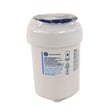
| Slow water flow or bad taste | Filtration | GE refrigerator water filter MWFP |
| No water to dispenser/ice maker | Water inlet | Refrigerator water valve WR57X33326 |
| Temps swing or food spoils faster | Temperature sensing | Refrigerator temperature sensor WR55X10025 |
| Warm fridge, noisy airflow | Evaporator fan | Rca refrigerator evaporator fan motor WR60X10185 |
Why it matters
Side-by-side refrigerators depend on steady airflow and consistent water supply. When filters clog, valves stick, or fans slow down, you can see weaker cooling, slower ice production, and more noise, even though the refrigerator itself is fundamentally a good design.
Last updated: February 2026
How to reset GE bottom freezer ice maker?
On the GE GSH22JGDDBB, there typically is not a dedicated “reset” button for the ice maker; the practical reset is to turn the ice maker off, then back on using the ice maker power switch, then allow time for the freezer to reach 15°F so the ice maker can restart its cycle. See the owner's manual for your exact switch location and operating details.
Quick reset steps (power-cycle the ice maker)
- Make sure the refrigerator is connected to the water supply and the shutoff valve is open.
- Slide the ice maker power switch to OFF.
- Wait 30 seconds.
- Slide the power switch back to ON.
- Close the freezer door and wait for the freezer to reach 15°F (-9°C) or below.
- Allow 12 to 24 hours for a newly installed or recently restarted unit to begin making ice.
If it still will not make ice
These checks solve most “no ice” complaints after a reset:
- Freezer too warm: set the freezer control colder and wait 24 hours.
- Bin/feeler arm blocked: level piled cubes by hand; make sure nothing interferes with the feeler arm.
- Cubes stuck in the mold: turn the ice maker off, remove stuck cubes, then turn it back on.
- Water supply issue: confirm the supply line is connected and not kinked.
- Clogged filter: replace the water filter if flow is weak or cubes are small/hollow (use GE refrigerator water filter MWFP).
What to expect after a reset
| Situation | What’s normal | What to do |
|---|---|---|
| First start or restart | Delay before first ice | Wait 12 to 24 hours |
| First batches | Cloudy or odd-tasting ice | Discard the first few batches |
| Low production | Fewer cubes per day | Reduce door openings; verify freezer temp |
Why it matters
A “reset” that does not include restoring water supply and proper freezer temperature will not restart ice production. The ice maker only begins operating once the freezer is cold enough and the power switch is on.
Last updated: February 2026