 Owner’s manual
 Error Codes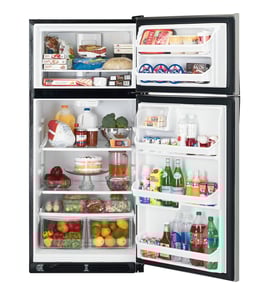


What are the disadvantages of a top mount fridge?
A top-mount refrigerator like the GE GTH17DBDFRWW puts the freezer at eye level and the fresh-food section below; the main disadvantages are more bending to reach everyday refrigerated items, fewer convenience features on many models, and less flexible organization compared with some bottom-freezer designs. For model-specific use and setup details, use the owner's manual.
Common drawbacks you may notice
- More bending for fresh food: the refrigerator compartment is lower, so produce drawers and lower shelves take more reaching.
- Organization can feel tighter: many top-mount layouts have fewer adjustable bins and specialty zones than some newer designs.
- Fewer built-in convenience options: external water and ice dispensers are less common on basic top-mount models.
- Freezer access is great, fridge access is not: frozen items are easy to grab, but milk, produce, and leftovers may be less ergonomic.
- Door-swing clearance matters: in tight kitchens, you may need extra space to open doors fully and access drawers.
Quick comparison: top mount vs bottom freezer
| Feature | Top mount (like GTH17DBDFRWW) | Bottom freezer |
|---|---|---|
| Everyday fresh-food access | Lower, more bending | Higher, easier reach |
| Freezer access | Higher, easy reach | Lower, more bending |
| Typical feature set | Often simpler | Often more feature-rich |
| Organization flexibility | Often basic | Often more configurable |
Setup details that affect day-to-day usability
Even if you keep a top-mount, correct setup reduces frustration (doors that swing shut, poor access, warm spots).
- Level the refrigerator so doors close easily when opened about halfway.
- Keep recommended airflow clearances around the cabinet.
- Avoid installing where room temperature drops below about 60°F.
- Keep fingers clear of pinch points around door hinges and door edges.
Those setup and clearance guidelines are covered in the owner's manual.
Why it matters
Most “disadvantages” come down to ergonomics and storage habits. If you use the fresh-food section far more than the freezer, the lower refrigerator compartment is the biggest tradeoff; good leveling and shelf organization help you get the most out of the design.
Last updated: February 2026
Is a top mount or bottom mount fridge better?
For most households, a bottom-mount refrigerator is better for everyday convenience because fresh-food items sit at eye level, so you bend less. A top-mount like the GE GTH17DBDFRWW is often a better value and can be simpler to live with if you use the freezer frequently.
Quick comparison (what changes day to day)
| Feature | Top-mount (freezer on top) | Bottom-mount (freezer on bottom) |
|---|---|---|
| Fresh-food access | Lower shelves require more bending | Most-used shelves are higher and easier to reach |
| Freezer access | Easy to reach, good for frequent freezer use | Often a pull-out drawer; great for organizing |
| Typical cost | Usually lower | Usually higher |
| Common fit/space | Often slightly shorter overall | Often taller; check cabinet height |
When a top-mount is the better choice
A top-mount refrigerator is a strong pick when these are your priorities:
- You use the freezer daily and want it at a comfortable height.
- You want a straightforward layout with fewer moving drawer parts.
- You are replacing an older top-mount and want a similar fit.
- You want to keep purchase and repair costs predictable.
When a bottom-mount is the better choice
A bottom-mount refrigerator tends to win when:
- You cook often and reach into the refrigerator section many times per day.
- You want less bending for produce drawers and lower shelves.
- You prefer freezer organization with baskets and pull-out access.
Fit and installation details that matter
No matter which style you choose, proper clearance and leveling affect performance and door closing.
- Plan for airflow clearance around the cabinet.
- Level the refrigerator so doors close easily.
- Avoid extension cords; use a dedicated grounded outlet.
For the GE GTH17DBDFRWW, we recommend confirming clearances and leveling steps in the owner's manual.
Typical clearance targets (common guidance)
| Location | Typical clearance |
|---|---|
| Sides | About 3/4 inch |
| Top | About 1 inch |
| Back | About 2 inches |
Why it matters
Choosing top-mount vs bottom-mount is mostly about ergonomics and how you store food. The “better” option is the one that matches your habits: freezer-heavy households often prefer top-mount, while fresh-food-heavy households usually prefer bottom-mount.
Last updated: February 2026
What is the most common problem with GE profile refrigerators?
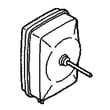
The most common GE Profile refrigerator problems are ice maker issues and temperature or cooling complaints. On GE model GTH17DBDFRWW, the most frequent root causes behind “not cold enough” symptoms are airflow and defrost-related failures, such as a weak evaporator fan motor or a defrost heater problem; both can also lead to frost buildup and warm sections.
Common symptoms we see (and what they usually point to)
- Freezer cold but fresh food warm: restricted airflow, often an evaporator fan issue
- Frost or ice buildup on the back wall of the freezer: defrost system problem
- Noisy humming or squealing from freezer area: evaporator fan motor or mounting grommet wear
- Warm temps in both sections: sealed system or compressor-related issue (less common, higher impact)
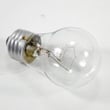
- Interior light out: bulb failure (simple fix, but unplug first)
Quick checks before replacing parts
Unplug the refrigerator before cleaning or repairs; turning the temperature control to OFF does not remove power to the light circuit. For model-specific access steps and safety notes, use the GTH17DBDFRWW owner's manual.
- Confirm controls are set to normal operating temps (not OFF)
- Make sure vents inside the refrigerator are not blocked by food
- Check door gaskets for gaps, rips, or areas not sealing
- Listen for the evaporator fan running when the compressor is on
- Look for heavy frost that returns quickly after a manual defrost
Parts that commonly solve cooling complaints on this model
If your symptoms match, these are common repair paths for GTH17DBDFRWW:
| Symptom | Likely system | Example part on this page |
|---|---|---|
| Warm fresh food, freezer OK | Airflow | Refrigerator evaporator fan motor WR60X31522 |
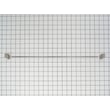
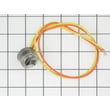
| Frost buildup, poor cooling | Defrost | Refrigerator defrost heater WR51X10038 |
| Door not sealing, moisture/frost | Door seal | Refrigerator door gasket (white) WR24X10229 |
Why it matters
Cooling and ice maker complaints often start as airflow or defrost problems. Fixing those early helps prevent food spoilage, reduces run time, and avoids strain on major components like the compressor.
For ordering, we list replacement parts for GE GTH17DBDFRWW on this page; you can also search by model number on Sears PartsDirect.
Last updated: February 2026
What is the average life expectancy of a GE refrigerator?
Most GE refrigerators average 12 years of service life; a well maintained unit commonly reaches 10 to 15 years. For your GE GTH17DBDFRWW top-mount refrigerator, routine care (cleaning, airflow, and good door sealing) is what most directly determines how long the sealed system and fans last.
Typical lifespan ranges (what we see most often)
- Average overall lifespan: about 12 years
- Common real-world range: 10 to 15 years
- With excellent maintenance: 15+ years
- Shortened lifespan drivers: dirty condenser area, poor door sealing, overheating, frequent power issues
| Item | Typical impact on lifespan | What to do |
|---|---|---|
| Condenser area airflow | High | Keep the back/bottom area clear of dust and lint |
| Door gaskets sealing | High | Inspect for gaps, tears, and warm air leaks |
| Evaporator fan operation | Medium to high | Address squealing, grinding, or no-airflow symptoms quickly |
| Temperature settings | Medium | Keep steady, food-safe temps; avoid extreme cold settings |
Maintenance that adds years (and prevents expensive repairs)
- Vacuum dust from the condenser area and surrounding vents regularly.
- Keep door gaskets clean so they seal; wipe spills and sticky residue.
- Confirm the doors close on their own and do not pop back open.
- Avoid overpacking; blocked vents reduce airflow and strain the evaporator fan.
- If you notice warm temps or heavy frost, troubleshoot early to prevent compressor overwork.
Why it matters
A refrigerator usually fails early because it runs hot or runs constantly. Good airflow and a tight door seal reduce run time, which protects high-cost components like the compressor and cooling fans.
Parts that commonly come up as a refrigerator ages
If cooling gets uneven, noise increases, or frost builds up, these model-compatible parts are often involved:
- Refrigerator evaporator fan motor WR60X31522
- Refrigerator defrost heater WR51X10038
- Refrigerator door gasket (white) WR24X10229
For model-specific use and care details (including cleaning guidance and operating tips), follow the owner's manual. For ordering replacement parts by model number beyond the list shown, use Sears PartsDirect.
Last updated: February 2026
How to figure out GE fridge model?
Your GE refrigerator’s model number is printed on the model and serial label. On GE model GTH17DBDFRWW, that label is located on the upper left side of the fresh food (refrigerator) compartment; use the model number to match the correct parts list and manual for your exact unit. See the GTH17DBDFRWW owner's manual.
Where to look (fast checklist)
- Open the fresh food door (not the freezer door).
- Look along the upper left interior wall.
- Find a sticker or plate that lists Model # and Serial #.
- Write both numbers down exactly as shown.
- Use the model number when ordering parts like a door gasket, evaporator fan motor, or light bulb.
What the label information is used for
| Label item | What it tells us | Why you need it |
|---|---|---|
| Model number | Exact design and parts breakdown | Ensures the right GE refrigerator parts fit |
| Serial number | Production details for your unit | Helps confirm version changes and service history |
Why it matters
GE often uses similar-looking cabinets across multiple top-mount refrigerators, but parts can differ by model and serial range. Using the exact GTH17DBDFRWW model number prevents ordering the wrong door gasket, fan motor, or electrical part.
Parts you might commonly match to the model
If you are troubleshooting while you have the door open, these are common model-matched items customers replace:
- Interior light: GE appliance light bulb, 40-watt 40A15
- Noisy or warm fridge symptoms: refrigerator evaporator fan motor WR60X31522
- Frost buildup or warm freezer: refrigerator defrost heater WR51X10038
- Door not sealing: refrigerator door gasket (white) WR24X10229 or refrigerator freezer door gasket WR24X10228
You can order replacement parts for GTH17DBDFRWW from the parts list for this model, or search by model number on Sears PartsDirect.
Last updated: February 2026





