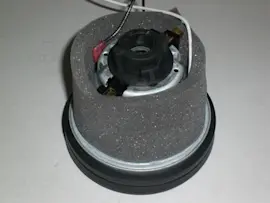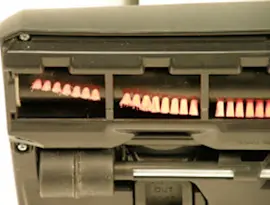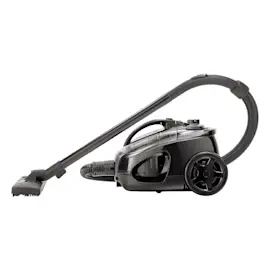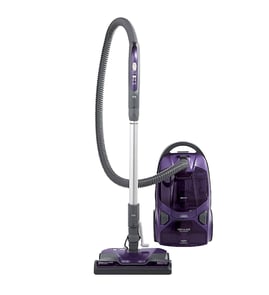

What is a canister hoover?
A canister hoover (canister vacuum) is a vacuum where the motor and dust collection sit in a separate canister that rolls on the floor, connected to a hose and wand. On Kenmore model 11628614803, this design makes it easier to clean under furniture and reach tight spaces.
How a canister vacuum is set up
Most canister vacuums, including Kenmore canister models, use these main pieces:
- Canister body: holds the suction motor and dust bag or dust bin
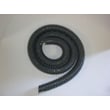
- Hose: carries airflow and debris from the floor tool to the canister
- Wand: extends your reach for floors, stairs, and above-floor cleaning
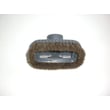
- Floor tool or power head: cleans carpet and hard floors (some have a brush roll)
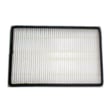
- Filters: protect the motor and help reduce dust in the exhaust air
Why people choose a canister vacuum
Canister designs are popular because they balance power and maneuverability.
| Cleaning need | Why a canister helps | What to watch for |
|---|---|---|
| Under beds and sofas | Low-profile tools reach farther | Keep the hose clear of kinks |
| Stairs | Lighter wand in hand, canister stays on step | Use a stable parking spot for the canister |
| Hard floors | Smooth floor tools reduce scatter | Clean filters to maintain airflow |
| Tight corners | Crevice tools and wand reach easily | Check for clogs if suction drops |
Why it matters for troubleshooting
Knowing it is a canister vacuum helps you diagnose common issues faster. For example, weak suction is often caused by a full bag/bin, a clogged hose or wand, or a dirty filter, not the motor.
- If suction is low, check the bag/bin and filters first
- If airflow seems restricted, inspect the hose and wand for a blockage
- If a brush roll is involved, belt or brush issues can affect carpet cleaning
For step-by-step repair and symptom help, use our vacuum repair-guides landing page.
Last updated: February 2026
How long do Kenmore canister vacuums last?
A Kenmore canister vacuum like model 11628614803 typically lasts 10 years with normal household use and basic upkeep; heavy use and poor airflow maintenance can shorten that, while consistent care (bags, filters, clogs) can push service life well beyond a decade.
Typical lifespan ranges
Most canister vacuums fall into these practical ranges:
- Light use (1 to 2 times/week): about 10 to 15 years
- Average use (2 to 4 times/week): about 8 to 12 years
- Heavy use (daily, large homes, lots of pet hair): about 5 to 10 years
- Poor maintenance (clogs, dirty filters, overfilled bags): often 3 to 7 years
What shortens (or extends) vacuum life
Airflow is the biggest driver of longevity because restricted airflow makes the motor run hotter.
- Replace or clean filters on schedule
- Change the bag before it is packed full
- Clear hose and wand clogs quickly
- Keep the power nozzle brush roll free of hair and string
- Avoid vacuuming fine drywall dust or fireplace ash unless your setup is designed for it
Quick “repair vs. replace” guide
Use this as a simple decision check.
| Symptom | Most common cause | Usually worth fixing? |
|---|---|---|
| Weak suction | Clog, full bag, dirty filter | Yes |
| Brush roll not spinning | Belt, jam, brush roll wear | Yes |
| Shuts off during use | Overheat from restriction | Yes |
| Burning smell or loud motor whine | Motor or bearing wear | Sometimes |
Why it matters
A canister vacuum that is maintained for airflow (bag, filters, clogs) protects the suction motor and keeps cleaning performance consistent, which is what most owners notice first as the vacuum ages.
Related DIY help
For step-by-step troubleshooting and common fixes, use our vacuum repair-guides landing page.
Last updated: February 2026
Where to find model number on Kenmore canister vacuum?
On your Kenmore canister vacuum model 11628614803, the model number is printed on the model and serial number plate (a small rating label) attached to the vacuum body. Check the canister housing first; that is the most common location.
Common places to check
Look for a sticker or metal plate with “Model” and “Serial” on it. On most Kenmore canister vacuums, it is found in one of these spots:
- On the bottom of the canister (flip the canister over and look near the wheels)
- On the back or side of the canister body near the cord rewind area
- Under the bag door or dust compartment cover (inside the canister)
- Near the hose connection port where the hose plugs into the canister
- On the power nozzle (less common, but sometimes a second label is there)
How to read and record it
Use the model number exactly as printed so you get the right Kenmore vacuum parts list and diagrams.
| What you see on the label | What it’s used for | Example format |
|---|---|---|
| Model number | Identifies the exact vacuum version | 116.28614803 or 11628614803 |
| Serial number | Production tracking | Letters and numbers |
Why it matters
Kenmore canister vacuums often have multiple versions that look similar but use different parts (filters, hose assemblies, power nozzle belts, brush rolls). Using the exact model number helps us match the correct replacement parts and repair instructions.
Helpful DIY resource
If you are troubleshooting while you have the vacuum open, our vacuum repair-guides landing page covers common canister vacuum symptoms and repairs.
Last updated: February 2026
Why is my Kenmore vacuum brush not turning?
On your Kenmore canister vacuum model 11628614803, the power nozzle brush usually stops turning because the drive belt is broken or slipped, the brush roll is jammed with debris, or airflow is restricted enough to trigger a protective shutoff. Fixing the belt and clearing the brush roll solves most cases.
Quick checks (do these first)
- Unplug the vacuum before servicing the power nozzle.
- Set the carpet selector (if equipped) to the correct height; too-low settings can stall the brush.
- Clear hair, string, and debris from the brush roll and end caps.
- Check for clogs in the wand, hose, and power nozzle air path.
- Confirm the power nozzle is fully seated on the wand and the electrical connections are secure.
Most common causes and what to do
| Symptom | Most likely cause | What we do | Typical fix |
|---|---|---|---|
| Brush roll never spins | Belt broken or off track | Open nozzle, inspect belt routing | Replace or reinstall belt |
| Brush roll starts then stops | Brush roll jam or tight bearings | Spin brush by hand; it should turn freely | Clean end caps or replace brush roll |
| Brush roll spins but cleans poorly | Clog or full bag/filter restriction | Check suction and airflow | Clear clog; replace bag/filter |
| Brush roll stops on thick carpet | Height too low or belt slipping | Raise height; inspect belt wear | Adjust height; replace belt |
Step-by-step: belt and brush roll inspection
- Unplug the vacuum and flip the power nozzle over.
- Remove the bottom plate or brush cover screws.
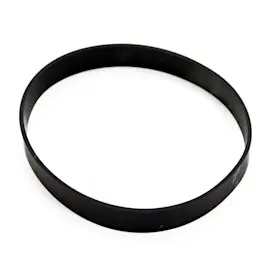
- Lift out the brush roll and inspect the belt for cracks, glazing, stretching, or breakage.
- Clean the brush roll, especially at the ends where hair packs in.
- Reinstall the belt so it sits straight on the motor shaft and brush roll, then reassemble.
For a visual walkthrough of the brush roll process, use our guide: how to replace a vacuum beater bar.
Why it matters
A stalled brush roll reduces carpet agitation, which makes the vacuum seem like it has low suction and can overheat the power nozzle motor or wear the belt faster. Keeping the brush roll clean and the belt in good shape restores cleaning performance.
Last updated: February 2026
What is the best vacuum canister?
The “best” canister vacuum depends on your floors and how you clean. For most homes, the best choice is the canister that matches your mix of carpet vs. hard floors, has strong sealed filtration, and is easy to maintain; Kenmore canister models like 11628614803 are built for versatile whole-home cleaning.
How we recommend choosing the best canister vacuum
- Floor type: Power nozzle for carpet; straight suction nozzle is often enough for hard floors.
- Filtration needs: If allergies are a concern, prioritize sealed filtration and a quality exhaust filter.
- Bagged vs. bagless: Bagged canisters usually keep dust contained better and maintain airflow longer.
- Pet hair: Look for a motorized brush roll and easy-access brush roll cleaning.
- Cord and hose reach: Longer reach reduces outlet changes and makes stairs easier.
Quick comparison: what “best” means for different homes
| Your home situation | What to prioritize | Why it helps |
|---|---|---|
| Mostly carpet | Motorized power head + strong agitation | Lifts embedded grit and hair |
| Mostly hard floors | Smooth floor tool + strong suction control | Prevents scatter and improves pickup |
| Pets | Brush roll design + clog resistance | Reduces hair wrap and blockages |
| Allergies | Sealed system + high-efficiency filtration | Keeps fine dust from leaking back out |
Why it matters
A canister vacuum can look “powerful” but still clean poorly if airflow is restricted (full bag, clogged hose, dirty filters) or if the nozzle is wrong for the surface. Matching the tool and keeping airflow open is what delivers real cleaning performance.
If your Kenmore 11628614803 is not performing like the “best”
Use this checklist before replacing the vacuum:
- Replace the bag (or empty the bin) before it is packed full.
- Check the hose, wand, and nozzle for clogs.
- Clean or replace filters on schedule.
- Inspect the brush roll area for hair wrap and belt slip.
For step-by-step troubleshooting and repair help, use our vacuum repair-guides landing page.
Last updated: February 2026