Owner’s manual



How to tell if an LG dryer heating element is bad?
A bad heating element in your LG DLE5932W dryer usually shows up as no heat or weak heat even though the drum tumbles normally. The most reliable check is a continuity or resistance test at the element terminals; most electric dryer elements read in the low tens of ohms when good (often around 20 ohms).
Quick symptoms that point to the heating element
- Dryer runs but clothes stay cold or barely warm
- Cycle time gets much longer than normal
- No “warm exhaust air” during a heat cycle (after a few minutes)
- Breaker trips when heat should turn on (can also be wiring or element short)
How we test the heating element (basic method)
- Unplug the dryer (or switch off the breaker). Electric dryers use high voltage.
- Access the heater housing (panel removal varies by design); follow the owner's manual.
- Pull at least one wire off the heating element terminal so you do not read back through the circuit.
- Set a multimeter to ohms (Ω) and measure across the two element terminals.
What readings mean
| Meter result | What it usually means | Next step |
|---|---|---|
| ~10 to 30 Ω (often ~20 Ω) | Element coil is likely intact | Check airflow and thermostats |
| OL / infinite resistance | Element is broken (open) | Replace the heating element |
| Very low Ω (near 0) | Possible shorted coil | Replace the heating element and inspect wiring |
Related parts that can mimic a “bad element”
If the element tests good, these parts commonly stop heat on the DLE5932W:
- Thermostat 6931EL3001E (high-limit protection)
- Dryer blower thermostat 6931EL3002M (temperature control)
- Dryer thermistor AGM30045804 (temperature sensing)
Why it matters
A dryer that tumbles but does not heat is often a control or safety cutoff issue, not just the heater. Testing the element first prevents unnecessary part replacement and helps restore normal drying times and safe operating temperatures.
Last updated: February 2026
What is the life of an LG dryer?
An LG dryer like model DLE5932W typically lasts 10 to 15 years with normal household use. Keeping airflow strong (clean lint filter, clear venting) and fixing wear items early helps the dryer heat correctly and reduces strain on the motor and drum system.
What affects dryer lifespan the most
- Vent restriction (long runs, crushed duct, lint buildup) that causes overheating and long dry times
- Overloading that stresses the drum belt, idler pulley, and drum rollers
- Skipped cleaning (lint screen, lint chute, blower area)
- Heat system stress from poor airflow (can trip thermostats and shorten heater life)
- Moisture and corrosion in laundry rooms with poor ventilation
Maintenance that helps your DLE5932W reach 10 to 15 years
Use the care and maintenance schedule in the owner's manual. In day-to-day use, these habits make the biggest difference:
- Clean the lint screen every load
- Check the outside vent hood for strong airflow monthly
- Clean the full vent duct run at least yearly (more often with pets or heavy use)
- Avoid overfilling; leave room for clothes to tumble freely
- Stop using the dryer if you hear squealing or thumping; address drum support wear early
Common wear parts that can shorten life if ignored
If the dryer runs but makes noise, stops tumbling, or takes longer to dry, these parts are frequent culprits on many LG dryers:
| Symptom | Common cause | Example part for DLE5932W |
|---|---|---|
| Drum not turning | Worn/broken belt | Dryer drum belt 4400EL2001F |
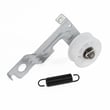
| Squealing or grinding | Idler pulley wear | LG dryer idler pulley 4561EL3002A |
| Long dry times or overheating | Airflow restriction or heat control issue | Dryer blower thermostat 6931EL3002M |
Why it matters
A dryer can keep running past its expected life, but restricted airflow and ignored noise usually turn into bigger failures (heater damage, motor strain, repeated thermostat trips). Preventive cleaning and quick part replacement typically cost less than running the dryer in an overheated, high-wear condition.
Last updated: February 2026
Why is my LG dryer running but not heating?
If our LG DLE5932W dryer tumbles but doesn’t heat, the most common causes are a tripped breaker or blown fuse on one leg of the 240V supply, restricted airflow from lint buildup, or a failed heating component such as the heating element or thermostat. Use the owner's manual troubleshooting chart to narrow it down.
Quick checks first (no tools)
- Reset the house breaker; most electric dryers use two fuses or breakers, and the dryer can run but not heat if only one trips.
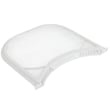
- Clean the lint screen and make sure the lint screen area is not blocked.
- Check the exhaust vent for crushing, kinks, or heavy lint buildup; poor airflow causes low or no heat and long dry times.
- Confirm you are using a heated cycle (not Air Dry or Fluff).
What to test next (with a multimeter)
Unplug the dryer before accessing internal parts.
- Heating element: If it’s open (no continuity), the dryer will tumble with no heat. Consider replacing the kenmore elite dryer heating element assembly 5301EL1001A.
- High-limit thermostat: If it opens due to overheating or failure, it can stop heat. Check continuity on the thermostat 6931EL3001E.
- Blower thermostat: A failed cycling or blower thermostat can cause heating problems. Check the dryer blower thermostat 6931EL3002M.
- Thermistor: If the control can’t read temperature correctly, heat may shut down. Check the dryer thermistor AGM30045804.
Symptoms and likely causes
| What you notice | Most likely cause | What to do |
|---|---|---|
| Tumbles, no heat, no error | One breaker tripped | Reset both breakers; verify full 240V supply |
| Long dry times, weak airflow | Vent restriction | Clean venting and lint buildup |
| Heat starts then stops quickly | Overheating from poor airflow or thermostat issue | Fix venting; test thermostats |
| No heat at all, airflow seems normal | Heating element open | Test element; replace if open |
Why it matters
A dryer that runs without heat is often a power or airflow problem. Restoring proper 240V power and clear venting prevents overheating, protects thermostats and the heating element, and gets drying performance back to normal.
Last updated: February 2026
What is the most common problem with LG dryers?
The most common problem we see with LG dryers like model DLE5932W is restricted airflow, which causes long dry times, overheating, and cycles that shut off early. A full lint screen, blocked venting, or a clogged exhaust duct is usually the root cause; heating and drum-drive parts are next most common.
Quick checks that fix most “LG dryer not drying” complaints
- Clean the lint screen before every load; confirm the screen seats correctly in the housing.
- Check the vent hood outside; strong airflow should be felt while the dryer runs.
- Inspect the entire vent run for kinks, crushed flex duct, lint buildup, or long runs with too many elbows.
- Avoid overloading; packed loads restrict airflow through the drum.
- Verify power supply for electric dryers; many dryers can tumble with a tripped breaker but not heat (your owner's manual troubleshooting section calls this out).
Common symptoms and the parts that often relate
| Symptom | Most likely cause | Parts that commonly relate on DLE5932W |
|---|---|---|
| Takes too long to dry | Vent restriction, lint buildup | Dryer exhaust duct 5209EL1002A, lint screen and housing (inspect/clean) |
| Shuts off or overheats | Airflow restriction, temperature sensing issue | Dryer thermistor AGM30045804, dryer blower thermostat 6931EL3002M |
| No heat but tumbles | Power issue, heater circuit issue | Kenmore elite dryer heating element assembly 5301EL1001A, thermostat 6931EL3001E |
| Squealing, thumping, not tumbling | Worn belt or pulley | Dryer drum belt 4400EL2001F, LG dryer idler pulley 4561EL3002A |
Why airflow is the #1 issue
Dryers are designed to move a steady volume of air through the drum and out the vent. When airflow drops, moisture removal slows and internal temperatures rise, which can trigger safety controls and shorten cycle performance.
When to move from cleaning to repair
- Venting is clear and airflow is strong, but dry times are still long.
- The dryer overheats even with a short, clean vent run.
- You hear persistent squealing or the drum stops turning.
For model-specific operating and troubleshooting steps, use the owner's manual.
Last updated: February 2026