Error Codes



What is the life expectancy of an A. O. Smith electric water heater?
Most A. O. Smith electric water heaters have a life expectancy of 10 to 12 years. With consistent maintenance (especially flushing sediment and keeping corrosion protection in good shape), many units reach 15 years; neglected tanks in hard-water areas often fail sooner.
Typical lifespan ranges (what to expect)
Lifespan depends most on water quality, temperature setting, and maintenance.
| Condition | Typical lifespan | What usually ends the heater |
|---|---|---|
| Normal use, basic maintenance | 10 to 12 years | Tank corrosion, element wear |
| Excellent maintenance | Up to 15 years | Tank corrosion (eventually) |
| Hard water, heavy use, little maintenance | 6 to 10 years | Sediment damage, leaks, overheating |
Maintenance that extends tank life
These steps reduce sediment buildup and slow internal corrosion.
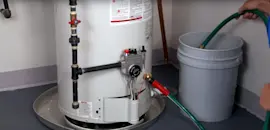
- Flush the tank periodically to remove sediment (more often with hard water).
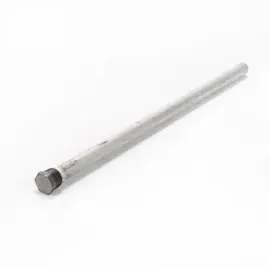
- Inspect and replace the anode rod when it is heavily worn; it protects the tank from rust.
- Keep water temperature around 120°F to reduce scaling and stress.
- Check for seepage at fittings and around element gaskets; fix small leaks early.
- Test the temperature and pressure relief valve for safe operation.
Parts that matter most for longevity on model EES80T917
If you are maintaining an Ao Smith EES80T917, these common wear items directly affect performance and tank protection:
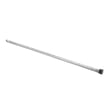
- Anode rod 100108660 (corrosion protection)
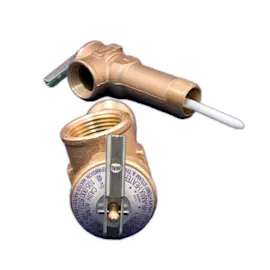
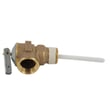
- T & p valve 100108279 (safety pressure relief)
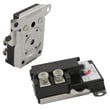
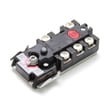
- Upper thermo 100109846 and thermostat 100110039 (temperature control)
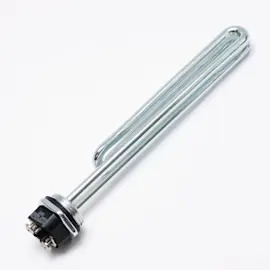
- Element 100109061 or lo element 100108954 (heating performance)
Why it matters
Once the tank itself starts leaking from internal corrosion, replacement is the practical fix. Keeping the anode rod active and sediment under control is the most effective way to push an electric water heater past the 10 to 12 year mark.
Last updated: February 2026
What is the most common issue on an A. O. Smith Corporation hot water heater?
On the Ao Smith EES80T917 electric water heater, the most common problem we see is not enough hot water (or no hot water). On electric models, that usually comes down to a failed heating element, a thermostat problem, or heavy sediment buildup that reduces heating efficiency.
Quick checks we recommend first (electric water heater)
- Confirm the breaker is on and not tripped (water heaters are typically 240V).
- Check for a reset that has tripped on the upper thermostat (often behind the upper access panel).
- Listen for rumbling or popping; that points to sediment buildup in the tank.
- Look for slow recovery (hot water runs out fast); that often points to a lower element issue.
- Watch for temperature swings; that often points to a thermostat issue.
Most common causes and the parts that typically fix them
If your symptoms match, these are the most common repair paths for the EES80T917:
| Symptom | Most likely cause | Common part to check/replace |
|---|---|---|
| No hot water | Upper thermostat tripped or failed | Upper thermo 100109846 |
| Hot water runs out fast | Lower element not heating | Lo element 100108954 |
| Water too hot or inconsistent | Thermostat out of calibration or sticking | Thermostat 100110039 |
| Rumbling/popping, reduced output | Sediment buildup (maintenance issue) | (Flush tank; inspect elements) |
Why it matters
When an element or thermostat is failing, the heater can run longer than normal, deliver inconsistent temperatures, and increase energy use. Catching it early also helps prevent overheating and nuisance shutoffs.
When to stop and get service
- You see water leaking from the tank or fittings.
- The breaker keeps tripping after a reset.
- You are not comfortable working around 240V wiring.
Last updated: February 2026
Why are 80-gallon water heaters discontinued?
Many 80-gallon electric water heaters like the Ao Smith EES80T917 became harder to find because efficiency rules pushed manufacturers toward designs with lower standby heat loss. That shift favored thicker insulation, heat pump (hybrid) water heaters, or different tank formats, so fewer standard 80-gallon electric resistance models stayed in common production.
What changed in the market
Several factors combined to reduce the number of traditional 80-gallon options:
- Higher efficiency requirements increased insulation needs, which often makes tanks physically larger.
- Manufacturers shifted product lines toward hybrid heat pump models to meet efficiency targets.
- Demand for very large residential tanks is smaller than 40 to 50 gallon sizes, so fewer models are stocked.
- Some “large capacity” needs are met with faster recovery (higher wattage) or multiple smaller tanks.
- Installation constraints (height, diameter, electrical circuit) limit which large tanks fit typical homes.
What to check before replacing an 80-gallon tank
If you are replacing an EES80T917, we recommend confirming these fit and performance items first:
| What to verify | Why it matters | Typical impact |
|---|---|---|
| Tank height and diameter | Newer high-efficiency tanks can be bulkier | May not fit the same closet or pan |
| Electrical requirements | Some upgrades need different wiring/breaker | May require electrical work |
| First-hour rating and recovery | Capacity alone does not equal usable hot water | A smaller tank can still meet demand |
| Plumbing connections | Inlet/outlet locations can vary | May need piping changes |
If you are keeping your current tank running longer
When an 80-gallon unit is aging, the most common “keep it going” maintenance and repair items are corrosion protection, temperature control, and safety components. For this model’s parts list, common examples include the anode rod 100108660 and the t & p valve 100108279.
Why it matters
Large tanks cost more to heat and replace, so choosing the right replacement type (standard electric, hybrid heat pump, or higher-recovery electric) prevents cold-shower complaints and avoids fit or electrical surprises.
Last updated: February 2026
Do I need a 20 or 30 amp breaker for a water heater?
For the Ao Smith EES80T917 electric water heater, most installations use a 30-amp double-pole breaker because many full-size tank heaters are 240V and around 4,500W. The correct breaker size is based on the heater’s nameplate amperage and the wire size feeding it.
How to choose the right breaker size
Use the water heater’s wattage and voltage to estimate current draw:
- Amps = Watts ÷ Volts (typical electric water heaters are 240V)
- A common element rating is 4,500W, which draws about 18.75A
- Electric water heaters are typically treated as a continuous load, so the circuit is commonly sized at 125% of the load
Quick sizing examples
| Typical heater wattage | Approx. amps at 240V | Common breaker choice | Common copper wire size |
|---|---|---|---|
| 3,000W | 12.5A | 20A 2-pole | 12 AWG |
| 3,800W | 15.8A | 25A 2-pole (if available) or 30A | 10 AWG (common) |
| 4,500W | 18.75A | 30A 2-pole | 10 AWG |
| 5,500W | 22.9A | 30A 2-pole (sometimes 35A) | 10 AWG (or larger if required) |
What we recommend for most homes
- Use a dedicated 240V circuit for the water heater
- Match the breaker to the wire gauge (breaker protects the wire)
- Confirm the heater’s nameplate rating before changing breaker size
- If you are upsizing a breaker, confirm the wire size is correct first
- If you see tripping, address the cause (loose connections, failing element, thermostat issues) instead of installing a larger breaker
Why it matters
A breaker that is too large for the wire can allow wiring to overheat. A breaker that is too small can nuisance-trip and leave you without hot water. Correct sizing protects the circuit and helps the Ao Smith EES80T917 heat reliably.
Parts that commonly relate to breaker trips (overheating or shorting)
If the breaker trips after the tank starts heating, these parts are common suspects:
- Heating element(s): element 100109061 or element 100108960
- Thermostat(s): upper thermo 100109846 or thermostat 100110039
Last updated: February 2026
Who manufactures A. O. Smith water heaters?
A. O. Smith water heaters are manufactured by A. O. Smith Water Products Company. For your Ao Smith model EES80T917 electric water heater, that means the original equipment brand and manufacturing organization is A. O. Smith.
What this means for parts and repairs
When you’re replacing components on an EES80T917, you’ll typically be matching A. O. Smith style parts such as heating elements, thermostats, and tank protection parts.
Common replacement parts for this model include:
- Anode rod 100108660 to help protect the tank from corrosion
- T & p valve 100108279 to help control excess temperature and pressure
- Upper thermo 100109846 and thermostat 100110039 for water temperature control
- Element 100109061 or lo element 100108954 if heating performance drops
Quick part-to-symptom guide
| Symptom | Most likely part area | Example part on this page |
|---|---|---|
| Not enough hot water | Heating element, thermostat | Element 100109061 |
| Water too hot or inconsistent | Thermostat | Thermostat 100110039 |
| Dripping from discharge pipe | Safety valve | T & p valve 100108279 |
| Rusty water or tank noise | Tank protection | Anode rod 100108660 |
Why it matters
Knowing the manufacturer helps you choose compatible water heater parts and avoid mismatches that can cause poor heating, nuisance tripping, or leaks.
Last updated: February 2026