Error Codes



What is the average lifespan of an electric water heater?
A typical tank-style electric water heater like the Reliance 650DOLS lasts 10 to 15 years. With hard water, heavy hot-water demand, or skipped maintenance, lifespan often drops closer to 8 to 12 years; consistent maintenance can push it toward the high end.
- Tank electric water heater: 10 to 15 years
- Shorter lifespan is common when: water is very hard, the tank is rarely flushed, or the thermostat is set very high
- Longer lifespan is common when: the anode rod is maintained and sediment is controlled
| Water heater type | Typical lifespan | What usually ends it |
|---|---|---|
| Electric tank (like 650DOLS) | 10 to 15 years | Tank corrosion, element failure, heavy sediment |
| Electric tankless | 20+ years | Scale buildup, component wear |
These steps reduce corrosion and overheating, which are the two biggest life-shorteners for electric tanks:
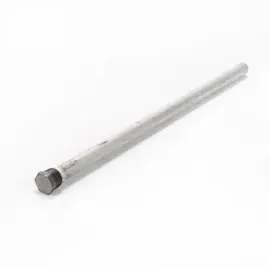
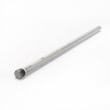
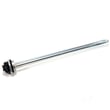
- Check and replace the anode rod when it is heavily worn (this protects the tank). Consider the anode rod 100109624.
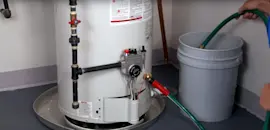
- Flush sediment from the tank periodically (sediment can overheat and damage the element).
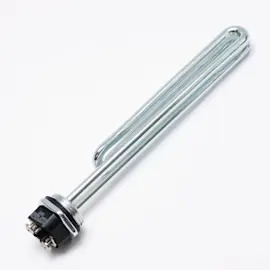
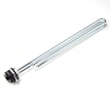
- Inspect and test heating performance if recovery is slow; a failing element can be replaced with the correct element 100108283.
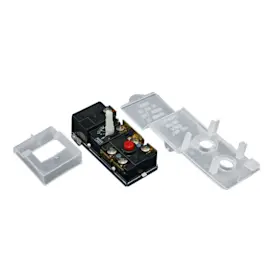
- Verify thermostat operation and settings; a thermostat that sticks can overheat water and stress components. See thermostat 100108683 (upper) and thermostat 100108421 (lower).
- Rust-colored hot water or metallic odor
- Rumbling or popping sounds (sediment buildup)
- Hot water runs out faster than it used to
- Frequent need to reset power or inconsistent temperatures
- Any tank seepage around the base (often indicates internal corrosion)
Once a tank begins corroding internally, repairs like elements and thermostats can restore heating, but they do not stop tank failure. Replacing wear items early (especially the anode rod) is the most effective way to extend the service life of a Reliance 650DOLS.
Last updated: February 2026
Is it cheaper to repair or replace a water heater?
For a Reliance 650DOLS electric water heater, it’s cheaper to repair when the problem is limited to service parts (like a thermostat, heating element, or anode rod). Replacement makes more sense when the tank is leaking, heavily corroded, or the unit is around 10+ years old.
- Repair if you have no tank leak and the issue is “no hot water,” “not enough hot water,” or temperature swings.
- Repair if the fix is a common electrical part (thermostat or element) and the rest of the heater is in good shape.
- Replace if you see water leaking from the tank body (not a fitting or valve).
- Replace if the heater is 10 years old or older and needs multiple parts.
- Replace if you have recurring failures (repeated element burnouts, repeated thermostat trips).
| Situation | What it usually involves | Best value choice |
|---|---|---|
| No hot water or weak recovery | Testing and replacing a thermostat or element | Repair |
| Fluctuating water temperatures | Thermostat diagnosis, wiring check, possible thermostat replacement | Repair |
| Rusty water or odor | Anode rod replacement and tank flush | Repair |
| Water leaking from tank seam/body | Tank failure | Replace |
These are the types of parts we typically replace first on electric water heaters like the Reliance 650DOLS:
- Thermostat 100108683 (upper thermostat)
- Thermostat 100108421 (lower thermostat)
- Element 100108283 (heating element)
- Anode rod 100109624 (corrosion protection)
Repairing a non-leaking tank keeps your cost down and restores hot water quickly. Replacing a leaking or end-of-life tank prevents repeat breakdowns and avoids spending money on parts that cannot solve a failing tank.
If your symptoms point to a thermostat or element issue, follow a proven step-by-step process: how to replace an electric water heater thermostat and how to replace an electric water heater heating element.
Last updated: February 2026
How do I know if my electric water heater element is bad?
On your Reliance 650DOLS electric water heater, a bad heating element typically shows up as no hot water, lukewarm water, or hot water that runs out fast. The sure way to confirm is an electrical test with power OFF: the element should show continuity and a normal resistance reading.
- No hot water (or only a small amount)
- Water temperature is inconsistent from one shower to the next
- Breaker trips when the heater tries to heat
- Rumbling or popping sounds (often from heavy sediment on the element)
- Hot water runs out faster than it used to
- Turn off power at the water heater breaker and verify power is off.
- Remove the access panel and insulation to reach the element terminals.
- With wires removed from the element, check:
- Resistance across the two element screws (ohms)
- Continuity to ground (element screw to metal tank)
| Test | Normal result | What “bad” looks like |
|---|---|---|
| Ohms across element terminals | Typically about 10 to 30 ohms (varies by wattage/voltage) | OL/infinite or extremely high/low |
| Continuity to ground | No continuity | Continuity to ground (shorted element) |
If the element tests open (no continuity) or shorted to ground, replace it with the correct part for this model, such as the element 100108283.
- Make sure the breaker is fully reset (OFF then ON)
- Confirm both thermostats are set to a reasonable temperature
- Look for loose or burned wiring at the element and thermostat terminals
- If you have lukewarm water, test the lower heating circuit first (it does most of the day-to-day heating)
If the element tests good, the issue is often a thermostat; this model uses parts like the thermostat 100108683 (upper) and thermostat 100108421 (lower).
A failed element is one of the most common causes of “no hot water” in electric water heaters. Testing first prevents replacing good parts and helps you target the correct fix.
For step-by-step replacement guidance, use our DIY guide: how to replace an electric water heater heating element.
Last updated: February 2026
What is the highest rated electric hot water heater?
The highest rated electric water heater is the one that best matches your home’s hot-water demand and efficiency goals; for most households, hybrid (heat pump) electric tanks rate highest for energy savings, while standard electric tank models rate highest for simpler installation and lower upfront cost. For your Reliance 650DOLS, we focus on keeping the existing tank running reliably with the correct replacement parts.
Ratings vary by who is scoring the heater (owners, plumbers, or lab tests), but they typically center on:
- Efficiency (hybrid heat pump models usually lead)
- Recovery rate (how fast it reheats)
- Capacity fit (right-size gallons for your household)
- Durability (tank lining, anode protection, build quality)
- Serviceability (availability of thermostats, elements, access panels)
| Type | Best for | Typical tradeoff |
|---|---|---|
| Hybrid (heat pump) electric tank | Lowest operating cost | Higher upfront cost; needs airflow/space |
| Standard electric tank | Straightforward replacement | Higher operating cost than hybrid |
| Electric tankless | Limited space; point-of-use setups | Often needs electrical upgrades; flow-rate limits |
Use these decision points to narrow down the best match:
- Household size and usage (back-to-back showers, large tubs, etc.)
- Existing electrical service (breaker size, wiring, available amperage)
- Installation space (garage/basement closet, noise tolerance)
- Water conditions (hard water increases element wear and sediment)
- Maintenance plan (anode rod checks, periodic draining)
If your Reliance 650DOLS is otherwise in good shape, replacing common wear parts often restores performance at a much lower cost than a full replacement. For example, fluctuating temperatures and slow recovery are frequently tied to a failed thermostat or heating element.
Common parts we see replaced on this model include:
- Thermostat 100108683 (upper thermostat)
- Thermostat 100108421 (lower thermostat)
- Element 100108283 (heating element)
- Anode rod 100109624 (corrosion protection)
For symptom-based guidance, use water heater fluctuating water temperatures to match the problem to likely causes.
Last updated: February 2026