 Installation guide
 Owner’s manual



What is the most common problem with GE dishwashers?
The most common GE dishwasher problems (including model GDT226SSL0SS) are not draining, not starting, and poor cleaning. In many cases, the fix is basic maintenance (especially cleaning the filter) or a simple reset; persistent issues often point to a drain, door, or control-related part.
Most common issues and what to check first
- Not draining: clean the filter and check for a kinked or restricted drain path.
- Won’t start or stops mid-cycle: confirm the door closes firmly, then reboot power.
- Poor cleaning: clean filters and confirm spray paths are not blocked by loading.
- Not filling: verify the water shutoff valve under the sink is fully open.
- Suds/foam: use automatic dishwasher detergent only; wipe up rinse aid spills.
Quick fixes we recommend (in order)
- Reboot the dishwasher: turn power off at the breaker or wall switch for 30 seconds, then restore power (a common fix for control glitches).
- Clean and reseat the filter assembly: rinse with warm soapy water, then twist/lock it fully back in place; an improperly seated filter can reduce performance. Use the steps in the GDT226SSL0SS owner’s manual.
- Confirm the door is fully closed: a door that is not firmly latched can prevent filling and starting.
When it’s likely a part problem
If the checks above do not change anything, these parts are common suspects on GDT226SSL0SS:
| Symptom | Common suspect | Example part for this model |
|---|---|---|
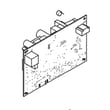
| Dead or erratic operation | Control issue | Dishwasher electronic control board WD21X24676 |
| No response at the touchpad | Interface issue | Dishwasher user interface WD21X28718 |
| Won’t run due to no control power | Fuse open | Machine control fuse WD21X25696 |
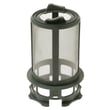
| Poor cleaning after maintenance | Filtration restriction | Fine filter WD12X24656 |
Why it matters
Drain and wash performance problems often start with restricted filtration or loading-related spray blockage, and “won’t start” complaints often trace back to door closure or a control reset. Catching these early helps prevent repeat cycles, standing water, and unnecessary part replacement.
For code-based symptoms, use our GE electronic dishwasher error codes reference to match the displayed behavior to the most likely cause.
Last updated: February 2026
What is the average lifespan of a GE dishwasher?
Most GE dishwashers, including model GDT226SSL0SS, typically last 10 to 12 years with normal household use. Consistent cleaning, correct detergent use, and keeping the filter system clear are the biggest factors that help you reach (or beat) that average; see the owner's manual for the care routine.
What affects lifespan the most
- Filter and soil system maintenance: a clogged filter makes the pump work harder and hurts cleaning.
- Water quality: hard water can leave mineral buildup on filters and internal parts.
- Loading habits: overloading blocks spray arms and increases rewash cycles.
- Detergent and rinse aid choices: using dishwasher-approved products helps prevent residue and poor performance.
- Door sealing and latching: a door that does not close cleanly can cause leaks or cycle interruptions.
Simple maintenance that extends life
We recommend building these into your routine (they are quick and prevent the most common wear issues):
- Rinse and clean the filter assembly regularly (warm soapy water; avoid abrasive pads).
- Make sure the filter assembly is fully seated after cleaning.
- Keep the door edges and gasket area wiped clean.
- Run hot water at the sink before starting a cycle if your kitchen plumbing runs cold.
- Use cycles and options that match soil level instead of always using the heaviest cycle.
Typical lifespan expectations (quick guide)
| Usage pattern | Typical lifespan | What usually shortens it |
|---|---|---|
| Light (a few loads/week) | 12+ years | Long periods of non-use, stagnant water odors |
| Average (1 load/day) | 10 to 12 years | Clogged filters, hard water buildup |
| Heavy (2+ loads/day) | 8 to 10 years | Pump wear, frequent overheating, more detergent residue |
Why it matters
A dishwasher that is nearing end-of-life often shows up as longer cycles, poor cleaning, or drainage issues. Staying on top of filter cleaning (as outlined in the owner's manual) helps protect key components like the wash pump and sump, which are among the most expensive repairs.
Last updated: February 2026
What are the commonly replaced parts in a dishwasher?
On the GE GDT226SSL0SS dishwasher, the most commonly replaced parts are the ones that handle water flow, draining, door closing, and controls. Wear, clogs, leaks, and normal use typically drive these replacements; regular filter cleaning helps prevent many performance problems (see the GDT226SSL0SS owner’s manual).
Commonly replaced dishwasher parts (and what they do)
- Filters and traps: keep food soil out of the pump; clogged filters reduce cleaning performance.
- Drain hoses and connections: move wastewater out; leaks or kinks can cause poor draining.
- Door latch/strike components: help the door close and signal the control to start.
- Pumps and sump components: circulate and drain water; wear or debris can cause noise or no-wash symptoms.
- Electronic controls and fuses: manage cycles and power; failures can cause no-start or dead panel issues.
Model-specific examples for GE GDT226SSL0SS
These are examples of parts we often see replaced on this model when symptoms match:
| Symptom you notice | Common part area | Example part for this model |
|---|---|---|
| Not cleaning well, gritty water | Filtration | Fine filter WD12X24656 |
| Won’t drain or drains slowly | Drain path | Drain hose extension WD24X10062 |
| Door won’t latch or won’t start | Door closing | Door striker assembly WD12X24648 |
| Dead, erratic, or unresponsive controls | Controls | Dishwasher electronic control board WD21X24676 |
| Completely no power to control | Protection | Machine control fuse WD21X25696 |
Quick checks before replacing parts
- Clean the filter assembly and reinstall it fully seated; an improperly seated filter can reduce performance.
- Check for a kinked drain hose and confirm the sink/disposer drain path is clear.
- If the dishwasher will not run, reset power at the breaker or wall switch for 30 seconds.
- Confirm the door closes firmly; a misaligned striker can prevent starting.
- Disconnect power before any maintenance; follow the safety steps in the installation guide.
Why it matters
Replacing the right part the first time prevents repeat leaks, no-drain callbacks, and poor wash results. On GE dishwashers, simple maintenance like filter cleaning can also extend the life of high-cost items such as the wash pump and electronic control.
Last updated: February 2026
How to fix leaking GE Cafe dishwasher corner baffle replacement?
On the GE GDT226SSL0SS dishwasher, a leaking lower corner baffle is fixed by removing the old baffle, cleaning the sealing channel, then pressing the new baffle fully into place so it sits flush. After replacement, verify the door closes freely and run a quick leak check.
Before you start
- Turn off power at the breaker.
- Pull out the lower rack for access.
- Dry the tub lip and door edge so new drips are easy to spot.
- Use a flashlight to inspect the lower corners and door seal area.
Corner baffle replacement steps
- Open the door and locate the leaking lower corner baffle.
- Pull the old baffle straight out; work slowly so it does not tear and leave pieces behind.
- Clean the corner and channel thoroughly (soap film and grit prevent sealing).
- Slide the new baffle into position.
- Press firmly along the entire baffle until it is fully seated and flat.
- Close the door and confirm it does not rub the cabinet faces.
- Run a short cycle and watch the corner for drips.
If it still leaks: fast checks
- Dishwasher not square or level: all leveling legs must contact the floor.
- Door rubbing adjacent cabinets: reposition the dishwasher so the door clears.
- Leak is from plumbing instead of the baffle: check fill and drain hose connections.
| Where you see water | Most likely cause | First action |
|---|---|---|
| Lower corner at door opening | Baffle not seated, debris in channel | Clean channel, re-seat baffle |
| Under front center | Door not closing evenly, unit not level | Level and re-square unit |
| Under sides/rear | Hose seepage | Inspect hoses and clamps |
Parts that often matter for leak repairs
- Clamp WD35X10382 for securing hose connections
- Fill hose WD24X24599 for water supply into the dishwasher
- Drain pump discharge hose WD24X24717 for water leaving the pump
Why it matters
A small corner leak can quickly damage flooring and cabinets; a clean sealing surface and a fully seated baffle make the repair last. For model-specific leveling and leak-check steps, use the GDT226SSL0SS installation guide.
Last updated: February 2026





