 Owner’s manual



What is the life expectancy of a whirlpool washing machine?
A Whirlpool washing machine typically lasts 10 to 15 years. For your Whirlpool WFW5090GW0 front-load washer, lifespan depends most on load size, detergent choice (HE only), and routine cleaning and inspection; consistent care often pushes service life toward the high end.
What affects lifespan the most
- Overloading (extra strain on the tub, bearings, and suspension)
- Detergent type and amount (this model is designed for HE detergent only; too much soap leaves residue)
- Moisture and odor control (leaving the door closed traps humidity)
- Water quality (hard water increases scale and buildup)
- Small leaks or vibration left uncorrected (they accelerate wear)
For model-specific operating and care guidance, follow the WFW5090GW0 owner's manual.
Maintenance that adds years (simple routine)
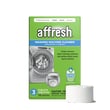
- Run a monthly cleaning cycle (or a hot wash with an approved washer cleaner).
- Wipe the door glass and gasket area after laundry day; remove lint and hair.
- Leave the door ajar between loads to dry the drum.
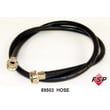
- Check fill hoses for bulges or cracking and replace as needed.
- Keep the washer level to reduce vibration and premature suspension wear.
Typical lifespan expectations (what to plan for)
| Usage pattern | Typical life expectancy | What usually wears first |
|---|---|---|
| Light (few loads/week) | 12 to 15 years | Door seal, hoses, dispenser buildup |
| Average (most households) | 10 to 13 years | Drain issues, vibration parts, inlet valve screens |
| Heavy (daily loads) | 8 to 12 years | Bearings, shocks, pump-related wear |
Why it matters
Planning around a 10 to 15 year lifespan helps you decide when preventive maintenance is worth it versus when a major repair (like a tub/drum or motor drive component) may not be cost-effective.
Last updated: February 2026
Where to find model number on Whirlpool front load washer?
On your Whirlpool front load washer model WFW5090GW0, the model and serial number tag is typically on the door opening area (door jamb) or just inside the door opening on the front cabinet. Use the exact model number from that tag when ordering parts or checking troubleshooting steps in the WFW5090GW0 owner's manual.
Common places to check
Look in these spots first (in order):
- Behind the washer door, on the door jamb (most common)
- Along the inner edge of the front cabinet opening
- On the side panel near the lower front corner
- On the back of the control panel area (less common)
- On the rear panel of the cabinet
How to read the tag correctly
The tag usually lists both a model number and a serial number.
- Copy the model number exactly (letters and numbers, no spaces)
- Take a clear photo of the tag before the label wears
- Use the model number to match parts; use the serial number for date and production details
| What you need | Example format | Why we ask for it |
|---|---|---|
| Model number | WFW5090GW0 | Ensures parts fit your exact washer |
| Serial number | Letters and numbers | Helps identify production details |
Why it matters
Whirlpool front load washers can look similar across multiple model series, but parts like the door strike, bellow, inlet valve, and control components can vary by model. Using the exact tag information helps prevent ordering the wrong replacement part.
Last updated: February 2026
Do Whirlpool washers have a filter that needs to be cleaned?
Yes. The Whirlpool WFW5090GW0 washer uses a drain pump filter that can clog with lint, coins, and debris; cleaning it periodically helps prevent “Clean filter” messages, slow draining, and no-drain problems. Follow the steps in the WFW5090GW0 owner's manual for the exact access method and safe residual-water draining.
What filters you may need to clean on this model
On the WFW5090GW0, there are typically two “filter” areas owners run into:
- Drain pump filter: the main one to clean when the washer will not drain or shows “Clean filter.”
- Inlet hose mesh screens: small screens at the water inlet connections; clean if filling is slow or you see water-supply related errors.
- Dispenser area: not a filter, but residue can build up; rinse parts as needed.
Quick signs the drain pump filter needs cleaning
- “Clean filter” appears on the display
- Washer drains slowly or leaves water in the drum
- You hear the pump running but little or no water exits
- Musty odor from trapped debris
- Repeated excessive-suds interruptions (foam can worsen draining)
Basic cleaning overview (what to expect)
We recommend planning for a small amount of water to come out during service.
| Task | What you do | What you need |
|---|---|---|
| Prep | Unplug washer; have towels ready | Towels, shallow pan |
| Drain residual water | Use the manual’s drain procedure before opening the filter | Pan or wet/dry vac |
| Clean | Remove debris, rinse filter, check pump area for blockage | Soft brush, gloves |
| Reinstall and test | Refit filter tightly; run Rinse & Spin | None |
Why it matters
A partially blocked drain pump filter makes the washer work harder to pump out water. That can extend cycle time, trigger drain-related errors, and leave water that contributes to odors.
Last updated: February 2026
What is the most common problem with whirlpool washers?
The most common Whirlpool washer problems are draining or spinning issues, water leaks, and loud or unusual noise. On the Whirlpool WFW5090GW0, many “won’t drain/spin” complaints trace back to load balance, using the wrong cycle or spin speed, or using too much (or non-HE) detergent; see the WFW5090GW0 owner's manual for the model’s troubleshooting steps.
Most common issues we see (and what usually causes them)
- Washer not draining or not spinning; clothes still wet: unbalanced or tightly packed load, low spin-speed cycle, or excess suds from too much detergent.
- Water leaks: loose fill hoses, drain hose placement issues, or a worn door seal (bellow).
- Loud noise or vibration: washer not level, shipping/installation issues, or a worn drive or suspension component.
- Wrong wash or rinse temperature: hot and cold hoses reversed, kinked hoses, or clogged inlet screens.
- Door won’t unlock: water temperature too hot or a fault condition that must clear before unlocking.
Quick checks that fix a lot of calls
- Rebalance the load: avoid washing single heavy items; add a few items to balance.
- Choose a higher spin when appropriate: low-spin cycles leave more water in fabrics.
- Use only HE detergent and measure carefully: too many suds can slow or stop draining and spinning.
- Confirm water supply: both faucets fully open; hoses not kinked; inlet screens clear.
- Level the washer: a front-load washer that is not level commonly shakes and gets noisy.
Symptom-to-fix guide
| Symptom | Most likely cause | Best first action |
|---|---|---|
| Clothes still wet | Low spin speed or unbalanced load | Rebalance load; select a higher spin |
| Won’t drain | Suds or restriction | Use HE detergent correctly; check for drain restrictions |
| Wrong temp | Supply issue | Verify hoses, screens, and water flow |
| Door won’t unlock | Water too hot | Wait for water to cool below about 104°F (40°C) |
Why it matters
Catching the “simple” causes first (cycle selection, load size, HE detergent, water supply, leveling) prevents repeat problems and helps protect major components like the tub/drum assembly, inlet valve, and drain system.
Last updated: February 2026
Are Whirlpool washer parts interchangeable?
Whirlpool washer parts are not universally interchangeable. For your Whirlpool WFW5090GW0 washer, we recommend using factory-specified replacement parts matched to the exact model so the fit, electrical ratings, and water-sealing surfaces are correct and the washer operates safely and reliably (see the WFW5090GW0 owner's manual).
What “interchangeable” really means for Whirlpool washers
Parts can look similar across Whirlpool-built platforms, but small differences matter.
- Model-specific mounting: screw locations, brackets, and panel cutouts vary.
- Electrical compatibility: voltage, connectors, and noise suppression components can differ.
- Water system fit: inlet valves, hoses, and seals must match to prevent leaks.
- Door and boot alignment: front-load door geometry is sensitive to small changes.
- Software and UI pairing: some control and console parts require exact revisions.
Quick guide: when a part might swap and when it should not
| Part type | Sometimes interchangeable? | What to check first |
|---|---|---|
| Screws, clips, some brackets | Often | Size, thread type, corrosion resistance |
| Hoses and valves | Sometimes | Port orientation, flow rate, connector style |
| Door/boot parts | Rarely | Exact door opening size and clamp style |
| Electronic controls | Rarely | Part ID match, harness connectors, revision |
Examples for model WFW5090GW0
These examples show why matching by model is important:
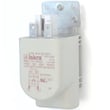
- A noise suppression component like the washer noise filter WPW10367632 must match the washer’s wiring and connector style.
- A water inlet component like the valve 120v/6 W11044834 needs the correct electrical rating and hose/port configuration.
- A door seal like the bellow, d320 W11044836 must match the door opening and clamp fit to prevent leaks.
Why it matters
Using the correct Whirlpool-matched parts reduces repeat repairs, prevents leaks and electrical issues, and keeps cycle performance consistent (fill, heat, drain, and spin).
Last updated: February 2026





