Owner’s manual
 Error Codes


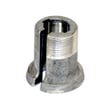
Is there a way to bypass the lid lock on a Maytag washer?
No. We do not recommend bypassing the lid lock on your Maytag MTW5600TQ2 washer because the lid must be closed for the washer to agitate or spin, and defeating that safety feature increases the risk of injury and electrical shock. Use the lid lock system as designed and troubleshoot the cause instead.
What to check first (safe, fast steps)
- Make sure the lid is fully closed and not being held up by an oversized item.
- Unplug the washer for 1 minute, then plug it back in to reset the control.
- Confirm the outlet is a grounded 3-prong outlet; do not use an adapter or extension cord.
- Check your breaker or fuse; reset or replace if needed.
- Listen for a click when closing the lid; no click often points to a lid switch/latch issue.
- If the washer pauses for about 2 minutes during certain cycles, let the cycle continue (this can be normal).
When a part is likely the fix
If the washer will not start, agitate, or spin with the lid closed, the lid switch circuit is a common failure point on top-load washers.
| Symptom | Most likely area | What we typically do next |
|---|---|---|
| Won’t agitate or spin | Lid switch/lid lock circuit | Test and replace the lid switch assembly |
| Starts then stops when lid is moved | Lid alignment or switch actuator | Inspect lid strike area and switch mounting |
| Intermittent operation | Loose connection or failing switch | Check wiring connections, then replace switch if needed |
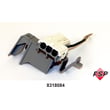
For this model, the correct replacement is the washer lid switch assembly WP8318084.
Why it matters
The lid lock and switch system prevents the tub, agitator, and basket from moving while the lid is open. The safety instructions in the owner's manual also warn against reaching into the washer when parts are moving and against tampering with controls.
Last updated: February 2026
What is the most common problem with a Maytag washer?
For the Maytag MTW5600TQ2 washer, the most common service-type complaint is a no-drain or no-spin condition. In many cases, the root cause is simple: the lid is not fully closed, the drain hose is restricted or installed incorrectly, or excessive suds are preventing proper draining and spinning (all called out in the troubleshooting section of the owner's manual).
Most common symptoms we see
- Washer will not drain, or drains very slowly
- Washer will not spin, or stops before spin
- Cycle seems stuck (keeps filling or draining)
- Loud noises before spin (often load balance or normal gear engagement)
- Leaks around fill hoses or at the drain area
Quick checks first (fastest fixes)
- Close the lid firmly: This model will not agitate or spin with the lid open.
- Check the drain hose setup:
- Make sure it is not clogged or kinked.
- Make sure the drain hose end is not installed too high (a common cause of no-drain/no-spin).
- Make sure the standpipe connection is not sealed or taped tight (it needs an air gap).
- Reduce suds: Measure detergent carefully; if you have soft water, use less detergent.
- Balance the load and level the washer: An unbalanced or overloaded load can cause noise, poor spin, and cycle interruptions.
Parts that commonly relate to no-spin/no-drain on this model
If the basic checks above do not solve it, these parts are frequent suspects for the MTW5600TQ2:
| Symptom | Common cause | Example part on this model |
|---|---|---|
| Won’t spin or stops when lid is lifted | Lid safety circuit issue | Washer lid switch assembly WP8318084 |
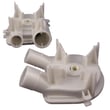
| Won’t drain or drains slowly | Pump jam or pump failure | Washer drain pump WP3363394 |
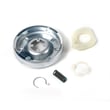
| Agitates poorly, makes clicking in agitator | Worn agitator dogs | Agitator dog 80040 |
Why it matters
A washer that cannot drain or spin leaves clothes soaking wet and can make the cycle appear “stuck.” Fixing the underlying cause early also helps prevent secondary issues like repeated overload/unbalance events and unnecessary wear on the drive system.
Last updated: February 2026
What's the average lifespan of a Maytag washer?
Maytag washers typically last 10 to 13 years with normal household use. For your Maytag MTW5600TQ2, regular maintenance, correct loading, and fixing small issues early (like draining or spinning problems) are what most often determine whether you reach the high end of that range.
Typical lifespan and what changes it
Most washer life comes down to usage and care, not just the brand.
- Normal use (3 to 5 loads/week): about 10 to 13 years
- Heavy use (daily loads, large families): lifespan trends shorter
- Light use (few loads/week): lifespan trends longer
- Hard water and excess detergent: increases wear and residue buildup
- Running unbalanced loads: increases stress on suspension and drive components
Quick “is it worth repairing?” guide
Use this as a practical rule of thumb for MTW5600TQ2 repair decisions.
| Washer age | Typical recommendation | Why |
|---|---|---|
| 0 to 5 years | Repair is usually worth it | Most parts replacements restore full function |
| 6 to 10 years | Repair if the fix is targeted | Avoid repeated major-drive repairs |
| 11+ years | Repair only if the issue is minor | Multiple components may be near end-of-life |
Maintenance that extends washer life
These habits reduce strain on the motor, clutch, and suspension.
- Keep loads balanced and avoid overloading (helps prevent noisy operation and vibration).
- Use the right amount of HE detergent; too much can cause residue and performance issues.
- Check fill hoses for tight connections and good hose washers if you see leaks.
- If you will not use the washer for an extended time, unplug it and turn off the water supply (vacation care guidance is in the owner's manual).
- Address early symptoms like slow drain, no spin, or lid not sensing; common fixes involve parts such as the washer drain pump WP3363394 or washer lid switch assembly WP8318084.
Why it matters
A washer that is nearing end-of-life often shows repeat symptoms (noise, leaking, poor spin). Catching the first failure early usually prevents secondary damage to the basket drive, clutch, or suspension.
Last updated: February 2026
Can a clogged drain cause the F9E1 error?
Yes. On the Maytag MTW5600TQ2 washer, a clogged drain path is a common reason you can get an F9E1 long-drain condition because the washer cannot move water out fast enough. The blockage can be in the household standpipe/sink, the drain hose, or the drain pump.
What to check first (fast, no parts)
- Unplug the washer before inspecting hoses or wiring.
- Make sure the drain hose is not kinked, crushed, or pinched behind the cabinet.
- Confirm the drain hose outlet is not higher than 96 in. (244 cm) above the floor.
- Check the standpipe or laundry tub for a slow household drain (it can back up and mimic a washer failure).
- Verify the drain hose is not shoved in too tightly or sealed to the standpipe; it needs an air gap to prevent siphoning and slow draining.
Why a clogged drain triggers the code
When water cannot exit the tub quickly, the washer extends the drain time and may stop the cycle to protect the drive system and prevent overflow. A restriction anywhere in the drain route increases drain time and can lead to repeated drain attempts.
Likely causes and the best next step
| What you find | Most likely cause | What to do next |
|---|---|---|
| Standpipe/sink drains slowly or overflows | Household plumbing restriction | Clear the standpipe/sink drain first, then retest a Drain/Spin cycle |
| Hose is kinked or too high | Drain hose routing issue | Re-route hose; keep outlet under 96 in. |
| Washer hums but water barely moves | Pump obstruction or weak pump | Inspect pump inlet for debris; replace pump if needed |
| Drains but takes a long time with lots of suds | Excess sudsing | Reduce detergent, run a rinse/drain to clear suds |
Parts that commonly fix a true “won’t drain” problem
If the drain hose and household drain are clear but the washer still drains slowly, the drain pump is the most common repair.
Helpful reference
For drain hose height, standpipe setup, and “won’t drain or spin” checks specific to this washer, use the owner's manual.
Why it matters
Clearing the drain restriction first prevents unnecessary part replacement and helps protect the motor and clutch from repeated stalled-drain attempts.
Last updated: February 2026