 Owner’s manual




What is the capacity of the wfw8300sw04?
The Whirlpool WFW8300SW04 front-load washer has a 3.4 cu. ft. capacity, which is the tub size used to estimate how much laundry the washer can handle per load. For cycle details and loading guidance specific to this model, see the WFW8300SW04 use & care manual.
Capacity is a volume measurement, so the best results come from loading by feel, not by weight.
- Load the drum full but not tightly packed; the door should close easily.
- Mix large and small items to help balance during spin.
- Avoid washing single bulky items alone when possible.
- Use mesh garment bags for small items (socks, baby items) to prevent them from slipping under the door seal.
- Use HE detergent only; too many suds can reduce cleaning and cause longer cycle times.
These are practical guidelines for a 3.4 cu. ft. front-load washer like the WFW8300SW04.
| Load type | Typical fit in 3.4 cu. ft. | Notes |
|---|---|---|
| Everyday mixed laundry | Medium to large load | Leave space for tumbling |
| Towels | Medium load | Don’t overpack; towels hold water |
| Bulky items | 1 bulky item plus a few small items | Balance matters for high-speed spin |
Using the right load size helps the WFW8300SW04 clean better, rinse out detergent more completely, and reduce vibration during the spin cycle. Overloading can lead to poor cleaning and off-balance spinning.
Last updated: January 2026
What is the most common problem with Whirlpool washers?
For the Whirlpool WFW8300SW04 front-load washer, the most common problems customers report are “won’t drain,” “won’t spin,” and water leaks. These symptoms often trace back to a restricted drain path, a failing drain pump, or a door boot that is torn or not sealing; use the WFW8300SW04 washer manual to match symptoms to checks.
- Won’t drain or drains slowly: debris in the pump area, kinked/blocked drain hose, weak drain pump
- Won’t spin or clothes are still wet: unbalanced load, drain problem preventing high-speed spin, door lock not engaging
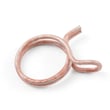
- Leaks at the front/door: door boot tear, boot not seated correctly, clamp not sealing
- Grinding or rattling during drain: coins, pins, or lint hitting the pump impeller
- Excess suds or long cycle times: too much detergent or non-HE detergent (this model is designed for HE)
When troubleshooting points to a failed component, these parts are listed for WFW8300SW04:
- Washer drain pump assembly WPW10730972 for no-drain, slow-drain, or loud drain noise
- Washer door boot WPW10111435 for leaks around the door opening
- Washer drive belt WP8540101 for spin issues tied to belt slip or wear
- Run Drain/Spin and listen: a loud grind often indicates debris in the pump.
- Confirm the drain hose is not kinked and the standpipe or laundry tub drain is flowing freely.
- Use HE detergent only and reduce the dose if you see heavy suds.
- Inspect the door boot folds for small items and check for tears.
| Symptom | Inspect first | Common fix (if failed) |
|---|---|---|
| Won’t drain | Drain hose and pump area | Drain pump assembly |
| Leaks at door | Door boot seating/tears | Door boot |
| Won’t spin | Load balance, then drain | Drain-related repair |
On the WFW8300SW04, a drain restriction can stop the washer from reaching high-speed spin. Fixing a “won’t drain” problem often resolves “won’t spin” complaints and reduces water left in clothing.
Last updated: January 2026
Does a Whirlpool front load washer have a filter to clean?
Yes. On Whirlpool model WFW8300SW04, the “filter” people refer to is the drain pump clean-out area (coin trap) that can collect lint and small items and cause slow draining or standing water. Follow the access and care steps in the WFW8300SW04 washer manual.
This model’s clean-out is associated with the drain pump area at the lower front of the washer. Depending on the cabinet design, you may access it through a small lower panel or by removing the lower toe panel.
- Check the lower front of the cabinet for an access door or panel
- If there is no door, plan to remove the lower toe panel
- Expect some water to drain out when the clean-out is opened
- If the washer is full of water, use Drain/Spin first if possible
- Unplug the washer or switch off the breaker
- Put towels down and use a shallow pan under the pump area
- Open the access panel or remove the toe panel
- Slowly loosen the clean-out cap to let water drain gradually
- Remove debris (coins, buttons, lint); wipe the sealing surface clean
- Reinstall the cap snugly (do not overtighten)
A clogged trap is common, but a jammed or failing pump can cause the same symptoms. For this model, a compatible replacement is the washer drain pump assembly WPW10730972.
| What you notice | Likely cause | What to check next |
|---|---|---|
| Humming but no drain | Pump jammed or failed | Pump clean-out and pump impeller area |
| Slow drain | Partial blockage or kink | Tub-to-pump hose routing, clamps, debris |
| Leak after cleaning | Cap not seated or seal dirty | Reseat cap, clean sealing surfaces |
Keeping the pump clean-out clear helps prevent mid-cycle stops, reduces strain on the drain system, and keeps cycle times more consistent.
Last updated: January 2026




