Owner’s manual
 Error Codes


What is the most common problem with a GE refrigerator?
Cooling problems are the most common issue we see in GE refrigerators like model GSS20GEWRBB. The root cause is often restricted airflow (dirty condenser coils, a stalled fan) or a defrost or control problem that lets frost build up and blocks cold air from circulating.
Most common symptoms (what you notice)
- Fresh food section warm but freezer still cold
- Freezer warming up over time
- Loud humming, rattling, or a fan noise that comes and goes
- Frost or ice buildup on the back wall inside the freezer
- Ice maker slows down or stops because temperatures are too warm
Quick checks that fix many “not cooling” complaints
- Confirm settings: Make sure the temperature controls were not accidentally changed.
- Clean airflow paths: Vacuum dust from the condenser area and make sure vents inside are not blocked by food packages.
- Check door sealing: A leaking gasket lets warm, humid air in and can cause frost and poor cooling.
- Listen for fans: You should typically hear a fan running at times; a failed fan can cause warm temperatures.
Parts that commonly cause cooling issues on this model
If basic cleaning and settings do not help, these parts are frequent suspects on GSS20GEWRBB:
| What fails | What it affects | Example part for this model |
|---|---|---|
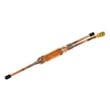
| Temperature sensing | Incorrect cooling cycles, temperature swings | Refrigerator temperature sensor WR55X10025 |
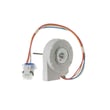
| Evaporator airflow | Warm fresh food section, weak cooling | Rca refrigerator evaporator fan motor WR60X10185 |
| Condenser airflow | Poor cooling, hot cabinet sides, compressor runs a lot | Refrigerator condenser fan WR60X10220 |
| Main controls | Intermittent cooling, odd behavior | Refrigerator electronic control board WR55X11072C |
Why it matters
A refrigerator that cannot move air correctly or cannot read temperature accurately will run longer, struggle to hold safe food temperatures, and can lead to frost buildup or ice maker problems. Catching airflow and sensor issues early often prevents bigger sealed-system stress.
Model-specific tip from the manual
For water and ice performance, the manual calls out correct water supply conditions and components (including proper tubing and pressure ranges). If cooling is weak and ice production is also poor, reviewing the water and care sections in the GSS20GEWRBB owner’s manual helps you rule out supply and maintenance issues.
Last updated: January 2026
What is the average lifespan of a GE refrigerator?
Most GE refrigerators, including the GE GSS20GEWRBB side-by-side, typically last 12 to 16 years, with 10 to 20 years being a common overall range. Regular care (good airflow, clean coils, stable temperatures) helps the sealed system and fans run less and last longer; see the GSS20GEWRBB owner’s manual.
Typical lifespan ranges (what to expect)
Lifespan depends most on how hard the refrigerator has to work (heat, dust, door openings) and whether key cooling and airflow parts stay in good shape.
| Refrigerator type | Typical lifespan | Notes |
|---|---|---|
| Basic top-freezer | 14 to 20 years | Fewer dispenser parts to wear out |
| Side-by-side (like GSS20GEWRBB) | 12 to 16 years | More airflow and dispenser components |
| French door | 10 to 15 years | More electronics and door seals to maintain |
Maintenance that extends life
These steps reduce compressor run time and prevent overheating and temperature swings.
- Vacuum dust from the condenser area and keep airflow clear behind the unit.
- Keep doors closing tightly; replace worn gaskets if you feel warm air leaks.
- Avoid overpacking; blocked vents cause warm spots and longer run times.
- Set reasonable temperatures (about 37°F fresh food and 0°F freezer).
- Let the refrigerator cool fully after plugging in or big load-ins; the manual notes cooling can take up to 24 hours.
Signs your refrigerator is wearing out
Some symptoms are normal, but frequent issues usually mean the cooling system is working too hard.
- Runs almost constantly or cycles very frequently
- Temperatures drift (food freezing in fresh food section or thawing in freezer)
- Excess frost or ice crystals from doors not sealing well
- Loud fan noise, rattling, or vibration that is new or worsening
- Water or ice dispenser problems (if equipped)
Parts that commonly affect cooling performance
If you are troubleshooting temperature swings or long run times on GSS20GEWRBB, these model-matched parts are often involved:
- Refrigerator temperature sensor WR55X10025 (helps the control “know” actual temperatures)
- Refrigerator condenser fan WR60X10220 (moves heat off the condenser)
- Rca refrigerator evaporator fan motor WR60X10185 (circulates cold air through the compartments)
Why it matters
A refrigerator that runs hotter, longer, or with poor airflow wears the compressor and fans faster, increases energy use, and can lead to food temperature problems. Keeping airflow clear and temperatures stable is the simplest way to get the longest service life.
Last updated: January 2026
Are GE side by side refrigerators good?
Yes. GE side-by-side refrigerators like model GSS20GEWRBB are a solid choice for everyday use because they typically offer dependable temperature control, convenient ice and water dispensing, and flexible storage with shelves and bins designed for easy organization. For model-specific features and care guidance, use the GSS20GEWRBB owner's manual.
What “good” usually means for a side-by-side refrigerator
A good side-by-side refrigerator keeps both compartments at stable temperatures, makes ice reliably, and stays easy to live with day to day.
Common strengths many owners value:
- Spacious, easy-to-organize fresh food and freezer sections
- Adjustable shelves and door bins for flexible storage
- Convenient ice and water dispenser access
- Bright interior lighting for visibility
- Straightforward controls and routine maintenance
What to watch for (typical tradeoffs)
Side-by-side designs can have a few common compromises that are normal for the category.
Potential downsides to consider:
- Narrower freezer shelf width than a bottom-freezer design (large pizza boxes can be tricky)
- Ice maker and dispenser can be louder than expected during harvest cycles
- Ice production can feel slow if doors are opened frequently or the freezer is set too warm
- Water flow can drop when the water filter is overdue for replacement
Quick performance checks you can do at home
If you are evaluating how well your GE side-by-side is performing, these checks give fast, practical answers.
- Confirm the freezer is holding about 0°F and the refrigerator about 37°F (use a thermometer)
- Listen for normal operating sounds (fans cycling, ice maker cycling)
- Make sure vents are not blocked by food packages
- Keep door gaskets clean and sealing evenly
- Replace the water filter about every 6 months, or sooner if flow drops
Parts that commonly affect “how good it feels”
When cooling, ice, or dispenser performance is off, these model-compatible parts are often involved:
| Symptom | Common area to check | Example model-compatible part |
|---|---|---|
| Warm temps or temp swings | Temperature sensing and airflow | Refrigerator temperature sensor WR55X10025 |
| Noisy or weak cooling airflow | Evaporator fan system | Rca refrigerator evaporator fan motor WR60X10185 |
| Ice door not sealing, frost around chute | Dispenser chute door | Refrigerator dispenser ice chute door kit WR17X11653 |
Why it matters
A “good” refrigerator is one that holds safe food temperatures consistently and fits your routine. On a side-by-side, airflow, door sealing, and filter maintenance have an outsized impact on day-to-day satisfaction (cooling consistency, ice output, and dispenser performance).
Last updated: January 2026