Owner’s manual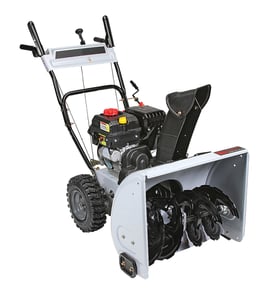




How to find snowblower model number?
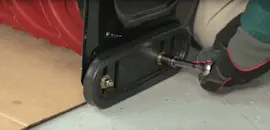
For a Craftsman snowblower like model 536881114, the model number is printed on the product identification label (often called the model tag). On many walk-behind snowblowers, that label is commonly located on the rear of the unit near the wheel area; confirm the exact location using the 536881114 operator's manual.
Where to look on the machine
Check these common model-tag locations first:
- Rear of the snowblower frame between or just above the wheels
- Back of the auger housing (the front bucket area)
- Side of the frame near the engine mounting plate
- Under the handle panel or on the lower handle support
- Near the axle area (close to the wheel lockout pin location)
What to write down (so you get the right parts)
Record the information exactly as shown on the label:
- Model number (for this unit: 536.881114 is shown in the manual)
- Serial number (if listed)
- Any type, spec, or code numbers (common on engine tags)
Model number vs. engine numbers
Your snowblower has two “identities”; both can matter when ordering parts.
| What you’re identifying | Where it’s used | Why it matters |
|---|---|---|
| Snowblower model number (example: 536881114) | Snowblower parts diagrams | Matches chassis parts like belts, chute parts, skids |
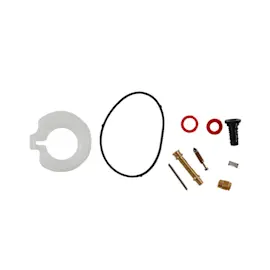
| Engine model/type/code | Engine manufacturer parts lookup | Matches carburetor, ignition, starter, gaskets |
Why it matters
We use the model number to match the correct parts list for your exact 30-inch, 11-hp Craftsman snowblower. Even small model differences can change belt sizes, cable routing, and chute hardware.
If you are troubleshooting drive issues after identifying the model, the ground drive belt is a common wear item; see the snowblower drive belt 1733324SM for the correct part listing for this model.
Last updated: January 2026
How many years should a snowblower last?
A gas snowblower like Craftsman model 536881114 typically lasts 15 to 20 years with normal residential use and consistent maintenance; heavy use, poor storage, and skipped tune-ups can shorten that. Following the maintenance and storage steps in the 536881114 owner's manual helps you reach the full lifespan.
Typical lifespan (what we see most often)
- 15 to 20 years: well-maintained gas snowblowers used seasonally
- 10 to 15 years: frequent use, rough conditions, or inconsistent maintenance
- 20+ years: lighter use plus excellent off-season storage and annual service
What shortens lifespan fastest
- Storing with untreated fuel (carburetor gumming and corrosion)
- Running with worn belts or incorrect belt tension
- Hitting solid objects and not replacing shear pins promptly
- Skipping lubrication and end-of-season cleaning
- Leaving the unit in a damp area where rust forms quickly
Maintenance that adds years
The manual emphasizes cleaning, lubricating, inspecting fasteners, and proper fuel handling for storage. Use this checklist:
- Clean the housing, auger area, and chute after storms
- Lubricate all specified points before storage
- Inspect belts and replace when glazed, cracked, or slipping
- Replace shear pins after jams to protect the gearbox
- Run the engine dry or treat fuel with stabilizer before long storage
Common wear parts to plan for
| Wear item | What you notice | Example part for this model |
|---|---|---|
| Ground drive belt | Unit stops moving or slips under load | Snowblower drive belt 1733324SM |
| Auger drive belt | Auger slows, squeals, or stops under snow load | Snowblower gas belt 585416MA |
| Shear pins | Auger stops after impact or jam | Kit shearbol 1501227MA |
Why it matters
A snowblower’s lifespan is mostly about preventing rust and fuel-system damage, and replacing normal-wear parts (belts, shear pins) before they cause bigger failures. Good storage habits alone can add multiple seasons of reliable starting and throwing performance.
Last updated: January 2026
Is it cheaper to repair or replace a snowblower?
For the Craftsman 536881114 30-inch 11-HP snow blower, it’s usually cheaper to repair when the problem is a normal wear item (belt, shear pins, tune-up parts) or a simple adjustment; replacement makes more sense when major drivetrain or engine repairs approach about half the cost of a comparable new unit.
Quick decision checklist
- Repair if the issue is slipping drive/auger, poor throwing due to adjustment, or routine maintenance.
- Repair if the machine is structurally solid (auger housing, frame, chute) with limited rust.
- Replace if the engine has low compression, severe oil burning, or repeated no-start problems after proper tune-up.
- Replace if the drivetrain needs major work (friction wheel system, axle/gear damage) and multiple parts are worn.
- Replace if you need features you do not have now (easier steering, improved controls) and the cost gap is small.
Typical repair costs vs. replacement value
Use this table to sanity-check your estimate before you buy parts.
| Scenario | What we usually do | Why |
|---|---|---|
| Auger won’t engage or slips | Inspect and adjust belt; replace belt if worn | Belts are common wear items and are straightforward repairs |
| Unit won’t move forward | Inspect friction wheel and linkage | A worn friction wheel is a common cause of “no drive” |
| Auger stops after hitting ice/rock | Replace shear pins and inspect auger | Shear pins are designed to fail to protect the gearbox |
| Engine runs rough | Tune-up (fresh fuel, plug, carb cleaning) | Often restores performance without major cost |
Model-specific tips that keep repair costs low
The 536881114 owner documentation calls out periodic adjustments and maintenance that prevent bigger failures, including checking for loose/damaged parts after each use and adjusting the auger drive belt early and during the season. Follow the maintenance intervals and adjustment steps in the 536881114 owner’s manual.
If you’re seeing drive or auger slip, these model-matched parts are common starting points:
- Snowblower drive belt 1733324SM (ground drive)
- Snowblower gas belt 585416MA (auger drive)
- Kit shearbol 1501227MA (shear pin set)
Why it matters
A well-maintained snowblower typically fails in predictable, low-cost areas first (belts, shear pins, adjustments). Fixing those early keeps the Craftsman 536881114 reliable and helps you avoid paying for secondary damage caused by running with slipping belts, loose fasteners, or worn drive components.
Last updated: January 2026
What is the most common problem with snow blowers?
Starting trouble is the most common issue we see with gas snow blowers like Craftsman model 536881114; it is usually caused by old fuel, a dirty carburetor, or spark plug ignition problems. Next most common are chute or auger clogs and auger or drive issues from worn belts or broken shear bolts.
Quick checklist (most common fixes)
- Drain old gas and refill with fresh, stabilized fuel.
- Check the spark plug condition and gap; replace if fouled.
- If it starts but surges or dies, clean the carburetor and confirm fuel flow.
- If snow is not discharging, clear packed snow from the auger housing and chute using the cleaning stick.
- If the auger stops after hitting ice or debris, replace the shear bolts.
- If the unit will not move or the auger slips, inspect belt wear and belt tension.
Safe way to clear a clog
Follow the shutdown sequence in the 536881114 owner's manual before you unclog the auger or discharge chute.
- Release the auger drive lever.
- Move the throttle to STOP.
- Remove the ignition key.
- Disconnect the spark plug wire and keep it away from the plug.
- Use the cleaning stick; never use your hands.
Symptom-to-cause guide
| Symptom | Most likely cause | First check |
|---|---|---|
| Won’t start | Fuel or ignition | Fresh gas, spark plug |
| Starts then dies | Fuel delivery | Carburetor, tank vent |
| Auger won’t turn | Shear bolts or auger belt | Shear bolts, belt condition |
| Poor drive or no movement | Drive belt or friction drive | Drive belt, idler tension |
Parts that commonly solve “auger or drive not working”
- Snowblower drive belt 1733324SM (ground drive slipping or no forward motion)
- Snowblower gas belt 585416MA (auger not engaging or slipping)
- Kit shearbol 1501227MA (auger stops after impact)
Why it matters
Most snowblower failures show up at the first storm. Fresh fuel, full-throttle operation with slower ground speed in deep snow, and routine inspection of belts and shear bolts prevent clogs and loss of drive.
Last updated: January 2026