Installation guide
 Owner’s manual
 Error Codes


What is the disadvantage of a side-by-side fridge?
A side-by-side refrigerator like the Frigidaire PHSC39EHSS2 trades wide, full-width shelving for two tall, narrow compartments. The biggest disadvantage is reduced space for wide items (pizza boxes, party platters, sheet pans), plus you often need more door-swing clearance to fully access bins and drawers.
- Narrow shelves: Wide containers may not fit without rearranging.
- Less flexible fresh-food layout: The refrigerator side can feel tighter for large produce drawers and wide deli trays.
- Door clearance needs: Both doors must open far enough to slide out drawers and baskets.
- More components to maintain: Many side-by-sides include a dispenser, ice maker, and water filtration, which adds upkeep.
- Organization can be trickier: Tall, narrow sections can hide items behind each other.
| Feature | Side-by-side | French door | Top freezer |
|---|---|---|---|
| Fits wide platters/pizza boxes | Fair to poor | Good | Good |
| Freezer access | Very convenient | Convenient | Convenient |
| Fresh-food visibility | Good | Excellent | Good |
| Typical door-swing space needed | Higher | Medium | Lower |
If you regularly store wide leftovers, meal-prep trays, or entertaining platters, shelf width becomes a daily frustration. If you value easy freezer access at eye level and like having both refrigerator and freezer within reach, a side-by-side can still be a strong fit.
- Plan for door opening space during installation and leveling; we cover clearances and positioning in the PHSC39EHSS2 owner's manual.
- Use stackable bins to prevent items from getting lost in tall, narrow shelves.
- Keep airflow clear and avoid overpacking so temperatures stay stable.
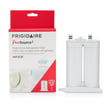
- If your model uses filtration, replace the filter on schedule; see water filter WF2CB.
Last updated: February 2026
Are side by side refrigerators good?
Yes, side-by-side refrigerators are a good choice when you want easy access to both fresh food and frozen food at eye level. For Frigidaire model PHSC39EHSS2, the main tradeoff is narrower shelves and freezer space, plus you need enough room for both doors to open fully.
Pros (why many owners like them):
- Fresh food and freezer compartments are both easy to reach without bending much
- Typically fit well in kitchens where you cannot accommodate a deep door swing from a bottom-freezer drawer
- Good organization for frequently used items because shelves are vertical and accessible
Cons (common drawbacks):
- Narrower compartment width can make it harder to store wide platters, pizza boxes, or large bins
- Freezer side can feel tight for bulky items
- Door clearance matters; you need space so both doors can open fully for best access to drawers and baskets
For PHSC39EHSS2, proper placement and clearance affect day-to-day usability as much as capacity.
- Allow about 3/8 inch clearance at the sides and top
- Allow about 1 inch clearance at the back
- Position the refrigerator so both doors can fully open for best use of drawers and freezer baskets
For the exact installation requirements and door-opening guidance, use the installation guide.
| Style | Best for | Typical downside |
|---|---|---|
| Side-by-side | Balanced access to fridge and freezer; narrow door swing | Narrow shelves for wide items |
| Top freezer | Budget-friendly; simple layout | Fresh food is lower, more bending |
| Bottom freezer | Fresh food at eye level; wide fridge shelves | Freezer drawer needs more pull-out space |
Choosing the right refrigerator style reduces daily frustration (door swing, storage shape, and access). If your kitchen is tight but you still want full-height freezer access, a side-by-side like the PHSC39EHSS2 is often the most practical layout.
Last updated: February 2026
What is the most reliable side-by-side refrigerator?
If you want the most reliable side-by-side refrigerator, we recommend prioritizing simple designs with proven temperature control and widely available parts. In real-world service history, GE and KitchenAid side-by-sides often rate well for long-term durability; basic Whirlpool side-by-sides also tend to hold up well when maintained.
Reliability is usually about consistent cooling, fewer ice maker and dispenser issues, and easy-to-service components.
- Stable fresh food and freezer temperatures
- Fewer water/ice system failures (valves, filters, ice maker)
- Strong door sealing and alignment (prevents moisture and frost)
- Good airflow (evaporator fan performance)
- Parts availability for common wear items
If you already own a Frigidaire PHSC39EHSS2, the most reliable path is preventive maintenance and quick fixes for the systems that commonly cause downtime: water filtration, inlet valve flow, door sealing, and airflow.
Common reliability “hot spots” you can maintain:
- Replace the water filter on schedule (helps protect the valve and ice maker): Frigidaire puresource2 refrigerator water filter WF2CB
- Keep doors sealing and closing correctly; the manual notes proper leveling helps door seal and closing (the cabinet should be slightly tilted back): owner's manual
- If water dispensing or ice production gets weak, the inlet valve is a frequent culprit: refrigerator water inlet valve assembly 242252702
| What to look for | Best choice for reliability | What to avoid |
|---|---|---|
| Features | Fewer electronics, fewer dispenser “extras” | Complex dispenser features you will not use |
| Ice maker | Simple, proven design | Chronic freezing or leaking history |
| Serviceability | Common parts, easy access | Hard-to-source boards and assemblies |
| Ownership habits | Regular filter changes, clean coils, good leveling | Ignoring small leaks or door seal gaps |
Side-by-sides concentrate a lot of reliability risk in the water and ice system. A clogged filter, air in the water line, or a weak inlet valve can look like a “bad refrigerator” even when the cooling system is fine.
Last updated: February 2026
What fridge to stay away from?
We recommend staying away from any refrigerator that has a long history of repeat failures in the features you rely on most (especially the ice maker and water system), or models that are hard to service and maintain. For a Frigidaire PHSC39EHSS2 side-by-side, choosing simpler, well-supported designs and keeping up with basic maintenance typically prevents the most common headaches; see the owner's manual for the setup and care steps that protect performance.
- Overly complex feature sets you will not use (extra electronics add more failure points).
- Models with a reputation for chronic ice maker or dispenser issues.
- Units that require non-standard filters or hard-to-find parts.
- Designs with poor airflow clearance needs for your space (tight installs run hotter and longer).
- Any refrigerator that cannot be installed level or cannot seal the doors consistently.
A side-by-side like the PHSC39EHSS2 tends to be most dependable when the core systems are simple and maintained: stable power, good airflow, clean condenser, and a healthy water supply.
- Dedicated grounded outlet (no extension cords or switched outlets)
- Correct clearances for airflow (typical guidance: 3/8 inch sides and top, 1 inch back)
- Doors that close and seal easily (leveling matters)
- Easy-to-replace consumables like the Frigidaire puresource2 refrigerator water filter WF2CB
| Signal | Usually means | Better choice |
|---|---|---|
| Lots of electronics you do not need | More parts that can fail | Basic controls, fewer add-ons |
| Frequent ice/water complaints | Water system sensitivity | Proven dispenser design, easy filter access |
| Tight installation space | Heat buildup, longer run time | Room for airflow and service access |
| Poor door sealing | Frost, temp swings, high energy use | Solid gasket seal and proper leveling |
Most “bad fridge” experiences come from three areas: temperature instability, water/ice problems, and long run times. The PHSC39EHSS2 manual highlights basics that directly affect these, including using a dedicated 115V outlet, keeping the unit level (slight tilt back helps door closing), and maintaining airflow clearances.
Last updated: February 2026
What is the most common problem with a Frigidaire refrigerator?
The most common problem we see on Frigidaire refrigerators, including model PHSC39EHSS2, is a cooling complaint (temperatures too warm). The top causes are warm air getting in from frequent door openings or a door not sealing, plus poor heat removal from dirty condenser coils. Use the PHSC39EHSS2 owner's manual troubleshooting charts to match your symptom to the fastest fix.
- Fresh food section is warm
- Freezer and fresh food are both too warm
- Refrigerator runs too long or seems to run constantly
- Moisture or sweating around the doors
- Ice maker output drops when temperatures rise
- Check the doors: make sure both doors close fully and the gaskets seal all the way around.
- Clean the condenser area: remove dust and pet hair so the unit can shed heat properly.
- Open the doors less: warm air entering the cabinet is a leading cause of warm temperatures.
- Reset temperatures correctly: adjust controls in small steps.
- Wait for stabilization: after a control change, allow 24 hours for temperatures to stabilize.
If cleaning and door sealing do not restore normal temperatures, these model-compatible parts are often involved:
| System | What it affects | Example model-compatible part |
|---|---|---|
| Defrost system | Frost buildup, blocked airflow, warming | Refrigerator defrost bi-metal thermostat 5303918214 |
| Temperature sensing | Erratic temperatures, short cycling | Refrigerator temperature sensor 240597220 |
| Water supply (ice/water) | Small cubes, slow fill, no ice | Refrigerator water inlet valve assembly 242252702 |
Warm-temperature problems are usually airflow and heat-removal issues first (doors, coils, vents). Correcting those early keeps food at safe temperatures and prevents the refrigerator from running excessively.
Last updated: February 2026