


Where is the model number on a tiller?
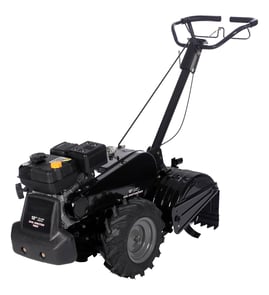
On a Craftsman gas rear-tine tiller like model 917296580, the model number is printed on a product ID label (a sticker or metal tag) attached to the tiller frame. It is most often found near the tine shield/guard, on or near the engine area, or on the front of the unit.
Common places to check on model 917296580
- Along the tine guard or tine shield (rear area near the tines)
- On the main frame rail near the engine mount
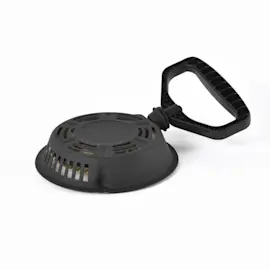
- Near the recoil starter or engine shroud area
- On the front frame or front support bracket
- Near the handlebar base where the handles bolt to the frame
What the label looks like (and what to write down)
The label usually includes multiple identifiers. We recommend recording these exactly:
- Model number (for example, 917296580)
- Serial number (helps match production runs)
- Engine model/type/code (useful for engine-specific parts)
| Item on label | What it’s used for | Example format |
|---|---|---|
| Model number | Matching tiller parts diagrams and parts | 917296580 |
| Serial number | Narrowing down exact build/version | Varies |
| Engine numbers | Ordering carburetor, ignition, and fuel parts | Varies |
Tips if the label is missing or unreadable
- Clean the suspected label area with a damp rag and mild detergent; dirt and oil often hide the print.
- Use a flashlight at a low angle; embossed tags and faded ink show up better.
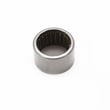
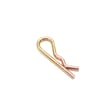
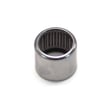
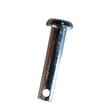
- If the tag is damaged, match parts by comparing your hardware to known parts used on this model, such as the spring retainer 532003146 or needle brg 532004895.
Why it matters
Using the correct model number prevents ordering the wrong Craftsman tiller parts (tines, belts, seals, bearings, and controls) and speeds up troubleshooting when fit and compatibility vary by production run.
Last updated: January 2026
What is the back of a tiller called?
On a Craftsman gas rear-tine tiller model 917296580, the “back” is typically referred to as the rear of the machine; the working end at the back is the tine assembly (rear tines) and the rear structure is often called the rear frame or rear housing, depending on the diagram.
Common names you will hear (and what they mean)
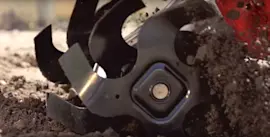
- Rear tines / tine assembly: the rotating blades at the back that dig and mix soil.
- Tine shaft / tine axle: the shaft the tines mount to.
- Rear frame: the structural section supporting the tine area.
- Transmission / gearcase housing: the drive housing that powers the tines (often located near the tine area on rear-tine units).
- Drag stake (depth stake): the adjustable bar behind the tines that controls digging depth.
Quick identification guide
Use this table to match the term to what you are looking at:
| If you mean... | Common name | What it does |
|---|---|---|
| The spinning blades in back | Rear tines / tine assembly | Breaks up soil and pulls the tiller through the ground |
| The adjustable bar that sets depth | Drag stake (depth stake) | Controls how deep the tines dig |
| The metal structure around the tines | Rear frame / rear housing | Supports and protects the tine area |
| The powered housing that turns the tines | Transmission / gearcase | Transfers engine power to the tines |
Why the wording matters when ordering parts
Parts diagrams and listings usually group items by assembly name. If you search using the right term (for example, “tine shaft” vs. “rear frame”), you will land on the correct section faster and avoid ordering the wrong hardware.
A part example from this model
If you are repairing a linkage or retaining hardware near the rear assemblies, a small retaining clip may be listed as a spring retainer, such as the spring retainer 532003146.
Last updated: January 2026
Are rear tine tillers better?
Yes, rear-tine tillers are better for most heavy-duty garden work because the tines are behind the wheels, which improves traction and control. For a Craftsman gas rear-tine tiller like model 917296580, that design is especially helpful when breaking new ground or working rocky, root-filled soil.
When a rear-tine tiller is the better choice
Rear-tine models typically outperform front-tine tillers when you need stability and consistent digging depth.
- Breaking new ground (hard-packed soil, sod, or previously untilled areas)
- Working soil with rocks, roots, or heavy clay
- Tilling larger garden plots where straight tracking matters
- Mixing in compost or amendments evenly across a wide area
- Reducing operator fatigue because the machine pulls forward more predictably
Rear-tine vs front-tine: quick comparison
| Feature | Rear-tine tiller | Front-tine tiller |
|---|---|---|
| Best for | New ground, tough soil | Already-worked garden beds |
| Traction | Strong (wheels lead, tines follow) | Lighter traction, more “pulling” |
| Control | More stable, straighter passes | More effort to keep straight |
| Typical size | Medium to large | Small to medium |
What “better” depends on
Rear-tine tillers are not automatically the best fit for every yard. They are usually heavier and take more storage space, so they shine when you actually need that weight and traction.
- Garden size: Rear-tine is ideal for medium to large plots.
- Soil condition: The tougher the soil, the more rear-tine helps.
- Maneuverability: Tight spaces can favor smaller front-tine units.
- Maintenance: Keeping driveline and tine hardware tight reduces vibration and wear.
Why it matters
Choosing the right tine layout affects how deeply you can till, how straight the machine tracks, and how much effort it takes to control it. For demanding soil conditions, rear-tine designs usually deliver faster progress with less fighting the machine.
If you are refreshing worn hardware during maintenance, match parts by model and diagram; for example, a retaining clip like the spring retainer 532003146 is commonly used to secure pins and linkages so they do not work loose during operation.
Last updated: January 2026
What are the common problems with lawn tillers?
Common problems on a Craftsman gas rear-tine tiller like model 917296580 include hard starting or no-start, poor power under load, tine or wheel drive issues, and excessive vibration. Most causes trace back to fuel quality, ignition, air flow, or worn drive hardware.
Most common symptoms and likely causes
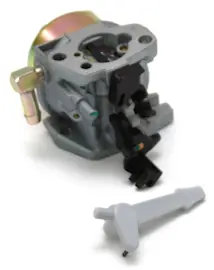
- Won’t start / starts then dies: stale fuel, clogged fuel cap vent, dirty carburetor jets, fouled spark plug, plugged air filter
- Runs rough / surges: partially clogged carburetor, air leak at intake, water in fuel
- Low power while tilling: dirty air filter, throttle linkage out of adjustment, belt slipping, tines bound by debris
- Tines won’t turn or drive slips: worn belt, loose idler/tensioner, damaged linkage, worn bearings
- Grinding, squealing, or wobble: worn bearing, bent shaft, loose fasteners, missing retainers
Quick checks we recommend (fast and safe)
- Fuel: Drain old gas and refill with fresh fuel; clean the tank screen if equipped.
- Spark: Inspect and replace the spark plug if it’s black, wet, or heavily worn.
- Air: Clean or replace the air filter; a restricted filter can mimic carburetor problems.
- Drive: Check belt condition and tension; remove wrapped weeds or twine from tine shafts.
- Hardware: Tighten visible fasteners and inspect clips/retainers that keep linkages in place.
Parts that commonly wear on rear-tine tillers
If you’re hearing noise, feeling wobble, or seeing looseness at a pivot or shaft, these parts are frequent culprits:
| Area | What fails | What you notice |
|---|---|---|
| Linkage/pivot points | Retainers and clips | Slop, inconsistent engagement |
| Tine/drive shafts | Bearings | Grinding, heat, wobble |
For this model, examples of commonly replaced hardware include the spring retainer 532003146 and rotating support parts like the needle brg 532004895.
Why it matters
A tiller that runs lean from restricted fuel or air can overheat and lose power; a slipping drive or worn bearing can quickly damage shafts, pulleys, and housings. Catching the root cause early usually keeps the repair small and inexpensive.
Last updated: January 2026