Installation guide
 Owner’s manual
 Error Codes


What is the most common problem with a KitchenAid dishwasher?
The most common KitchenAid dishwasher problems are poor cleaning (often from blocked spray paths or wash system issues) and “won’t start” or “won’t drain” symptoms tied to power, door latching, or the drain system. For KitchenAid KUDS40FVSS3, our first checks come straight from the KUDS40FVSS3 owner’s manual.
Most common symptoms we see (and what usually causes them)
- Dishes still dirty: spray arm holes blocked, loading blocking spray, or wash system not circulating well.
- Dishwasher won’t start: door not fully latched, cycle not selected, or START/RESUME needs to be pressed again.
- Dishwasher won’t drain: drain path restriction, drain hose issue, or a failing drain pump.
- Stops mid-cycle: normal pauses can happen; if START/RESUME is blinking, it typically needs to be pressed.
- No power: a house breaker or fuse may have tripped.
Quick checks for KUDS40FVSS3 (in the right order)
- Press START/RESUME if the light is blinking (the dishwasher can pause during a cycle).
- Close the door firmly and make sure it is closed and latched.
- Confirm you actually selected a cycle.
- Check the home circuit breaker or fuse.
- If the unit still will not run and lights other than START/RESUME are blinking, service is typically needed.
Parts that commonly fix “won’t drain” complaints
| Symptom | What to inspect first | Common replacement part for this model |
|---|---|---|
| Water left in tub | Kinked/clogged drain path | Dishwasher drain hose 8269144A |
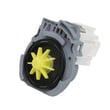
| Hums but won’t drain | Pump impeller jammed or worn | Dishwasher drain pump WPW10348269 |
| Intermittent drain | Partial blockage, weak pump | Dishwasher drain pump WPW10348269 |
Why it matters
A dishwasher that is not draining or not circulating water can leave food soil behind, trigger cycle interruptions, and increase odor and standing-water issues. Starting with the manual’s troubleshooting steps prevents unnecessary part replacement.
Last updated: January 2026
What's the average lifespan of a KitchenAid dishwasher?
Most KitchenAid dishwashers, including the KitchenAid KUDS40FVSS3 undercounter dishwasher, typically last 10 to 14 years with normal household use. Lifespan depends most on water quality, correct installation, and routine care outlined in the KUDS40FVSS3 owner's manual.
What affects dishwasher lifespan the most
A dishwasher usually wears out from heat, moisture, and load-related stress on the wash system, door system, and controls.
- Hard water and mineral buildup (can reduce cleaning and strain the pump and heater)
- Heavy daily use (more cycles equals more wear on the motor, seals, and racks)
- Poor draining or standing water (can stress the drain pump and cause odors)
- Improper installation (drain loop, water supply, and electrical setup matter)
- Skipped maintenance (filters, spray arms, and tub cleaning)
Maintenance habits that help you reach the high end (or beyond)
We recommend these simple habits to extend the service life of a KitchenAid dishwasher like model KUDS40FVSS3:
- Use rinse aid consistently for better drying and to help control hard-water deposits
- Keep the spray arms clear of debris and avoid blocking rotation when loading
- Run hot water at the sink briefly before starting a cycle (helps cleaning performance)
- Clean the tub periodically, especially if you have iron in the water or frequent tomato-based soils
- Address slow draining quickly (a restricted hose or weak pump can shorten component life)
Quick “lifespan reality check” by symptom
| What you notice | What it often points to | What to check first |
|---|---|---|
| Dishes not getting clean | Wash system performance issue | Loading, spray arm blockage, water temperature |
| Water left in bottom | Drain restriction or drain pump issue | Drain hose routing, disposer knockout, pump |
| Door drops or won’t stay up | Door balance system wear | Hinge springs/links |
| No power or dead panel | Electrical protection or control issue | House breaker, fuse, door latch |
Why it matters
Knowing the typical 10 to 14 year lifespan helps you decide whether to repair or replace. If your KUDS40FVSS3 is near that range and needs a major repair (motor, control board, sump), comparing repair cost to replacement value usually makes the decision clearer.
Last updated: January 2026
What is the difference between express wash and regular wash on a dishwasher?
On the KitchenAid KUDS40FVSS3 dishwasher, Express (Quick) Wash is meant to finish faster for lightly soiled dishes, while Regular (Normal) Wash runs longer to handle everyday soil and deliver more consistent cleaning and drying. Cycle time can also increase when certain options are selected (sometimes past 3.5 hours). See the KUDS40FVSS3 owner's manual for the exact cycle names and option effects.
What changes between Express and Regular
Express and Regular differ mainly in how much time and wash action they use.
- Cycle time: Express is shorter; Regular is longer (your dishwasher commonly averages 2 to 3 hours per load on many cycles).
- Soil handling: Express targets light soil; Regular targets everyday soil.
- Drying results: Regular typically dries better, especially when you use rinse aid.
- Energy and water use: Express often uses less overall time; Regular may run longer to improve cleaning.
- Option impact: Heated options and other selections can extend either cycle.
Which cycle should we use?
Use this quick guide to match the cycle to the load.
| Load type | Best choice | Why |
|---|---|---|
| Lightly soiled plates, glasses | Express wash | Faster turnaround |
| Mixed, everyday dishes | Regular (Normal) wash | More wash time for better results |
| Stuck-on food, heavy soil | Regular plus stronger options | More time and heat help break down soil |
Tips that improve results on either cycle
These settings and habits matter more on energy-efficient dishwashers.
- Use rinse aid for better drying and to help control hard-water deposits.
- Load so spray arms can rotate freely; avoid blocking the detergent dispenser.
- Use the right detergent amount for your water hardness.
- Expect longer run times on many cycles because low-energy motors wash longer.
- If the Start/Resume light flashes, close the door within 3 seconds after pressing Start/Resume.
Why it matters
Choosing Express for heavy soil often leaves residue because the cycle is designed for speed. Choosing Regular for light soil can be unnecessary time. Matching the cycle to the load helps cleaning, drying, and overall efficiency.
Last updated: January 2026